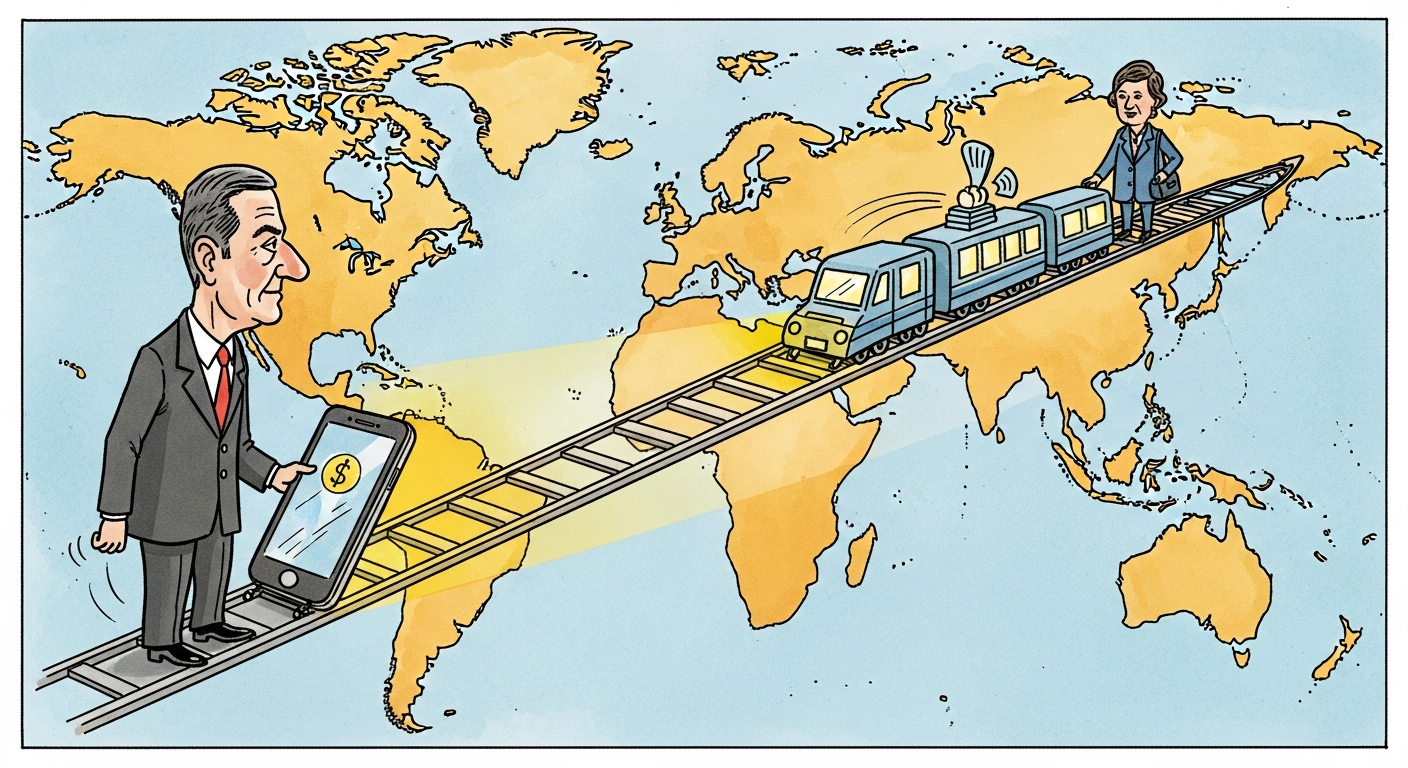
The ninth country signed onto the UPI cross-border network this week, and the milestone is not the flag but what its joining implies. A rail that partners now adopt because other partners are already on it is a rail that has escaped the gravity of the pilot phase — the hardest thing any network does.
The corridors are chosen where the rail does the most work: the remittance routes that carry money home, the tourism routes that let travellers pay as they do at home, the trade routes where real-time settlement beats the correspondent-banking delay. The collapse in remittance costs on the flagship corridors is the proof of value that makes each new integration easier to negotiate.
India's larger play is to export the model, not just the rail. A payment layer that is a public good rather than a private toll road is a distinctive thing to have built, and every country whose plumbing bends toward interoperable, publicly-owned standards is soft power of a concrete kind.
The data-protection regime maturing at home is part of what makes it credible abroad. The first adjudication order that turned the privacy statute into enforced practice is exactly what lets a foreign regulator trust the rail with its citizens' transaction data — the two stories more connected than they appear.
The discipline is not over-claiming. Nine corridors is infrastructure, but early infrastructure; the number that matters next is not how many flags are on the map but how much value flows across the corridors already lit. Coverage is easy to announce; usage is what compounds. On our tech desk.