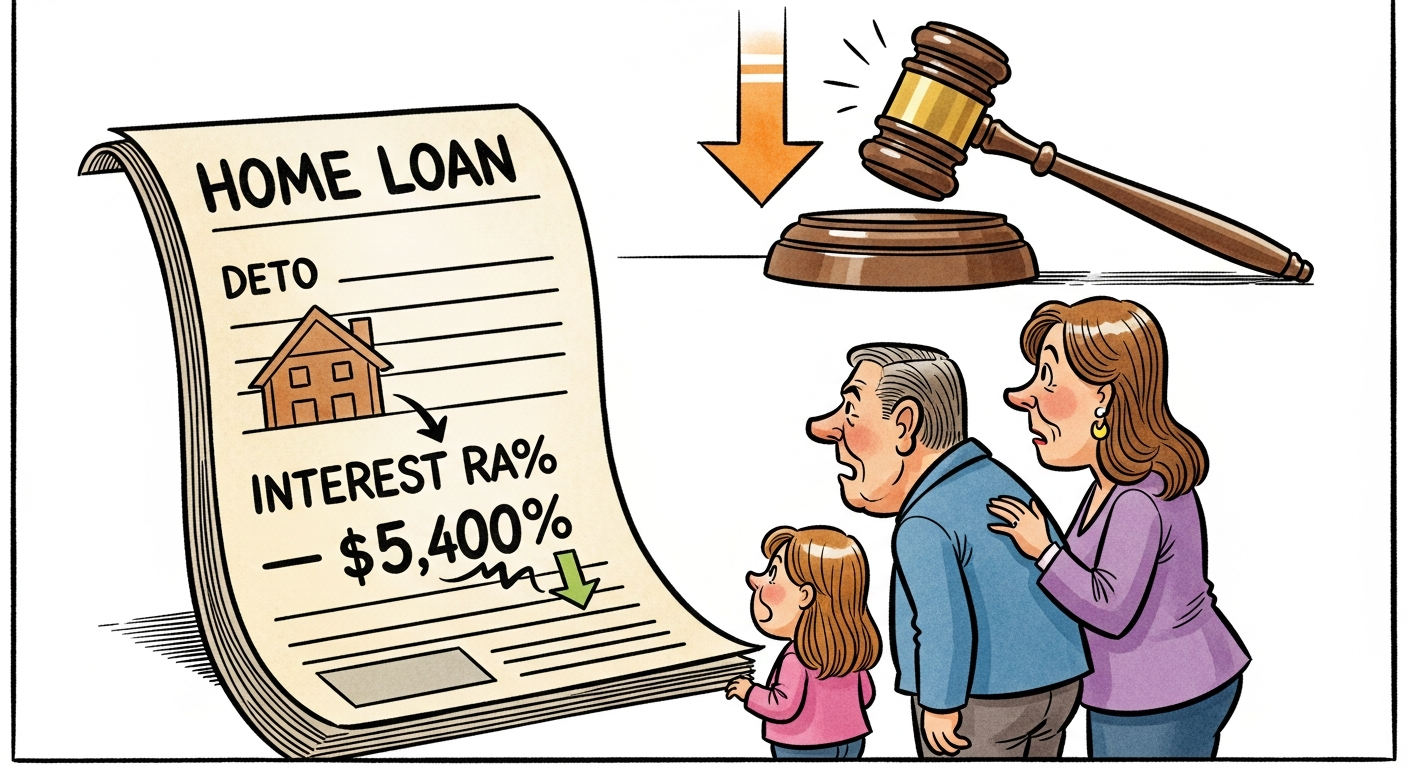
The Reserve Bank cut the policy rate by 25 basis points. Here is the part that actually concerns you: whether it reaches your loan, how much it saves, and how long it takes.
Start with why this cut is likelier to reach you than past ones. The usual failure mode is that banks pocket the reduction to defend their margins when their own funding costs are still rising. This time deposit costs have already peaked, so the cut has a clear path to the borrower — the bank results said exactly that before the committee even met.
If your home loan is on an external benchmark — as most new floating-rate loans now are — the transmission is close to mechanical and arrives within a reset cycle. Older loans on internal benchmarks move slower and less completely, which is the single best reason to check which one you are on.
What you do with it matters more than the number. Most borrowers take the lower EMI; the sharper move is to keep paying the old EMI and let the extra ride into principal, which quietly removes years of interest from the back of the loan.
The bigger picture is why the cut happened at all: inflation soft, credit strong, and a currency cushioned enough by steady inflows that the bank could ease into strength rather than defend a weak rupee. The committee also left the door open to more, which the bond market read as a cycle rather than a gesture.
Check your reset date. That is where this becomes real money. More on our economy desk.