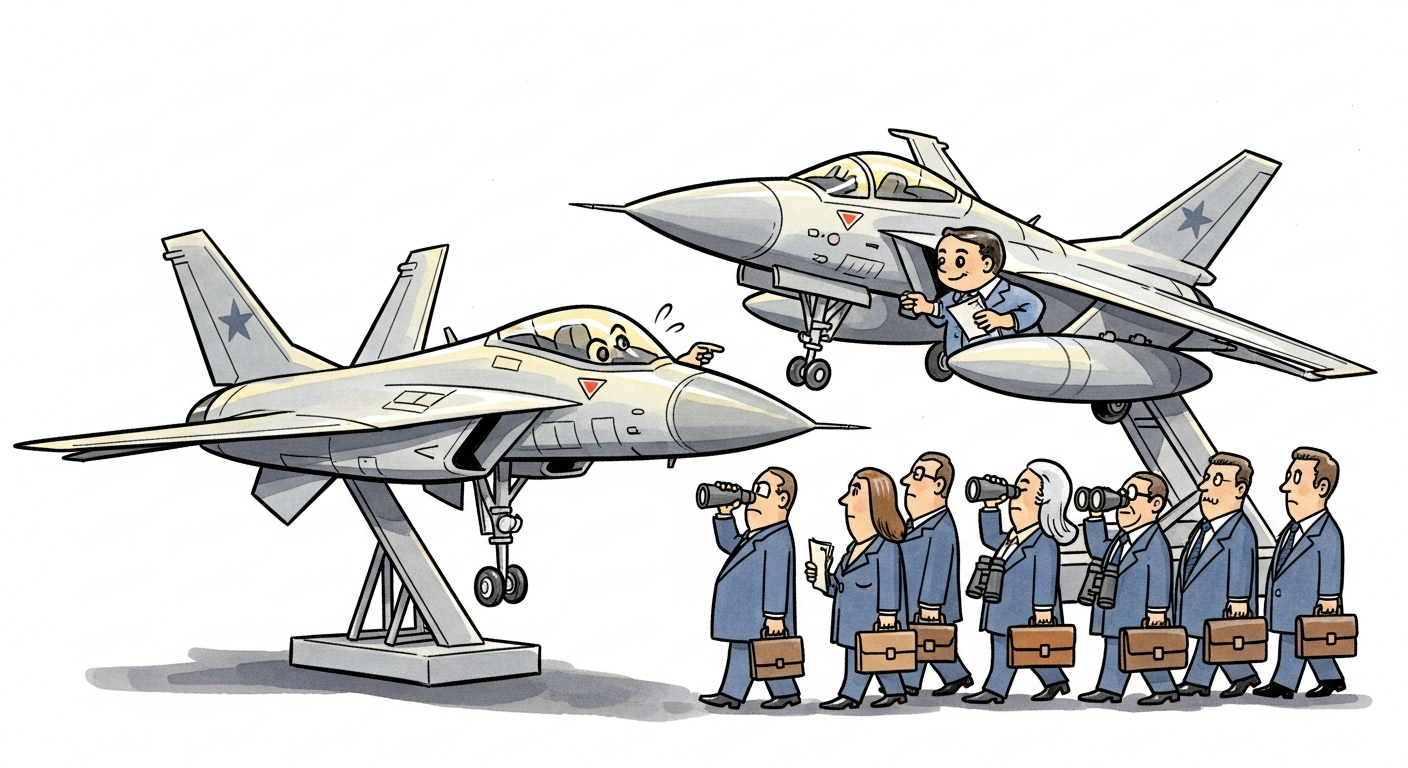
An export platform is built on evidence, and the strongest evidence is that the manufacturer's own air force flies the aircraft. Weeks after the third Mk1A squadron stood up, that logic produced its first formal step: a Southeast Asian air force has requested an official briefing on the Tejas.
The sequence — domestic induction, then foreign interest — is exactly how a credible export line is grown. A customer buying a combat aircraft is buying confidence in delivery and support as much as in the airframe, and a manufacturer inducting the jet into its own fleet at pace is offering the only proof that counts.
The pipeline extends up the roadmap. Every milestone on the Mk2, whose engine-integration review has cleared, extends the same evidence to the next-generation platform, and the order book going global is where these inquiries are meant to land. The near neighbourhood and genuine strategic partners are the natural first customers.
The constraint is delivery, and it deserves honest billing. An order book is a promise, and a supplier that cannot deliver on time converts a strategic relationship into a grievance faster than any adversary could. The recovered Mk2 timeline matters to the export story precisely because a reputation for delivery is the hardest asset an arms exporter builds.
A briefing is not a contract, and the distance between them is measured in negotiations, offsets and financing India is still learning to offer. But the line has become the pitch, which is the transition every serious defence exporter must make. The order book continues on our defence desk.



