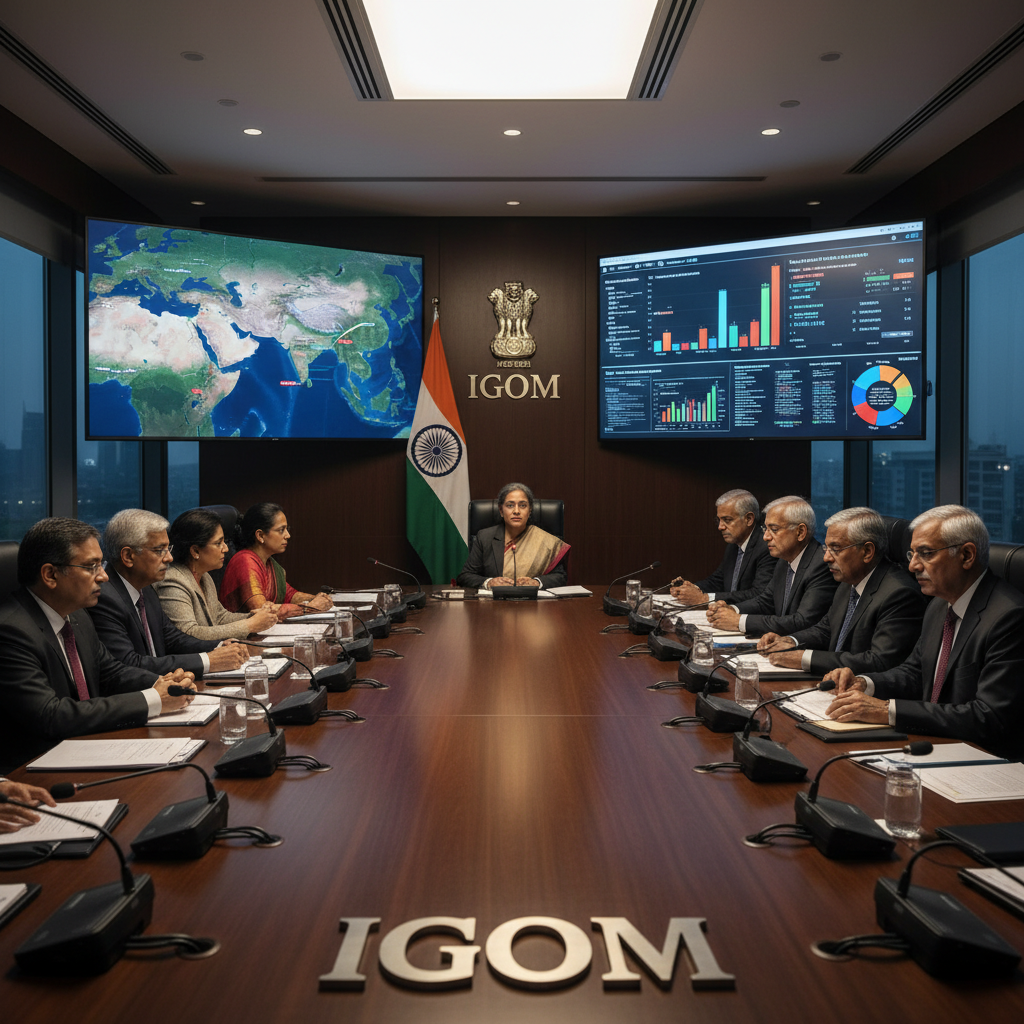
New Delhi is closely monitoring the escalating tensions in West Asia, a region of critical importance to India's energy security, economic interests, and diaspora population. In a move reflecting the government's heightened concern, the Raksha Mantri (Defense Minister) recently chaired the inaugural meeting of the Inter-Governmental Organisation Meeting (IGoM) to comprehensively review the situation and evaluate its potential ramifications for India.
The meeting served as a platform for senior officials from various ministries and departments to share their assessments and perspectives on the unfolding events. Discussions centered on the multifaceted impact of the ongoing conflicts and instability, encompassing areas such as energy supplies, trade routes, and the safety and well-being of Indian citizens residing in the region. The IGoM also explored potential mitigating measures to safeguard India's interests in the face of these challenges.
KEY FACTS
- The meeting was chaired by the Raksha Mantri (Defense Minister).
- The IGoM reviewed the impact of the West Asia situation on India.
- Mitigating measures were discussed during the meeting.
- The meeting highlights the government's concern over the evolving situation.
West Asia has historically been a volatile region, marked by political instability, sectarian conflicts, and geopolitical rivalries. The current situation is further complicated by the involvement of multiple state and non-state actors, each with their own agendas and interests. This complex web of alliances and enmities makes it difficult to predict the future trajectory of the region and the potential consequences for global security.
India's relationship with West Asia is deeply rooted in history and culture. For centuries, trade and cultural exchange have flourished between the two regions, fostering strong bonds of friendship and cooperation. Today, West Asia is a vital source of energy for India, accounting for a significant portion of its oil and gas imports. The region is also home to a large Indian diaspora, whose remittances contribute significantly to the Indian economy.
The ongoing conflicts in West Asia pose a number of challenges for India. The disruption of energy supplies could lead to higher prices and fuel shortages, impacting the Indian economy and consumers. The instability in the region could also threaten the safety and security of Indian citizens residing there, requiring the government to undertake costly and complex evacuation operations. Furthermore, the rise of extremist groups in the region could pose a threat to India's internal security.
Given these challenges, India has adopted a multi-pronged approach to address the situation in West Asia. On the diplomatic front, India has been actively engaged with regional and international actors to promote dialogue and peaceful resolution of conflicts. India has also been providing humanitarian assistance to countries affected by the conflicts, demonstrating its commitment to alleviating suffering and promoting stability.
In addition to its diplomatic and humanitarian efforts, India has also been strengthening its security cooperation with countries in the region. This includes joint military exercises, intelligence sharing, and capacity building programs. The aim is to enhance India's ability to respond to potential threats and protect its interests in the region.
The IGoM meeting reflects India's proactive approach to managing the challenges posed by the evolving situation in West Asia. By bringing together key stakeholders from across the government, the meeting provides a platform for coordinated decision-making and effective implementation of policies. The focus on mitigating measures underscores India's determination to safeguard its interests and protect its citizens in the face of regional instability.
The situation in West Asia is constantly evolving, and India must remain vigilant and adaptable in its response. The IGoM meeting is an important step in this direction, but it is only one part of a larger effort to promote peace and stability in the region. India will need to continue to work with its partners and allies to address the root causes of conflict and build a more secure and prosperous future for all.
By The Numbers
The meeting also likely touched upon the strategic implications of the ongoing conflicts for India's maritime security. The Arabian Sea, a vital waterway for global trade and energy flows, is increasingly becoming a theater of geopolitical competition. India has a strong interest in maintaining freedom of navigation and ensuring the security of its maritime trade routes. The situation in West Asia could potentially disrupt these routes and pose a threat to India's maritime interests.
Furthermore, the rise of non-state actors in the region, such as terrorist groups and armed militias, poses a significant challenge to regional security. These groups often operate across borders and engage in illicit activities such as arms trafficking and drug smuggling. India has been working with its partners to counter these threats and prevent the spread of extremism.
The government's concern is understandable given the interconnectedness of the global economy and the potential for regional conflicts to have far-reaching consequences. Disruptions to supply chains, increased energy prices, and heightened security risks can all have a negative impact on India's economic growth and development.
The IGoM mechanism, while not detailed in the provided information, likely serves as a crucial coordinating body, ensuring that different government agencies are working in concert to address the challenges posed by the West Asia situation. This coordinated approach is essential for effective policymaking and implementation.
India's historical ties with the region also necessitate a nuanced and balanced approach. Maintaining good relations with all key players in West Asia is crucial for protecting India's interests and promoting regional stability. This requires careful diplomacy and a willingness to engage in dialogue with all parties.
The focus on mitigating measures suggests that the government is not only concerned about the immediate impact of the conflicts but also about the long-term consequences. This includes developing contingency plans for dealing with potential disruptions to energy supplies, ensuring the safety of Indian citizens abroad, and strengthening India's security posture.
"according to official sources, the meeting assessed the impact of the ongoing conflict on India." — PIB
The absence of specific details about the IGoM's composition and mandate raises questions about its effectiveness and accountability. Greater transparency and public disclosure of information about the IGoM would enhance its credibility and build public trust.
The situation in West Asia is a complex and multifaceted challenge that requires a comprehensive and coordinated response. India's proactive engagement and commitment to promoting peace and stability in the region are essential for protecting its interests and ensuring its long-term security.
The IGoM meeting underscores the importance of continuous monitoring and assessment of the evolving situation in West Asia. This will enable India to adapt its policies and strategies to meet the changing challenges and opportunities in the region.
The meeting, convened by the Defense Minister, signals the high level of importance the government places on the West Asia situation. The involvement of the Defense Minister suggests a focus not only on the economic and diplomatic aspects but also on the security implications of the regional instability.
The discussions likely involved assessments of potential threats to India's national security, including the possibility of terrorist attacks or the disruption of critical infrastructure. The focus on mitigating measures indicates a proactive approach to addressing these threats and minimizing their potential impact.
The IGoM meeting represents a significant step in India's efforts to navigate the complex and challenging landscape of West Asia. By bringing together key stakeholders and fostering coordinated decision-making, the meeting enhances India's ability to protect its interests and promote regional stability.