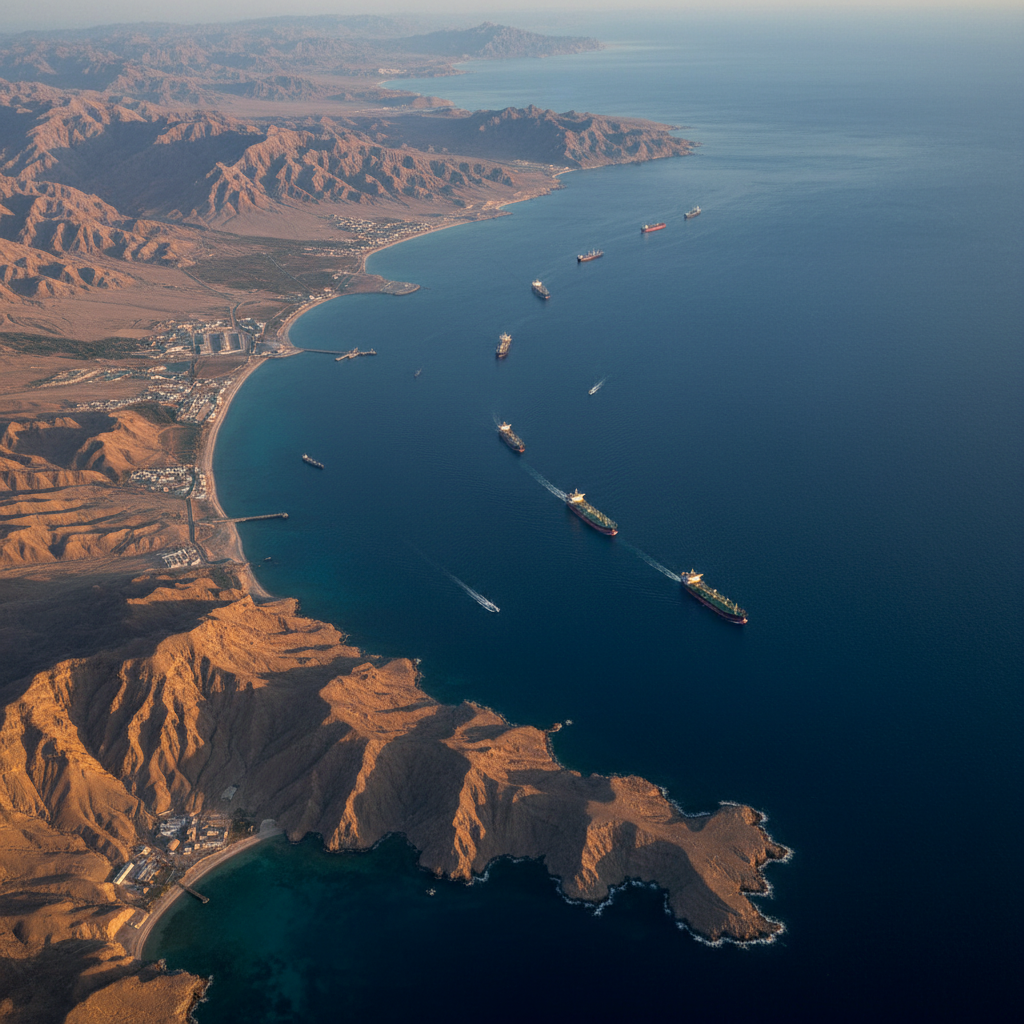
Iran has issued a stark warning that it will completely close the Strait of Hormuz if the United States launches attacks on its power plants, marking a significant escalation in tensions between Tehran and Washington. The threat underscores the volatile nature of the relationship between the two nations and raises concerns about potential disruptions to global energy markets.
The Strait of Hormuz serves as one of the world's most critical maritime chokepoints, facilitating the passage of oil tankers carrying crude from the Persian Gulf to international markets. Any closure of this vital waterway would reverberate through global energy supplies and send shockwaves through the international economy.
KEY FACTS
- The Strait of Hormuz is approximately 21 miles wide at its narrowest point
- About 21% of global petroleum liquids pass through the strait annually
- Iran has threatened strait closure during previous regional tensions
- The waterway connects the Persian Gulf with the Gulf of Oman and Arabian Sea
- Multiple oil-producing nations rely on the strait for crude exports
According to Global News, this latest threat represents a continuation of Iran's strategy of leveraging its geographic position to deter potential military action. The Islamic Republic has historically used the threat of closing the strait as a diplomatic and strategic tool during periods of heightened tensions with Western powers, particularly the United States.
The implications of such a closure would extend far beyond regional boundaries. Energy analysts note that any sustained blockade of the strait would force oil shipments to take much longer and more expensive routes, potentially driving up global energy prices and affecting economies worldwide. The threat comes at a time when global energy markets remain sensitive to geopolitical developments.
By The Numbers
Iran's power infrastructure has been a recurring point of vulnerability in the broader context of regional security concerns. The country's electrical grid and energy facilities represent critical components of its domestic stability and economic functionality. Any attacks on these installations would likely have severe consequences for Iranian civilians and the broader regional economy.
"This threat escalates tensions in the region" — Global News
The strategic importance of the Strait of Hormuz cannot be overstated. The narrow waterway serves as the primary export route for oil from major producers including Saudi Arabia, Iraq, the United Arab Emirates, and Kuwait. Iran's geographic position along the strait's northern shore gives it significant leverage in any potential conflict scenario.
Previous instances of Iranian threats to close the strait have typically coincided with periods of international sanctions or military tensions. The country's Revolutionary Guard Corps has conducted naval exercises in the area, demonstrating its capability to disrupt shipping lanes if deemed necessary for national security purposes.
The current escalation reflects broader regional dynamics that have characterized Middle Eastern geopolitics for decades. Iran's nuclear program, its support for proxy groups across the region, and its opposition to U.S. military presence in the Gulf have created multiple flashpoints for potential conflict. The threat to close the strait represents one of Iran's most potent deterrent capabilities against potential military action.



