Fabricating a semiconductor from scratch is something fewer countries can do than can build a nuclear weapon. It is brutally capital-intensive, unforgiving of error, and has humbled every Indian government that promised it for three decades. This month, without much fanfare, India stopped promising and started doing.
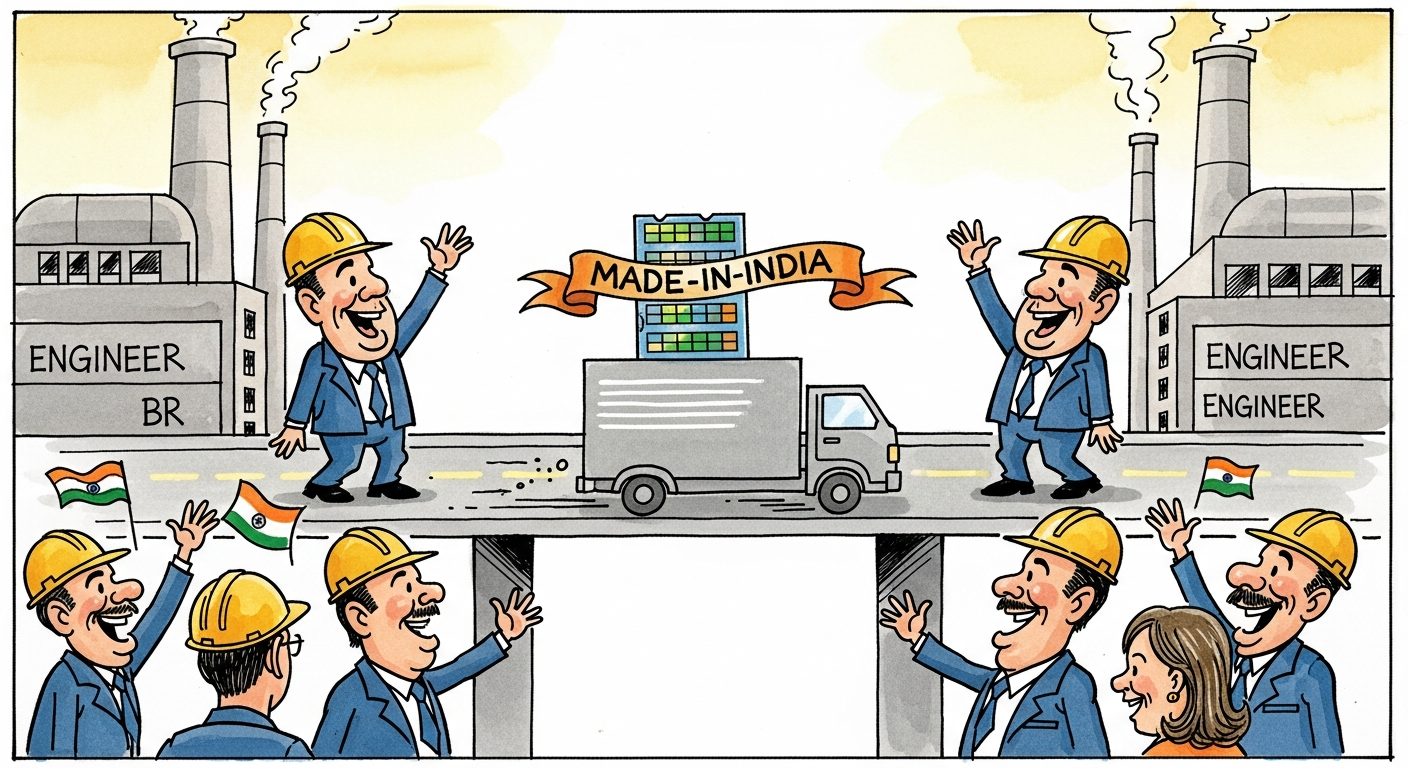
The first wafers out of the Dholera fab ended the wait. The packaging line at Sanand that qualified and shipped commercial units closed the other half of the chain. And now wafers are being routed between them — a domestic chip, packaged on a domestic line, which is the unit the entire policy was built to produce.
Why it matters beyond bragging rights: chips are the layer under everything. Your phone, your car, the grid, the missile. A country that cannot make them is a country whose entire economy runs on someone else's permission, and the last few years taught the world exactly how fragile that permission is.
The sequencing was smart. Packaging imported dies first built the muscle — clean-room discipline, yield management, audit culture — that the fab's own wafers would need. The self-reliance case was never about doing everything alone; it was about being able to.
The honest caveat nobody puts in a headline: the yield curve decides everything from here. A fab climbs from risk lots to commercial yields over quarters of unglamorous grind, and the milestone is a step on that climb, not the summit. Every previous Indian attempt died exactly here — when the ramp proved slow and the nerve failed.
The nerve is holding. That, more than any ribbon, is the story. Watch the yield, on our tech desk.