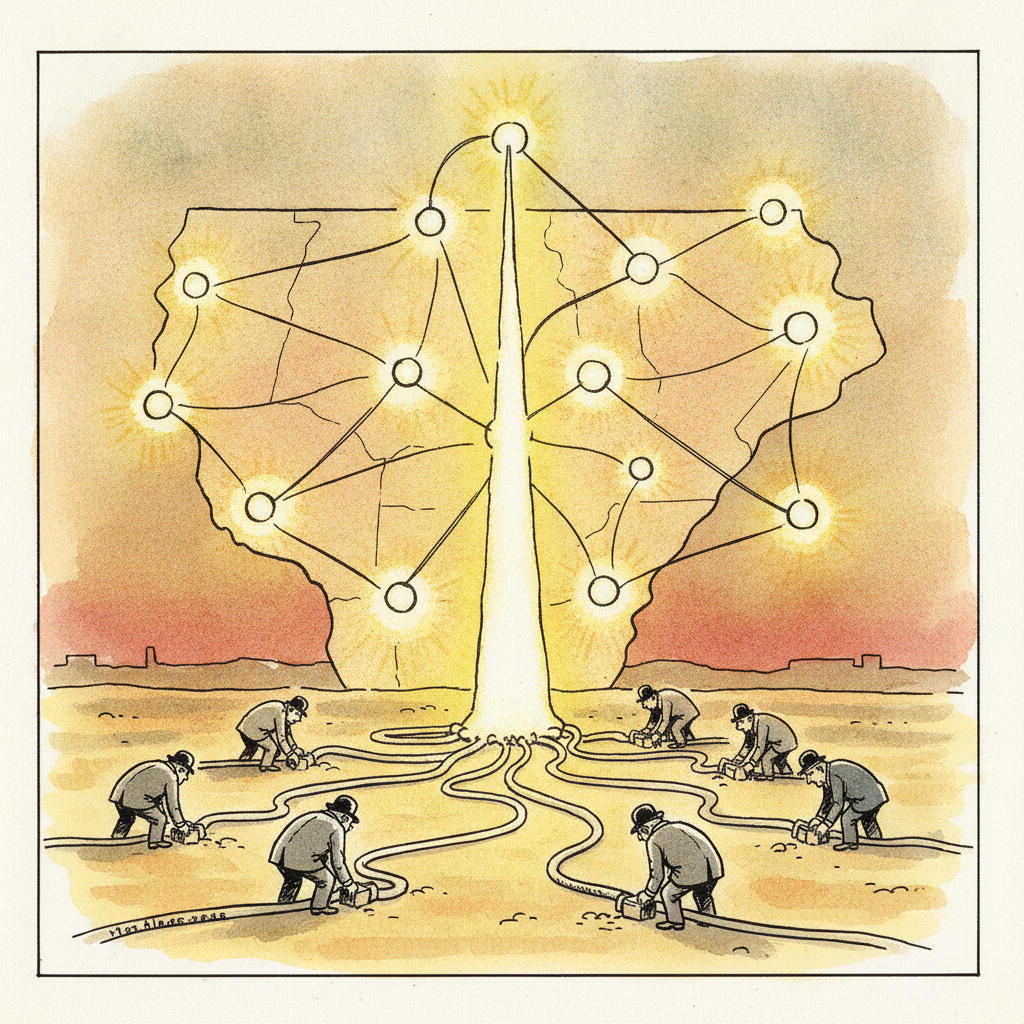
India exports its digital public infrastructure as a model, but the layer that actually reaches a citizen is built one state at a time. The national rails are designed in Delhi; the last mile — the portals, the service delivery, the databases a villager's application passes through — runs on the unglamorous state IT corporations that rarely make news.
That is where digital governance is won or lost. A well-built state e-governance system does what a thousand extra clerks cannot: it delivers a scheme to a citizen without an intermediary to take a cut on the way. The bodies that run those systems are the quiet spine of modern administration.
The credibility of the whole edifice rests on trust, which is why the data-protection regime maturing at the centre matters to every state server. A citizen hands over data on the assumption it is protected, and a privacy framework with teeth is what makes that assumption safe.
The lesson of the UPI story is that public rails, well built, outcompete private toll roads — and that lesson is being written now in state data centres as much as in national ministries. On our tech desk.



