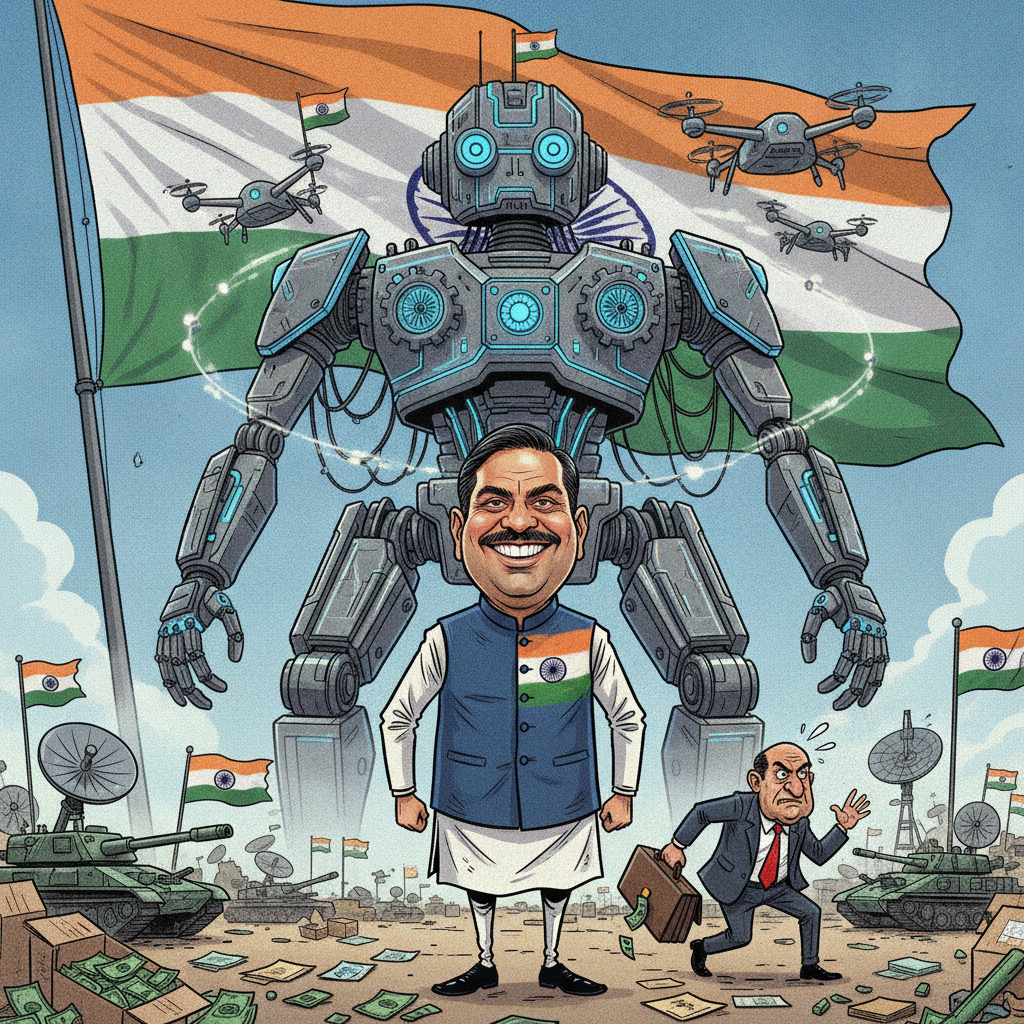
India's defence modernisation has been a key focus area for the BJP government, with a significant increase in the defence budget for 2023-24. The allocation of Rs 5.94 lakh crore marks a 13% increase from the previous year, demonstrating the government's commitment to strengthening the country's defence capabilities.
The government's aim to achieve a 25% reduction in imports by 2025 is a crucial aspect of this modernisation drive. By promoting indigenous production and reducing dependence on foreign imports, India can enhance its self-reliance in defence and reduce the burden on its foreign exchange reserves.
KEY FACTS
- Defence budget for 2023-24: Rs 5.94 lakh crore
- 13% increase from the previous year
- Aim to achieve 25% reduction in imports by 2025
- Defence Minister Rajnath Singh announces plans to increase the use of AI in defence systems
- Indigenous production to be promoted to reduce dependence on foreign imports
The use of Artificial Intelligence (AI) in defence systems is another key area of focus for the government. Defence Minister Rajnath Singh has announced plans to increase the use of AI in defence systems, which is expected to enhance the country's defence capabilities and provide a strategic edge.
The Modernisation Drive
The modernisation drive is not limited to the allocation of funds, but also involves a comprehensive overhaul of the country's defence infrastructure. The government has been working to promote indigenous production, reduce bureaucratic hurdles, and encourage private sector participation in defence manufacturing.
By The Numbers
According to official sources, the government's efforts to promote indigenous production have already started to yield results, with several private sector companies making significant investments in defence manufacturing.
Historical Context
India's defence modernisation has been a long-standing challenge, with the country facing significant gaps in its defence capabilities. The BJP government's efforts to address these gaps and promote indigenous production are a significant departure from the previous governments' approaches.
Strategic Implications
The government's plans to increase the use of AI in defence systems and reduce dependence on foreign imports have significant strategic implications. By enhancing its defence capabilities and reducing its reliance on foreign powers, India can assert its position as a major player in regional and global affairs.
As per the Ministry of Defence, the use of AI in defence systems is expected to provide a significant edge in terms of surveillance, intelligence gathering, and decision-making. This is expected to enhance the country's defence capabilities and provide a strategic advantage in the region.
"The government is committed to promoting indigenous production and reducing dependence on foreign imports. The use of AI in defence systems is a key area of focus, and we are working to leverage technology to enhance our defence capabilities." — according to official sources
The government's efforts to modernise the country's defence capabilities are a significant step in the right direction. With the allocation of sufficient funds, the promotion of indigenous production, and the use of AI in defence systems, India is poised to enhance its defence capabilities and reduce its dependence on foreign imports.