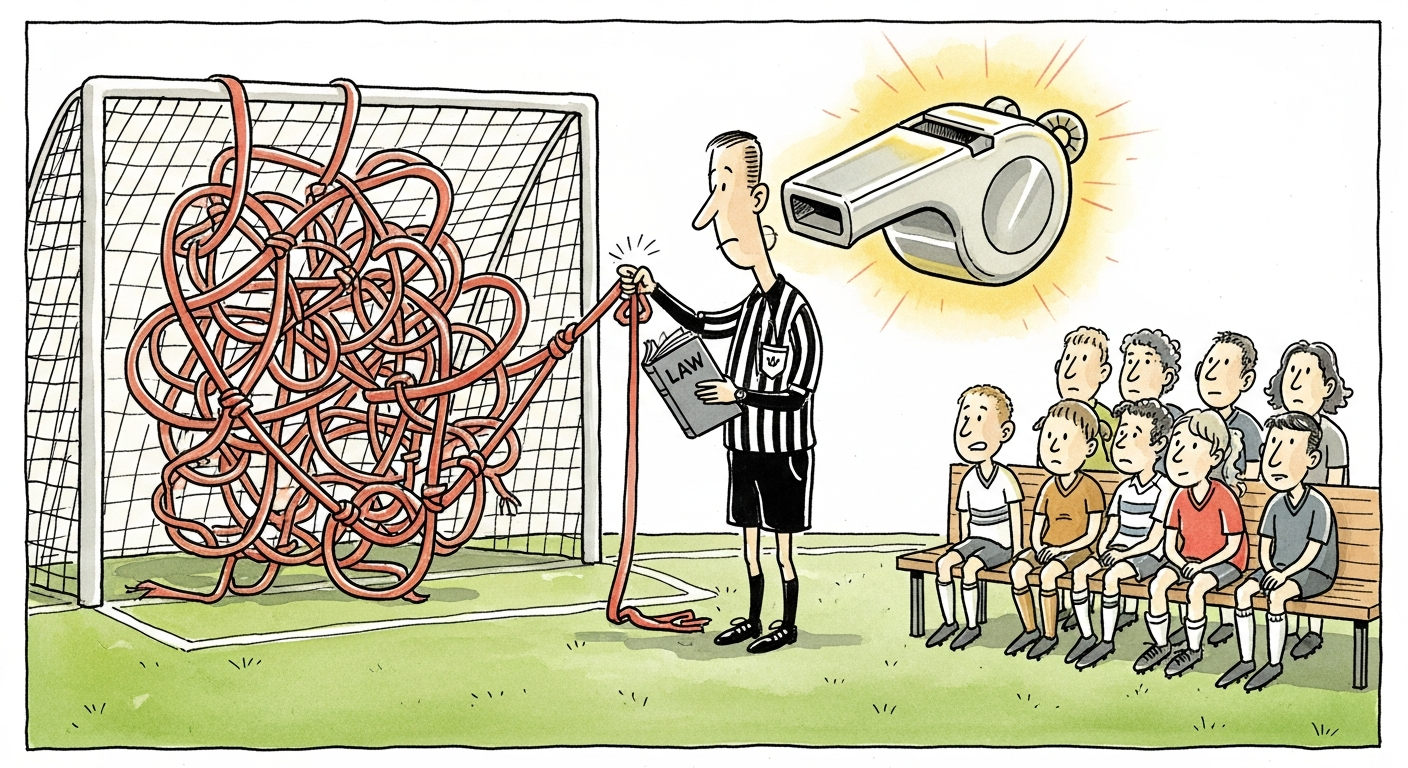
The National Sports Governance Bill advanced through its committee stage this week, and the timing wrote its own argument: the reform Indian sport dodged for a decade moved forward the same fortnight the world watched a World Cup final India was not in.
The bill's teeth are in its architecture: term and age limits for federation officials, an independent regulator that makes funding conditional on governance compliance, mandatory athlete representation on every board, and audited finances published annually. The athlete-seat mandate is the clause old officials fear most.
The proof that the model works is domestic. The women's hockey programme that won its continental title did so on exactly the professionalised-governance logic the bill mandates — the control group is football's decade of administrative chaos, the treatment is hockey, and the results are the argument.
The sobering part is the timeline, and it should be stated plainly. A pipeline fixed today produces a national team a decade hence, not a tournament hence; the athletes who would carry India to a final it can reach are children in academies the bill is trying to make worth attending. There is no payoff before the next election — which is why it was dodged.
What the bill encodes is that structure, not talent, is the variable — and that a country of 1.4 billion has never played a World Cup for want of the plumbing, not the players. Committee advance is not enactment, but the direction is no longer in doubt. On our sports desk.