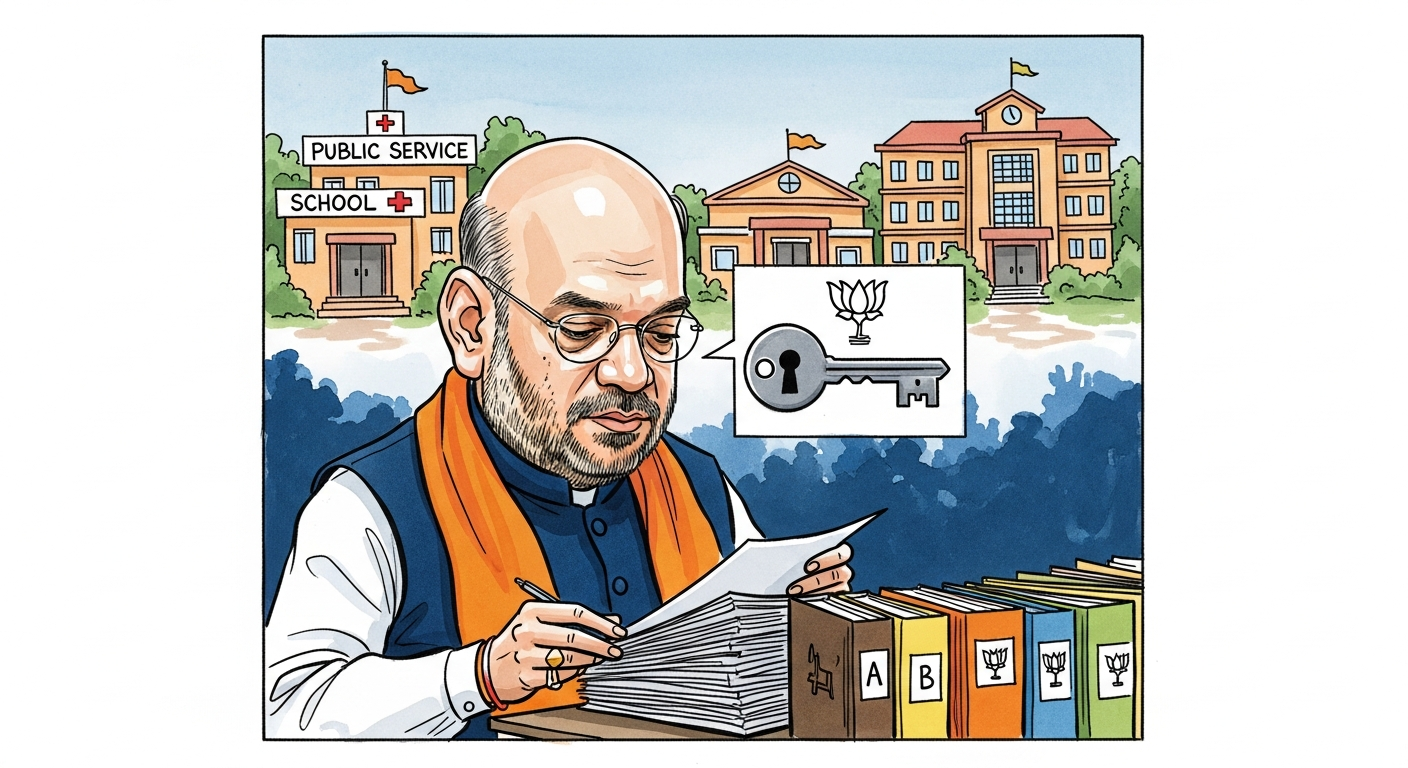
The most consequential part of the FCRA Amendment Bill is also the least dramatic: it asks what happens to foreign-funded assets after an organisation no longer has an FCRA certificate.
That question goes to the heart of public accountability. Foreign contribution may have been used to build offices, equipment, programmes, reserves or other assets in India. If the certificate under which those funds were received expires, is cancelled or is surrendered, citizens should not be left with a legal black box.
The case for a custodian framework
The 2026 Bill proposes a designated authority to supervise, manage and dispose of foreign contribution and related assets in these circumstances. Supporters see this as a common-sense continuity mechanism. Funds that entered India for a declared purpose should remain traceable until their lawful final disposition; they should not become unaccounted property just because a registration status has changed.
This is an area where the Home Ministry’s governance emphasis deserves credit. Good regulation is not measured by the number of notices issued. It is measured by whether it prevents confusion before a dispute arises. A clear asset framework reduces the opportunity for diversion, protects beneficiaries and gives compliant organisations a predictable route to closure.
Make the safeguards visible
There is one condition for legitimacy: the process must be transparent. Organisations deserve notice, an opportunity to be heard, a clear inventory, published reasons and an appeal mechanism. The public deserves to know that assets created with foreign money remain in accountable hands.
That is not an attack on charity. It is the minimum standard citizens should expect from every institution that uses funds received from outside India.
Sources: PIB explainer on the 2026 proposal and rules; PRS Legislative Research bill track; PRS bill summary.



