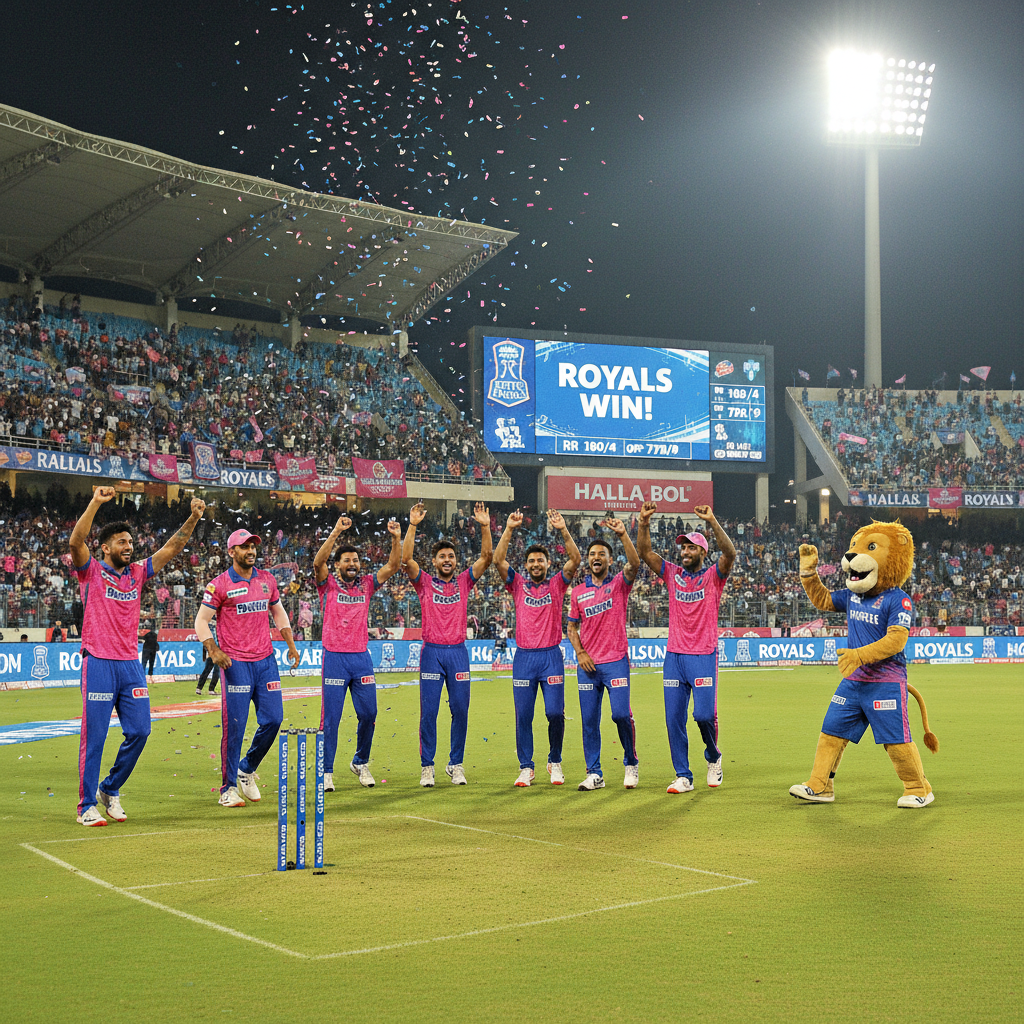
The Indian Premier League has witnessed its most expensive franchise sale in history, with the Rajasthan Royals reportedly changing hands for ₹15,000 crore to a US-based entrepreneur. This astronomical figure not only establishes a new benchmark for IPL valuations but also underscores the league's evolution from a domestic cricket tournament into a global sporting powerhouse that commands unprecedented investment levels.
The sale represents a seismic shift in the ownership landscape of the IPL, where franchise valuations have consistently defied market expectations since the league's inception in 2008. When the original IPL auction took place sixteen years ago, the Rajasthan Royals were purchased for approximately ₹67 crore by Emerging Media, making the current transaction price more than 220 times the original investment. This exponential growth trajectory reflects not merely inflation or market dynamics but a fundamental transformation in how cricket franchises are perceived as investment vehicles.
The timing of this transaction is particularly significant given the current state of global sports investments. American investors have increasingly turned their attention to cricket, recognizing the sport's massive following and untapped commercial potential, especially in markets like India where cricket commands an almost religious devotion among fans. The involvement of a US-based entrepreneur signals a broader trend of American capital flowing into international sports properties, following similar patterns seen in European football leagues.
From a historical perspective, the Rajasthan Royals hold a unique position in IPL folklore. The franchise captured the inaugural IPL championship in 2008 under the captaincy of Shane Warne, despite being considered underdogs with one of the most modest squad investments. Their fairytale victory, built around discovering and nurturing young talent rather than acquiring established superstars, became a template that influenced franchise strategies across subsequent seasons. The team's ability to punch above their weight in that maiden season created a brand identity rooted in innovation, youth development, and strategic acumen that has endured despite varying on-field performances in subsequent years.
The ₹15,000 crore valuation places the Rajasthan Royals ahead of several established global sports franchises in terms of transaction value. To contextualize this figure, it exceeds the market capitalizations of numerous publicly traded companies and rivals the valuations of premier football clubs in Europe. This pricing reflects several factors: the IPL's unmatched television and digital viewership numbers, the league's expansion potential, and the broader Indian economy's growth trajectory which promises sustained consumer spending power among cricket fans.
The commercial implications of this sale extend far beyond the immediate transaction. IPL franchises generate revenue through multiple streams including central revenue distribution from broadcast rights, local sponsorships, merchandise sales, ticket revenues, and increasingly, ancillary businesses ranging from merchandise to hospitality. The league's most recent media rights deal, worth approximately ₹48,390 crore over five years, provides a robust foundation for franchise valuations by ensuring predictable and substantial revenue streams for all participating teams.
The new ownership structure under a US-based entrepreneur is likely to bring fresh perspectives on franchise management, potentially introducing American sports business methodologies to the Indian context. American sports franchises are renowned for their sophisticated approach to fan engagement, data analytics, player development systems, and revenue optimization strategies. The integration of such approaches could set new standards for how IPL franchises operate both on and off the field.
Market analysts have consistently pointed to the IPL's resilience and growth potential as key factors driving franchise valuations upward. Unlike many sporting leagues that faced significant financial challenges during the global pandemic, the IPL demonstrated remarkable adaptability, successfully conducting tournaments in bio-secure environments while maintaining television viewership and sponsorship revenues. This resilience has enhanced investor confidence in the league's long-term sustainability and growth prospects.
The sale also occurs against the backdrop of the IPL's ongoing expansion ambitions. The league has demonstrated consistent growth in terms of global reach, with broadcast partnerships extending across multiple continents and time zones. The potential for further geographic expansion, additional franchise slots, and enhanced digital engagement platforms presents multiple avenues for value creation that justify premium valuations.
From a strategic standpoint, the involvement of American capital in Indian cricket franchises reflects broader geopolitical and economic ties between the two nations. Sports investments often serve as cultural bridges, fostering deeper business relationships and mutual understanding between countries. The presence of American ownership in the IPL could facilitate greater collaboration in sports technology, player development programs, and even potential exhibition matches or tournaments in American markets.
The transaction's impact on competitive balance within the IPL remains to be seen. While the league operates under a salary cap system that theoretically ensures competitive parity, well-funded franchises often possess advantages in terms of infrastructure development, coaching staff quality, analytical capabilities, and player support systems. The new owners' approach to leveraging their financial resources within the existing regulatory framework will be closely scrutinized by rivals and league administrators alike.
Regional economic implications cannot be overlooked either. The Rajasthan Royals' home base in Jaipur and broader Rajasthan region stands to benefit from increased investment in local infrastructure, employment opportunities, and tourism promotion. Major sports franchises often serve as economic catalysts for their host regions, generating employment across various sectors and enhancing the area's profile as a destination for both business and leisure activities.
The sale establishes a new paradigm for evaluating IPL franchise worth, potentially triggering revaluations across all eight existing teams. Franchises like Mumbai Indians, Chennai Super Kings, and Royal Challengers Bangalore, which boast larger fan bases and more consistent on-field success records, may now command even higher valuations in future transactions. This upward pressure on franchise values benefits all stakeholders, from existing owners to the league itself, which often earns fees from ownership transfers.
Player acquisition strategies may also evolve under the new ownership structure. American sports organizations typically emphasize long-term player development and retention strategies, contrasting with the more transactional approach often seen in cricket auctions. The integration of advanced analytics, performance monitoring technologies, and comprehensive support systems could enhance the franchise's ability to identify, develop, and retain talent more effectively.
The broader implications for cricket's global expansion are equally significant. High-profile American investment in IPL franchises validates cricket's potential as a mainstream entertainment product in non-traditional markets. This validation could accelerate efforts to establish cricket leagues in other countries, facilitate player exchanges between different domestic competitions, and potentially support cricket's inclusion in major multi-sport events like the Olympics.
The ₹15,000 crore transaction represents more than a simple change of ownership; it symbolizes cricket's transformation from a traditional Commonwealth sport into a modern global entertainment industry capable of attracting investment from the world's most sophisticated financial markets. As the new ownership takes control of the Rajasthan Royals, their approach to franchise management will likely influence industry standards and potentially reshape how cricket businesses operate in an increasingly competitive and commercially driven environment.