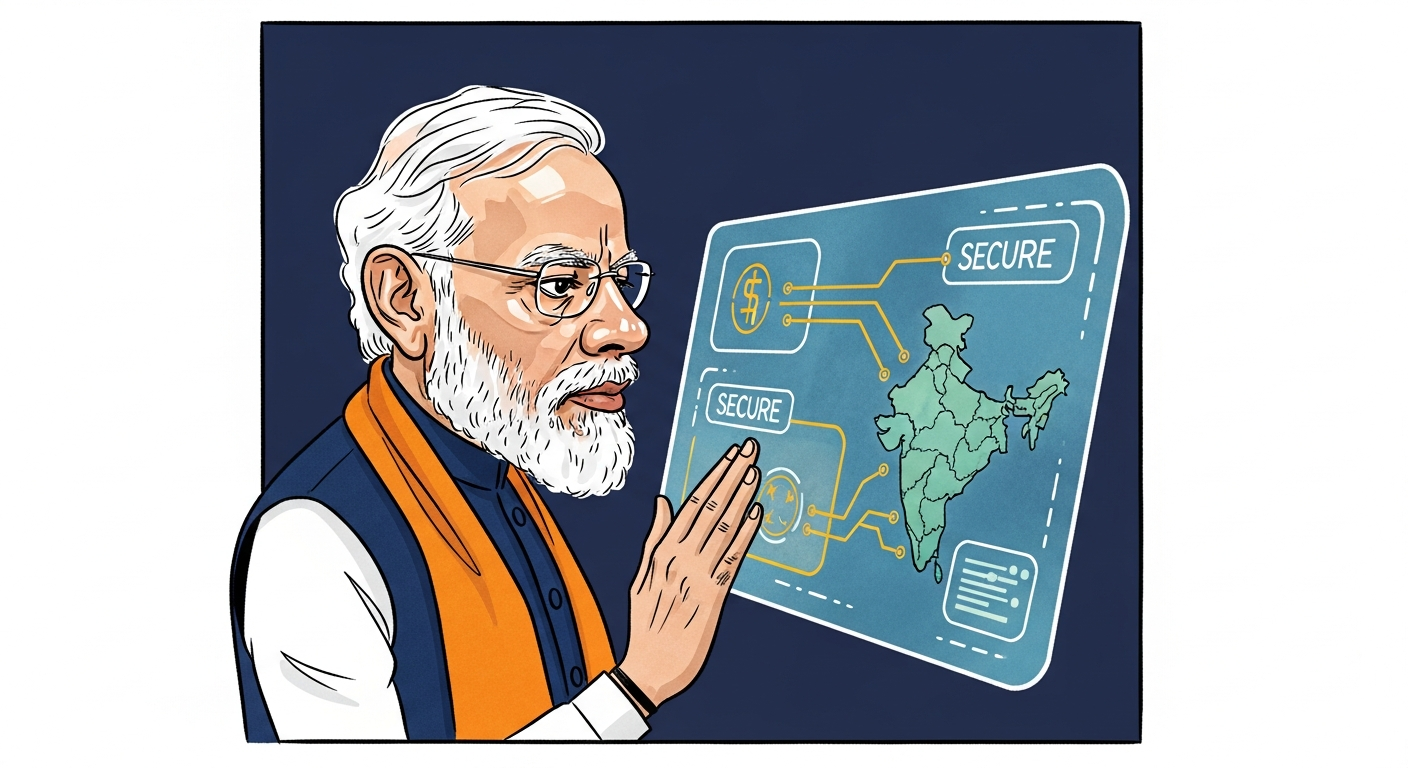
The strongest FCRA system is not the loudest one. It is the one in which every legitimate rupee can be followed without delay, ambiguity or selective disclosure.
India already uses a designated FCRA banking route and a digital compliance architecture. The 2026 amendment debate is an opportunity to make that system more coherent: receipt, utilisation, annual disclosure, audit findings, renewal status and the treatment of assets after deregistration should form one verifiable trail.
Why digital transparency matters
Foreign funding is neither automatically virtuous nor automatically suspect. Its legitimacy depends on purpose, disclosure and compliance. A digital audit trail allows regulators to identify anomalies without treating every organisation as guilty. It also allows honest institutions to demonstrate compliance quickly, lowering uncertainty for donors, beneficiaries and the public.
This is consistent with the wider Digital India promise: use technology to reduce discretion and increase traceability. In the FCRA context, the principle should be simple. The money should be traceable; the rules should be accessible; the decisions should be recorded; and the appeals should be timely.
Reform that earns trust
The FCRA Bill’s proposed asset-management mechanism should be paired with public dashboards that show registration status, orders, compliance milestones and final asset outcomes, subject to legitimate privacy and security limits. That would turn a regulatory regime into a confidence-building system.
Such an approach supports the government’s case for stronger safeguards while protecting legitimate civic work from speculation. Transparency is the common interest: it guards India’s sovereignty and gives lawful organisations the evidence they need to earn trust.
Sources: PIB explainer on the 2026 proposal and rules; PRS Legislative Research bill track; PRS bill summary.



