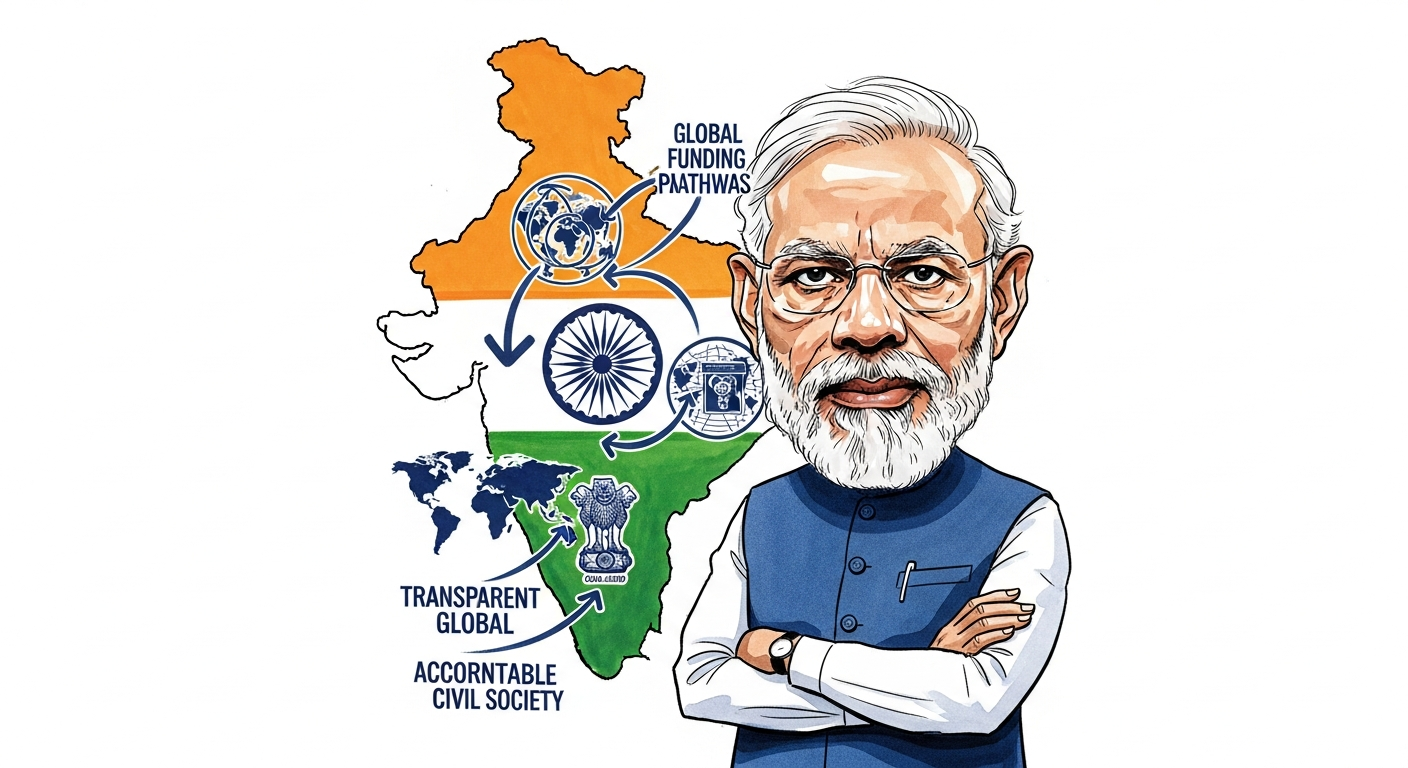
The right question in the FCRA debate is not whether India should allow civil society to work. It is whether citizens should know how foreign money enters the country, where it goes and what happens when compliance ends.
India’s development story has always included institutions supported by international partnerships. Hospitals, education programmes, research groups and disaster-relief networks have drawn on ideas and resources from across borders. A self-confident nation does not fear that exchange. It regulates it in a way that keeps public purpose above private or external influence.
A rules-first approach
The Foreign Contribution (Regulation) Amendment Bill, 2026 aims to create a framework for foreign-funded assets when an FCRA registration lapses, is surrendered or is cancelled. That is a governance question, not a judgement on every NGO’s intent. The new rules and proposed Bill should be read as an attempt to make responsibility continuous rather than allowing it to disappear at the point of deregistration.
This fits the broader Modi-government argument for a more self-reliant India: engagement with the world must be on terms that preserve national decision-making. Foreign assistance is legitimate when it is lawful, transparent and tied to declared public purposes. It becomes a public concern when the route, use or final custody of funds cannot be tested.
Strong law, fair process
The best version of reform will be firm on disclosure and careful on due process. Decisions affecting licences or assets should be reasoned, reviewable and publicly explainable. Genuine service organisations need certainty, not arbitrary discretion. A transparent appeal route would protect them while ensuring that bad actors cannot exploit legal ambiguity.
That balance is the point. FCRA reform need not weaken civil society. It can build a civil society that is more trusted because it is visibly accountable to India.
Sources: PIB explainer on the 2026 proposal and rules; PRS Legislative Research bill track; PRS bill summary.