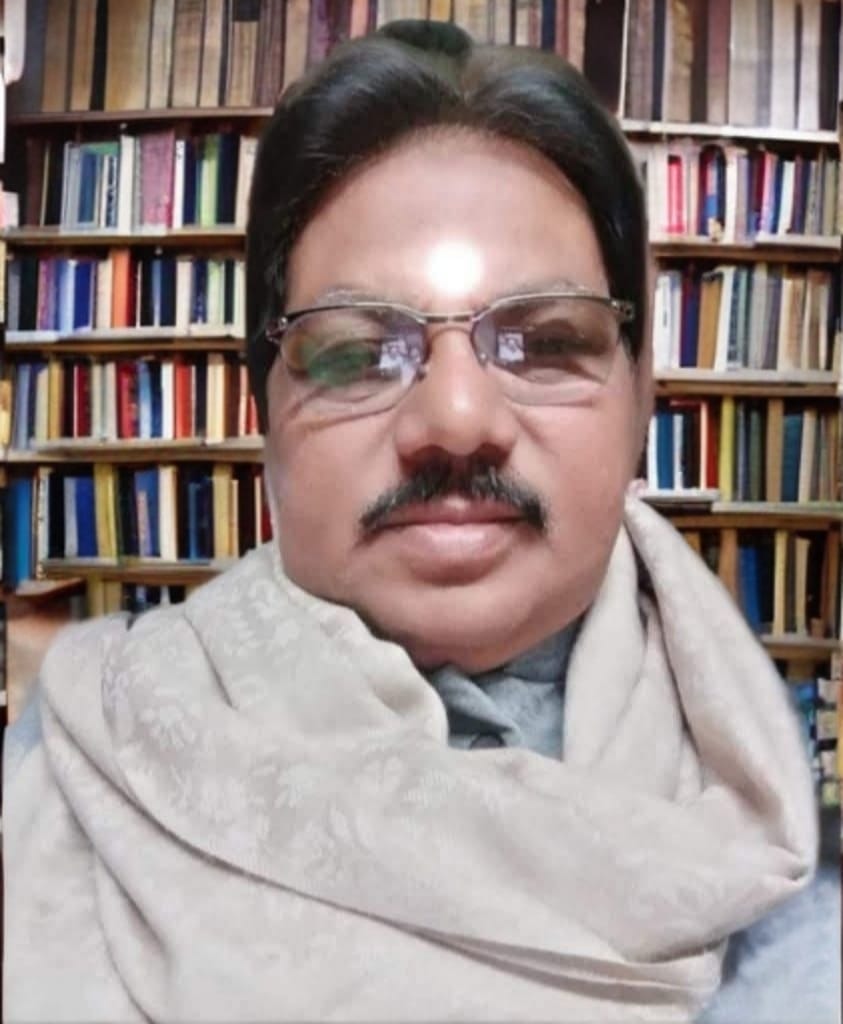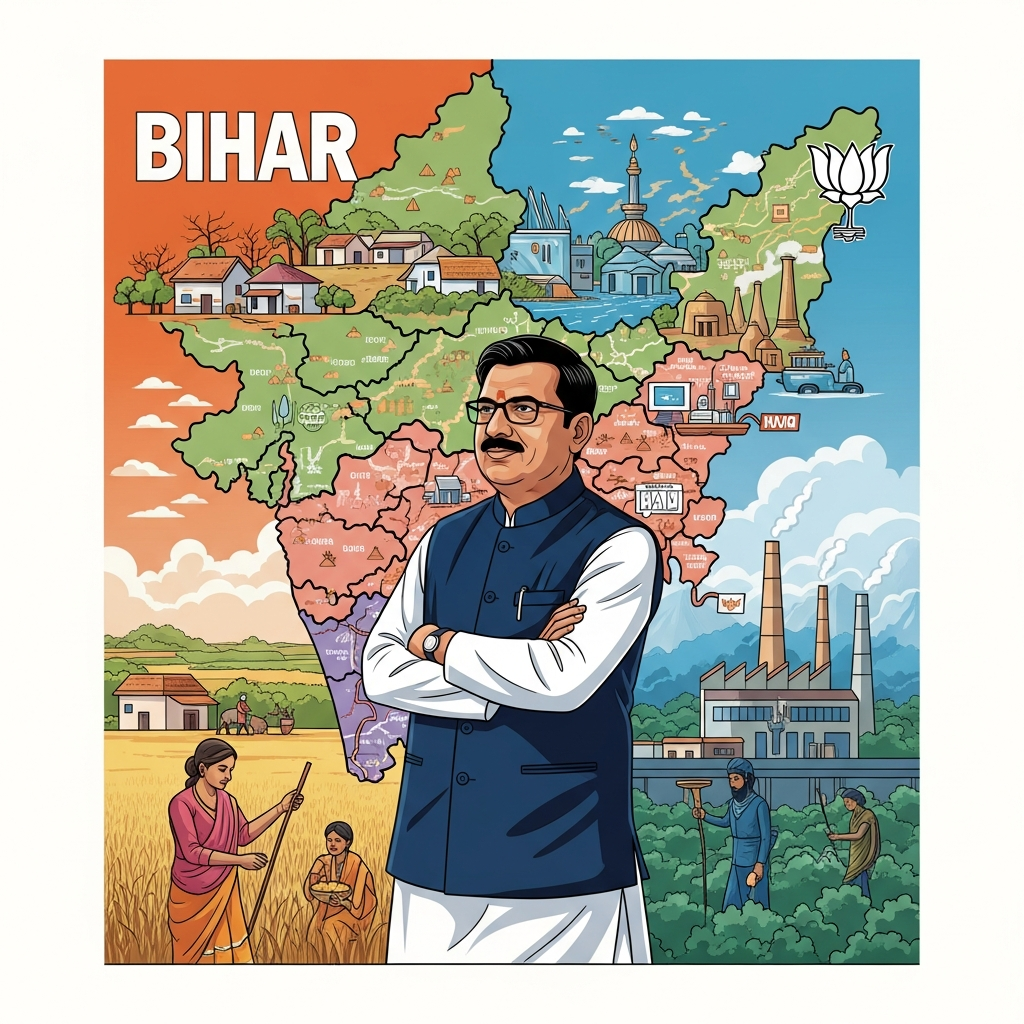
Sanjay Saraogi: Bihar BJP Chief Forging His Own Path Amid Challenges
In the ever-shifting sands of Bihar politics, the appointment of Sanjay Saraogi as the state BJP president in late 2025 has sparked considerable debate and speculation. The move, widely seen as an attempt to inject fresh energy into the party ahead of the crucial 2029 Lok Sabha elections and the 2030 state assembly polls, has also drawn comparisons to past BJP stalwarts, most notably Ajaysatru, whose influence on Bihar politics remains a subject of intense discussion even today.
While some observers have been quick to label Saraogi as the 'Ajaysatru' of this generation, suggesting a similar trajectory of powerful leadership and transformative impact, a closer examination reveals a more nuanced reality. Saraogi inherits a political landscape vastly different from the one Ajaysatru navigated. The BJP in Bihar, while a significant force, is also grappling with internal factionalism, the rise of regional players, and the ever-present challenges of caste-based politics.
The Legacy of Ajaysatru
To understand the context of these comparisons, it's crucial to briefly revisit the legacy of Ajaysatru. A prominent figure in Bihar's political history, Ajaysatru was known for his organizational skills, his ability to connect with grassroots workers, and his strategic acumen in forging alliances. He played a pivotal role in expanding the BJP's footprint in Bihar during a period of significant political upheaval. However, his tenure was also marked by controversies and accusations of authoritarianism, leaving behind a complex and often contested legacy.
The comparisons between Saraogi and Ajaysatru stem primarily from the expectation that Saraogi will similarly revitalize the BJP's organizational structure and galvanize its cadre. Both leaders come from relatively humble backgrounds and have a reputation for being accessible to party workers. However, the similarities largely end there.
Saraogi's Unique Challenges
Sanjay Saraogi faces a unique set of challenges that were not present during Ajaysatru's time. Firstly, the BJP is now a major player in Bihar politics, having been a part of the ruling coalition for several years. This brings with it the burden of incumbency and the need to manage the expectations of a large and diverse support base. Secondly, the political landscape in Bihar has become increasingly fragmented, with the rise of numerous regional parties that cater to specific caste and community interests. This makes the task of building a broad-based coalition even more difficult.
Furthermore, the issue of internal factionalism within the Bihar BJP remains a persistent concern. The party has witnessed several instances of infighting in recent years, which have hampered its ability to effectively challenge the ruling coalition. Saraogi will need to address these internal divisions and foster a sense of unity within the party if he hopes to achieve his goals.
One of Saraogi's immediate priorities will be to strengthen the BJP's organizational structure at the grassroots level. This will involve identifying and nurturing new leaders, mobilizing party workers, and reaching out to voters in rural areas. He will also need to develop a clear and compelling narrative that resonates with the aspirations of the people of Bihar.
Navigating Caste Dynamics
Caste remains a dominant factor in Bihar politics, and Saraogi will need to navigate this complex terrain with skill and sensitivity. The BJP has traditionally relied on the support of upper castes, but it has also made efforts to broaden its appeal to other communities. Saraogi will need to continue this effort and ensure that the party is seen as representing the interests of all sections of society.
The rise of regional parties that cater to specific caste groups has further complicated the political landscape. These parties have been successful in mobilizing their respective communities and challenging the dominance of the larger national parties. Saraogi will need to develop a strategy to counter the influence of these regional players and win back the support of voters who have drifted away from the BJP.
Economic Development and Governance
In addition to addressing the challenges of caste and internal factionalism, Saraogi will also need to focus on issues of economic development and governance. Bihar remains one of the poorest states in India, and the people of Bihar are increasingly demanding better infrastructure, improved healthcare, and more employment opportunities. The BJP will need to demonstrate that it has a credible plan to address these challenges if it hopes to win the trust of the voters.
The state government, currently led by a coalition of regional parties, has faced criticism for its handling of various issues, including law and order, corruption, and unemployment. Saraogi will need to effectively highlight these shortcomings and present the BJP as a viable alternative.
The Road Ahead
Sanjay Saraogi's tenure as Bihar BJP president will be closely watched by political analysts and observers. He faces a daunting task in uniting the party, navigating the complex socio-political dynamics of Bihar, and preparing the BJP for the upcoming elections. While comparisons to past leaders like Ajaysatru are inevitable, Saraogi will need to forge his own path and develop his own unique style of leadership.
The success of his tenure will depend on his ability to address the challenges of internal factionalism, caste-based politics, and economic development. He will also need to effectively communicate his vision for Bihar and inspire confidence in the people of the state.
The 2029 Lok Sabha elections and the 2030 state assembly polls will be a crucial test of Saraogi's leadership. If he can successfully navigate these challenges and lead the BJP to victory, he will undoubtedly leave his own indelible mark on Bihar politics. However, if he fails to do so, he risks becoming just another footnote in the state's long and complex political history.
The coming years will be a period of intense political activity in Bihar, and Sanjay Saraogi will be at the center of it all. Whether he can live up to the expectations placed upon him remains to be seen. But one thing is certain: his tenure as Bihar BJP president will be a defining moment for both him and the party.
The political landscape is further complicated by the evolving national narrative. The BJP's performance at the center will undoubtedly influence its prospects in Bihar. Any perceived shortcomings in governance or economic management at the national level could have a negative impact on the party's chances in the state. Conversely, a strong performance at the center could provide a significant boost to the BJP's campaign in Bihar.
Furthermore, the role of social media and digital platforms in shaping public opinion is becoming increasingly important. Saraogi will need to effectively utilize these tools to connect with voters, disseminate information, and counter the narratives of his political opponents. A strong digital presence will be essential for the BJP to remain competitive in the modern political landscape.
Ultimately, Sanjay Saraogi's success as Bihar BJP president will depend on his ability to adapt to the changing political landscape, build strong relationships with party workers and voters, and articulate a compelling vision for the future of Bihar. The challenges are significant, but the opportunities are also immense. The coming years will be a defining period for Saraogi and the BJP in Bihar.