Introduction
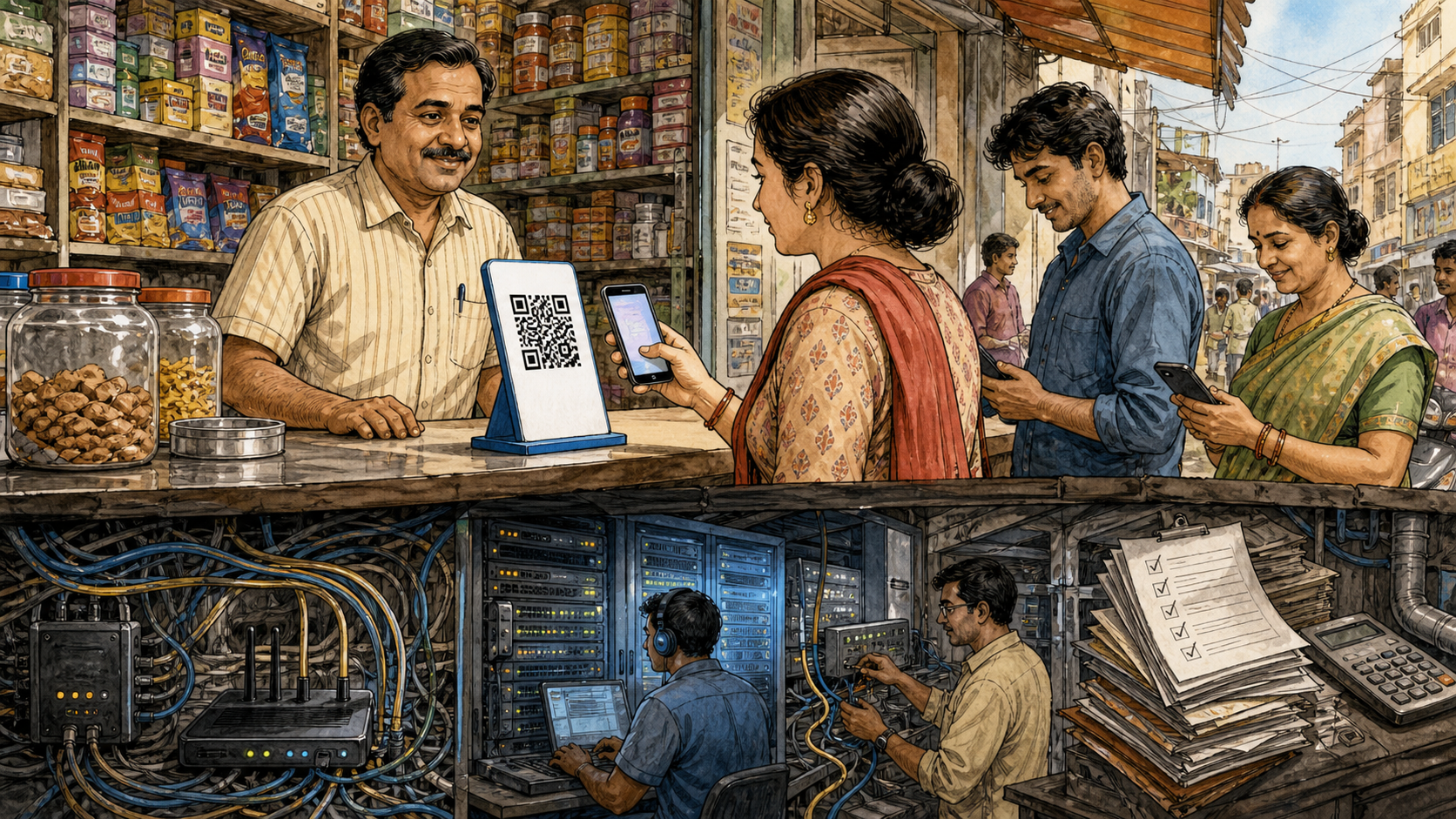
India's Unified Payments Interface (UPI) has been hailed as a digital payments miracle, with transaction volumes and values growing exponentially since its launch in 2016. According to a report by the National Payments Corporation of India (NPCI), UPI transactions reached 6.4 billion in July 2026, with a total value of over $130 billion. However, as the system continues to grow, concerns are being raised about its sustainability, particularly with regards to the zero-Merchant Discount Rate (MDR) policy and rising infrastructure costs.
The Zero-MDR Policy
The zero-MDR policy, introduced in 2020, has been instrumental in driving the adoption of UPI among merchants and consumers. By eliminating the transaction fees charged to merchants, the policy has made digital payments more attractive and convenient. However, as reported by the BBC, the policy has also resulted in significant costs for banks and other payment service providers, which are now being borne by the government and the Reserve Bank of India (RBI). According to a report by the RBI, the total cost of the zero-MDR policy is estimated to be around $1.1 billion per year.
"The zero-MDR policy has been a game-changer for digital payments in India, but it's not sustainable in the long term," said a senior official at the NPCI. "We need to find a way to balance the needs of merchants, consumers, and payment service providers to ensure the continued growth and stability of the ecosystem."
Infrastructure Costs
The rising infrastructure costs associated with UPI are also a major concern. As the volume of transactions increases, payment service providers need to invest in upgrading their infrastructure to handle the load. According to a report by the consulting firm, McKinsey, the total infrastructure costs for UPI are estimated to be around $2.5 billion per year. These costs are currently being borne by payment service providers, but there are concerns that they may be passed on to merchants and consumers in the form of higher transaction fees.
Small Merchant Concerns
Small merchants, who are a critical component of the UPI ecosystem, are also concerned about the potential impact of merchant charges on their businesses. According to a survey by the Confederation of All India Traders (CAIT), over 70% of small merchants believe that merchant charges would negatively impact their businesses. "We are already operating on thin margins, and any additional costs would be a significant burden," said a small merchant in Delhi.
Financial Inclusion
One of the key benefits of UPI has been its ability to promote financial inclusion, particularly among low-income households and small businesses. According to a report by the World Bank, UPI has helped to increase financial inclusion in India, with over 50% of adults now having access to formal financial services. However, there are concerns that merchant charges could undermine this progress, particularly if they are passed on to consumers in the form of higher prices or reduced services.
Policy Options
To address the sustainability concerns surrounding UPI, policymakers are exploring several options. One possibility is to introduce a tiered MDR structure, where smaller transactions are exempt from charges, while larger transactions are subject to a small fee. Another option is to introduce a flat fee per transaction, which would be borne by the consumer. According to a report by the RBI, a flat fee of 0.5% per transaction could generate around $1.3 billion per year in revenue.
Ultimately, the future of UPI will depend on the ability of policymakers to balance the competing interests of merchants, consumers, and payment service providers. As the system continues to grow and evolve, it is essential that policymakers prioritize sustainability, financial inclusion, and the overall health of the digital payments ecosystem.
Source and further reading
This analysis draws on reporting by BBC. Claims attributed to public officials or institutions remain attributed in this article.



