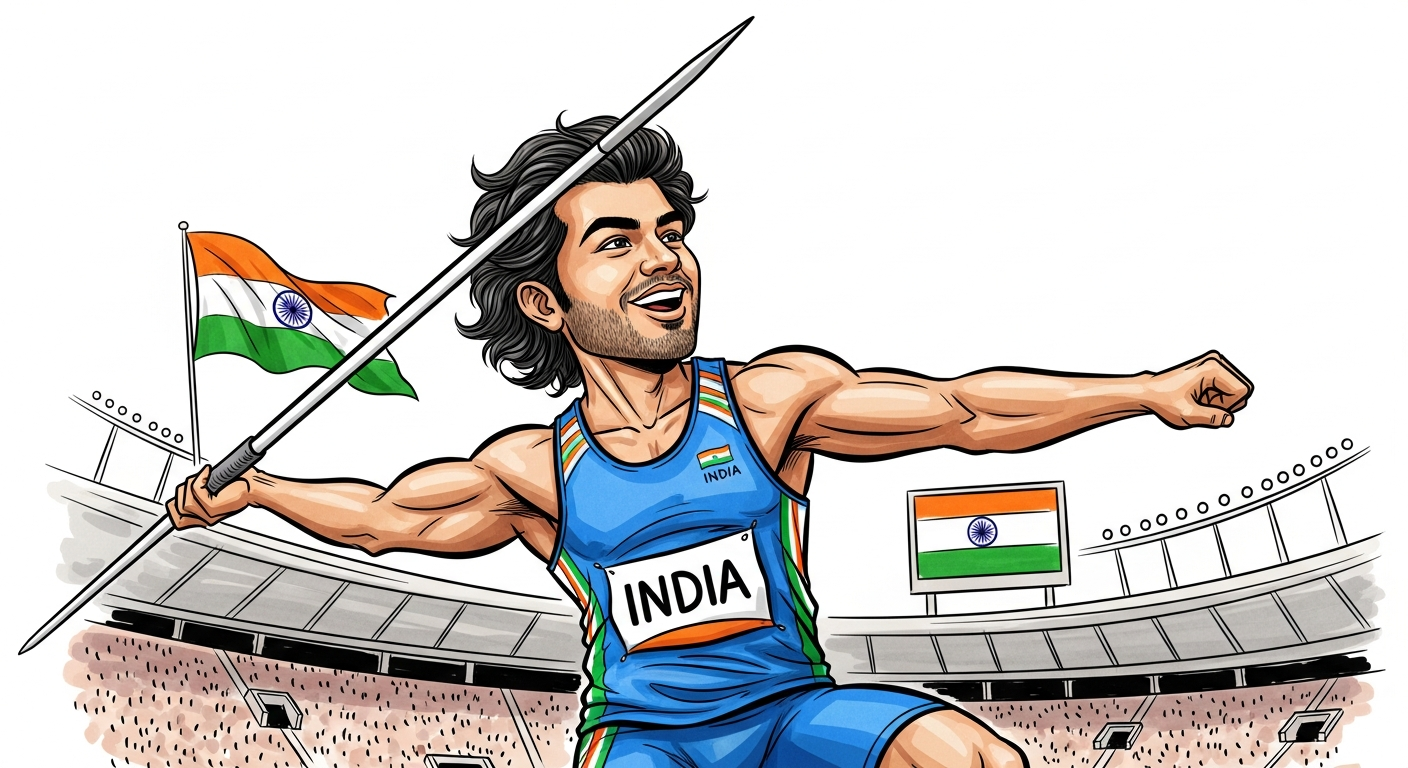
The 91.24-metre throw that cleared the 90-metre barrier was the moment Indian athletics had waited a generation to witness — and it was earned, not gifted. Years of technical refinement, of runway work and release angles tuned by fractions of a degree, arrived in a single sublime arc. Barriers like this fall to preparation that has finally run out of excuses.
What makes the mark so rare is its company. Only a small number of throwers in the entire history of the event have sent a javelin beyond 90 metres, and that list reads like a roll call of the discipline's immortals. An Indian name now sits on it — in an event the country had no tradition in whatsoever a generation ago.
The season ahead offers something rarer still. The Diamond League circuit is where a landmark becomes a standard: meet after meet, against the strongest field in the world, on the biggest stages the sport can offer. Turning 90 metres from a peak into a baseline would place him among the very few who have ever managed it — the distinction between a great champion and a historic one.
The craft this demands is what connoisseurs admire most. A champion's season is managed, not chased — knowing which meets to win and which to build through, timing the peak for the moment that matters most. That judgement, every bit as much as the raw power, is what separates the athletes who dominate a season from those who merely light up a night.
His impact already runs far beyond his own results. A sustained, world-beating champion justifies and funds an entire ecosystem — coaching, sports science, competition exposure — and the professionalised pathway that transformed Indian team sport now has its individual-event proof. The young throwers rising behind him are his legacy already taking shape.
Lausanne was the moment. The season ahead is the chance to turn a moment into a permanent place in the sport's history — and few athletes have ever been better placed to take it. Full coverage on our sports desk.