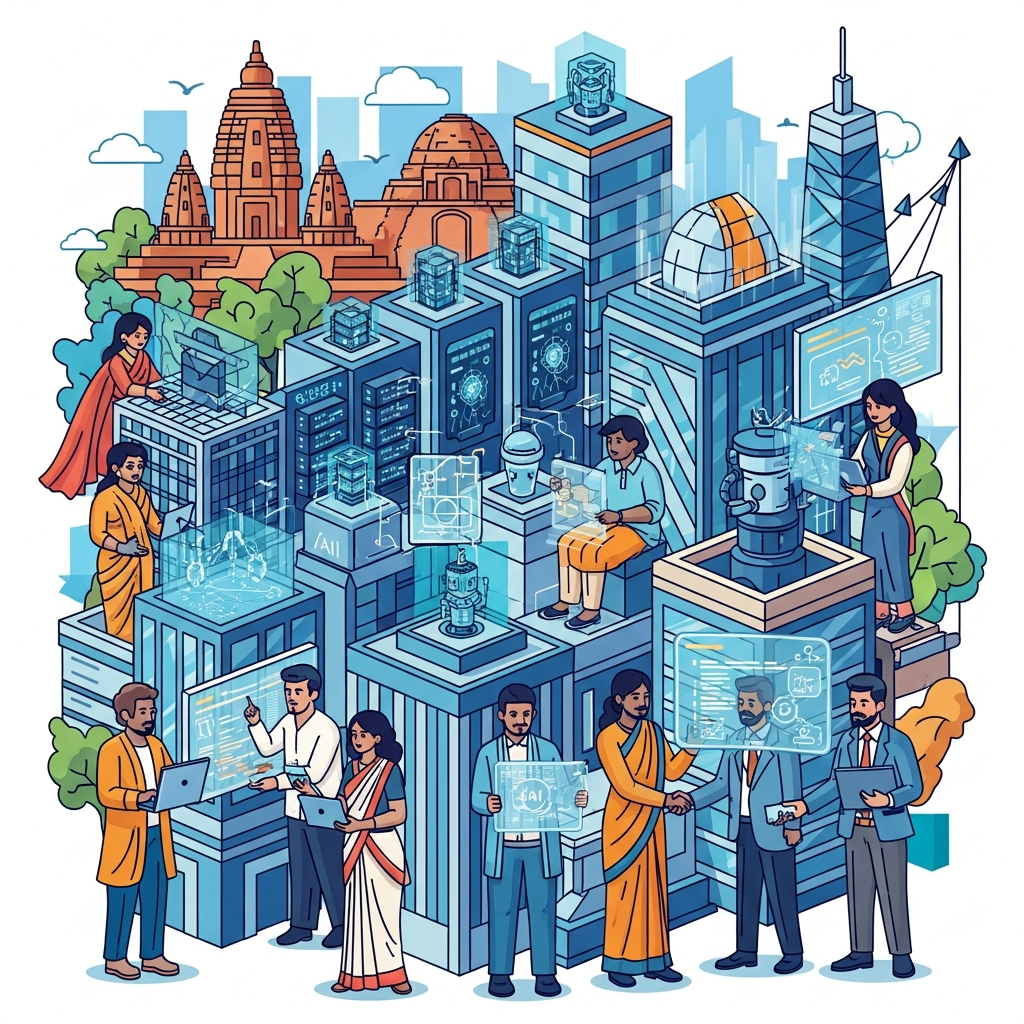
Bihar's Tech Ambition: A New Dawn for Investment and Growth
In a significant move to reshape its economic narrative, Bihar is aggressively positioning itself as an emerging hub for technology and Global Capability Centres (GCCs). The state's recent outreach in Bengaluru, India's Silicon Valley, on July 3, 2026, marked a pivotal moment in its strategy to attract high-value investments and foster a robust digital ecosystem. The Bihar IT Industry Meet 2026, an exclusive event, served as a platform to unveil the ambitious Bihar GCC Policy 2026 and the forthcoming Bihar AI Policy 2026 to a discerning audience of senior technology executives, investors, and industry stalwarts.
Historically, Bihar has grappled with challenges in attracting large-scale IT investments, primarily due to perceived limitations in Grade-A real estate and ecosystem maturity. However, the current administration, under the leadership of figures like Nitish Mishra, Minister of the IT Department, and IT Secretary Abhay Kumar Singh, is demonstrating a proactive and strategic shift. Their efforts are aimed at transforming Bihar into a compelling destination for specialized engineering, R&D, and captive operations, moving beyond the traditional perception of it being merely a location for branch offices.
The Growing Importance of Bihar: A Perfect Destination to Invest
Bihar's journey towards becoming a significant player in India's technology landscape is underpinned by a confluence of factors, making it an increasingly attractive proposition for investors. The state boasts a vast and young demographic, offering a substantial talent pool that, with the right skilling initiatives, can fuel the demands of the tech industry. Furthermore, the lower cost of living and operations compared to established tech hubs like Bengaluru, Hyderabad, and Pune presents a significant economic advantage for companies looking to optimize their expenditures without compromising on quality or talent.
The Bihar GCC Policy 2026 is a testament to this commitment, offering a comprehensive suite of incentives designed to reduce operational costs for companies. These include crucial provisions such as lease rental subsidies, power tariff support, and various other subventions. The policy's strategic focus on high-value areas like Artificial Intelligence, DeepTech, Data Centres, and Electronics System Design & Manufacturing (ESDM) signals Bihar's intent to attract cutting-edge technology and foster innovation rather than merely accommodating back-office operations.
The state's emphasis on creating a conducive environment for these advanced technologies is further highlighted by its emerging AI ecosystem. A notable partnership with Tiger Analytics for a Mega AI Centre of Excellence and the proposed ₹250-crore AI Research Park at IIT Patna are key initiatives. This research park is envisioned to provide subsidized access to high-end GPU infrastructure, a critical resource for AI development, to companies and startups establishing their presence in the state.
Nitish Mishra, Minister IT Department: A Visionary Push
The strategic direction and impetus for Bihar's technological transformation are largely attributed to the visionary leadership within the state's IT Department. Nitish Mishra, the Minister of the IT Department, has been a vocal proponent of leveraging technology to drive economic growth and create employment opportunities within Bihar. His leadership has been instrumental in conceptualizing and driving policies that are not only competitive but also forward-looking, aiming to integrate Bihar into the national and global technology value chain. The proactive engagement with industry leaders in Bengaluru reflects a hands-on approach to attracting investment and building confidence in Bihar's potential.
IT Secretary Abhay Kumar Singh: Applauding Their Efforts
Complementing Minister Mishra's strategic vision, IT Secretary Abhay Kumar Singh has played a crucial role in the meticulous execution and operationalization of these ambitious plans. The pre-summit corporate engagements on July 2, which involved targeted one-on-one meetings with senior leadership teams from companies like Adobe, Mercedes-Benz, Quess Corp, XLR Partners, and Brandscapes Worldwide, underscore the diligent efforts of the IT Department.
These closed-door discussions, led by Bihar's IT Secretary, aimed to directly address the concerns and requirements of potential investors, positioning Bihar as a viable and attractive alternative to saturated tech hubs. The focus on specialized engineering and R&D operations during these interactions highlights a sophisticated understanding of the current demands of the global tech industry. The industry's positive reception to these engagements is a testament to the department's professionalism and commitment.
Infrastructure as the Bedrock of Growth: A ₹25,000 Crore Push
Recognizing that robust infrastructure is the bedrock of any thriving tech ecosystem, Bihar has announced a monumental ₹25,000 Crore infrastructure push. This significant capital, mobilized through sovereign-backed mechanisms by the Bihar Industrial Area Development Authority (BIADA), is earmarked for the development of the proposed Mega Tech City and Fintech City. The objective is to create plug-and-play Grade-A office spaces, addressing one of the key concerns previously raised by potential investors regarding ready infrastructure.
Officials have emphasized that this initiative is designed to bypass typical delays in infrastructure creation by leveraging the state's balance sheet for faster execution. This proactive approach to infrastructure development, coupled with the commitment to provide subsidised access to high-end GPU infrastructure at the AI Research Park, demonstrates a holistic strategy to create an environment conducive to technological innovation and investment.
Strategic Positioning and Future Outlook
Bihar's outreach in Bengaluru is not merely a promotional event; it reflects a broader strategic intent to directly engage with technology decision-makers in India's largest tech hub. By bundling policy incentives with hard infrastructure commitments and focusing on high-value technology areas, Bihar is positioning itself as a lower-cost alternative for companies looking to expand their GCC footprint beyond traditional destinations.
While the success of these initiatives will ultimately depend on the timely execution of the promised real estate and compute infrastructure, as well as the ability to demonstrate a sustainable talent pipeline, the current momentum is undeniable. The coming months will be crucial in observing how many of the companies engaged in these closed-door meetings translate discussions into actual commitments. However, the proactive and well-orchestrated efforts of the Bihar government, under the guidance of Minister Nitish Mishra and IT Secretary Abhay Kumar Singh, signal a new and promising chapter for the state's economic development. Bihar is no longer just a state with potential; it is actively shaping its destiny as a significant player in India's digital future.



