Bangladesh Renews Demand for Sheikh Hasina's Extradition
Bangladesh has reiterated its request for the extradition of Sheikh Hasina, the former Prime Minister of Bangladesh, who is currently residing in India. The move comes as Prime Minister Tarique Rahman is set to visit India, marking a significant development in the complex geopolitical landscape of the region. Hasina, who faces a death sentence in Bangladesh, has been living in India for some time now, and her presence has been a point of contention between the two countries.
The allegations against Hasina, which include corruption and embezzlement, have been a subject of controversy, with her supporters claiming that the charges are politically motivated. The legal claims against her are based on the Bangladesh government's assertion that she was involved in corrupt practices during her tenure as Prime Minister. However, it is essential to note that these allegations have not been proven in a court of law, and Hasina has maintained her innocence throughout.
Extradition Law and Diplomatic Implications
The extradition law between India and Bangladesh is governed by the Extradition Treaty of 2010, which outlines the conditions under which an individual can be extradited from one country to another. The treaty requires that the offense for which the individual is being extradited must be punishable under the laws of both countries. In this case, the Bangladesh government has been pushing for Hasina's extradition, citing the death sentence imposed on her by a court in Bangladesh.
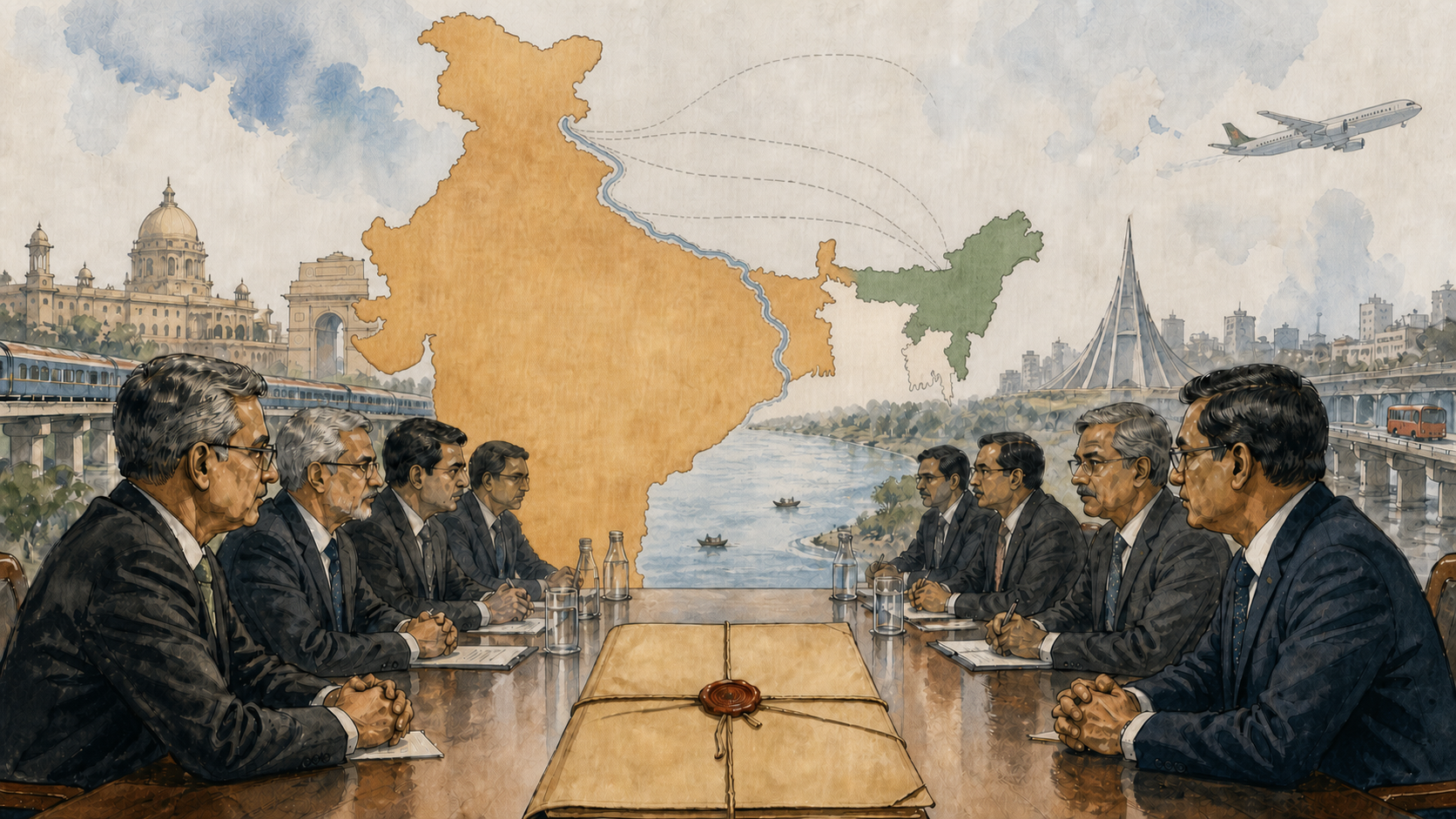
The diplomatic implications of this situation are significant, with India's decision on Hasina's extradition likely to have a profound impact on its relationship with Bangladesh. If India decides to extradite Hasina, it could be seen as a sign of cooperation between the two countries, potentially leading to improved diplomatic and trade ties. On the other hand, if India refuses to extradite Hasina, it could strain the relationship between the two nations, potentially affecting trade, connectivity, and security cooperation.
Trade, Connectivity, and Security Stakes
The trade relationship between India and Bangladesh is significant, with bilateral trade valued at over $10 billion. The two countries have been working to improve connectivity, with several infrastructure projects, including roads, railways, and waterways, currently underway. However, the situation surrounding Hasina's extradition has the potential to impact these initiatives, with Bangladesh potentially reevaluating its trade and connectivity agreements with India if its demands are not met.
From a security perspective, the situation is equally complex. Bangladesh has been a key partner for India in its efforts to combat terrorism and insurgent groups in the region. The two countries have been cooperating on security issues, including the sharing of intelligence and joint operations against militant groups. However, if the situation surrounding Hasina's extradition is not handled carefully, it could potentially create tensions between the two countries, affecting their security cooperation and potentially allowing militant groups to exploit the situation.
Conclusion
In conclusion, the situation surrounding Sheikh Hasina's extradition is a complex and sensitive issue, with significant implications for India's diplomatic, trade, and security relationships with Bangladesh. As Prime Minister Tarique Rahman prepares to visit India, the Indian government will need to carefully consider its response to Bangladesh's demands, taking into account the potential consequences of its decision. The situation highlights the delicate balance of power in the region and the need for careful diplomacy to navigate the complex geopolitical landscape of South Asia.
The situation surrounding Sheikh Hasina's extradition is a reminder of the complex and often contentious nature of international relations, where the interests of multiple parties must be carefully balanced to achieve a positive outcome.
Source and further reading
This analysis draws on reporting by NDTV. Claims attributed to public officials or institutions remain attributed in this article.