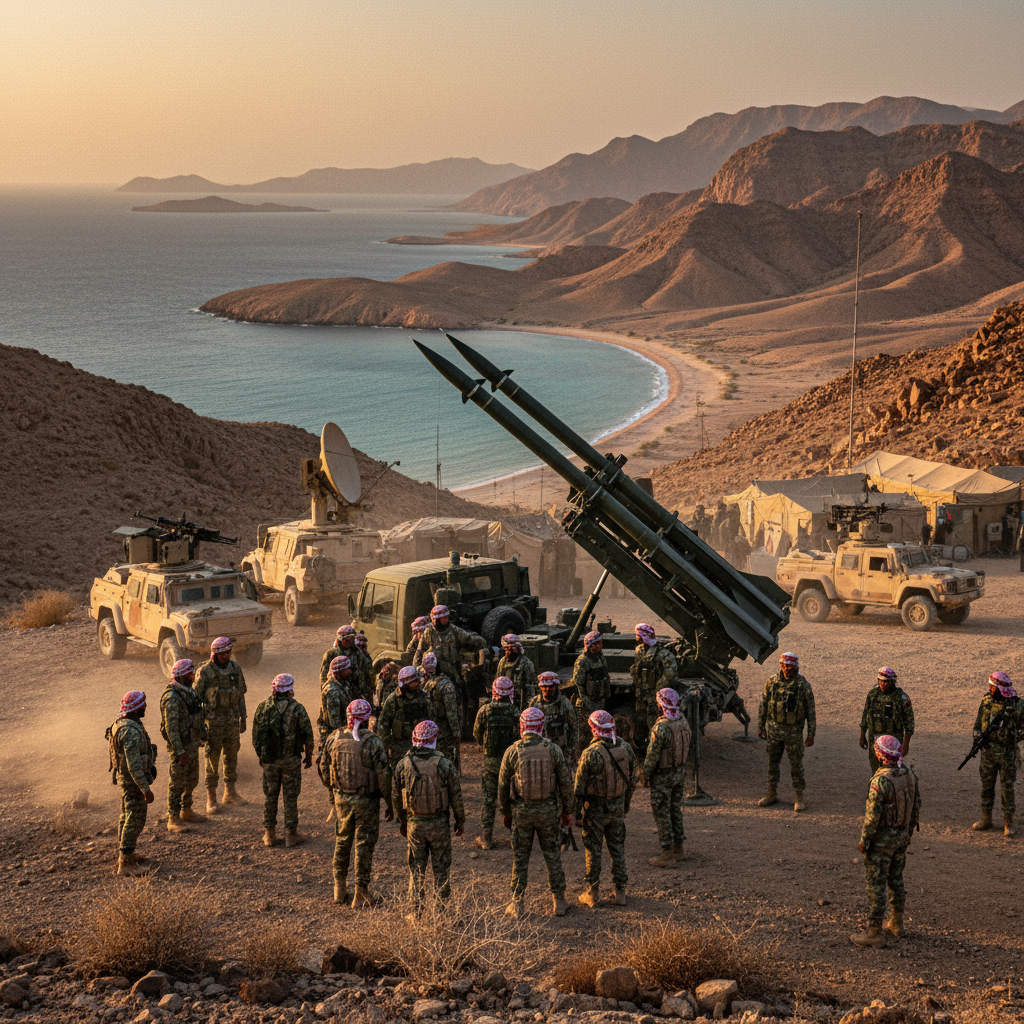
Yemen's Iran-backed Houthi rebels launched their first confirmed missile attack on Israel, dramatically expanding the geographic scope of the ongoing US-Israeli conflict with Iran and raising alarm about the potential for a broader regional war. The attack represents a significant escalation in a conflict that has already entered its 29th day, with implications that extend far beyond the immediate participants.
The Houthi missile strike marks a pivotal moment in the current crisis, demonstrating how Iran's network of regional proxies is being activated to pressure Israel and its allies. This development transforms what was initially a more contained conflict into a multi-front confrontation that now spans from the Persian Gulf to the Red Sea, threatening crucial maritime shipping routes that carry a substantial portion of global trade.
KEY FACTS
- Yemen's Houthis launched their first confirmed attack on Israel amid the 29-day US-Israeli conflict
- The attack represents a significant geographic expansion of the ongoing regional crisis
- Iran has warned neighboring countries against allowing enemies to operate from their territory
- Public disapproval of the conflict is rising despite its extended duration
- US lawmakers have taken no legislative action despite the prolonged nature of the crisis
The involvement of the Houthis, officially known as Ansar Allah, represents a calculated escalation by Iran's so-called "axis of resistance." The group has controlled much of northern Yemen, including the capital Sanaa, since 2014, and has been engaged in a devastating civil war against the internationally recognized Yemeni government. Their decision to directly target Israel marks a departure from their previous focus on Saudi Arabia and other regional targets, signaling Iran's intention to open multiple pressure points against Israeli and American interests.
Iran's warning to neighboring countries against allowing "enemies to run the war" from their territory reflects Tehran's broader strategy of deterring regional states from providing bases or support for potential military operations. This message appears directed particularly at Gulf Arab states that host American military installations and have been developing closer ties with Israel through the Abraham Accords and other diplomatic initiatives.
The timing of the Houthi attack is particularly significant given the maritime chokepoint that Yemen controls. The Bab-el-Mandeb strait, at Yemen's southern tip, is one of the world's most critical shipping lanes, connecting the Red Sea to the Gulf of Aden and serving as a gateway between Europe, Asia, and the energy-rich Gulf region. Any disruption to shipping in these waters could have severe economic consequences, potentially affecting global supply chains and energy markets that are already strained by various geopolitical tensions.
By The Numbers
The escalation comes at a time when public opinion regarding the extended conflict is showing signs of strain. Reports indicate growing disapproval of the prolonged nature of the crisis, yet this sentiment has not translated into concrete legislative action from US lawmakers. This disconnect between public sentiment and political response reflects the complex nature of Middle Eastern conflicts, where immediate diplomatic solutions often prove elusive and military engagements can extend far longer than initially anticipated.
The Houthi involvement also highlights the sophisticated proxy warfare capabilities that Iran has developed across the region. Through years of providing weapons, training, and financial support to various armed groups, Iran has created a network that allows it to project power and influence far beyond its borders without direct military confrontation. The Houthis have demonstrated increasing technological capabilities in recent years, developing and deploying increasingly sophisticated missiles and drones that have reached targets hundreds of miles away.
The strategic implications of this expansion are profound for regional stability. Israel now faces the prospect of defending against threats from multiple directions, potentially stretching its military resources and complicating its strategic planning. The involvement of Yemen-based forces also means that any comprehensive resolution to the current crisis would need to address not just the immediate US-Israeli-Iranian tensions, but also the broader network of conflicts and proxy relationships that span the region.
Maritime security experts have long warned about the vulnerability of global shipping lanes to regional conflicts, and the Houthi attack underscores these concerns. The Red Sea shipping route handles approximately 12 percent of global trade, and any sustained campaign against vessels in these waters could force shipping companies to take longer, more expensive routes around Africa, potentially driving up costs for consumers worldwide.
"Iran warned neighboring countries against allowing 'enemies to run the war' from their land" — according to regional reports
The international community now faces the challenge of preventing further escalation while addressing the underlying issues that have led to this multi-front crisis. The involvement of the Houthis demonstrates how regional conflicts can quickly expand beyond their original boundaries, drawing in actors with their own grievances and strategic objectives. This complexity makes diplomatic solutions more challenging, as any comprehensive agreement would need to address not just the primary disputants but also the network of proxies and allies that have become involved.
The economic ramifications extend beyond immediate shipping concerns. Energy markets, already sensitive to Middle Eastern tensions, are likely to react to any signs that the conflict is expanding to threaten major oil and gas transportation routes. The Persian Gulf handles a significant portion of global energy exports, and any escalation that threatens these supplies could have global economic consequences.
For Yemen itself, the decision to launch attacks on Israel represents another chapter in its prolonged agony. The country has been devastated by nearly a decade of civil war, creating one of the world's worst humanitarian crises. The Houthi leadership's decision to expand their military activities beyond their traditional focus on domestic and regional Saudi targets suggests either growing confidence in their capabilities or increasing pressure from their Iranian backers to contribute to the broader regional confrontation.
As the conflict enters its second month, the involvement of Yemeni forces adds another layer of complexity to an already intricate regional crisis. The attack demonstrates how modern Middle Eastern conflicts can quickly evolve from bilateral disputes into multi-faceted regional confrontations, with implications that extend far beyond the immediate participants to affect global commerce, energy security, and international stability.