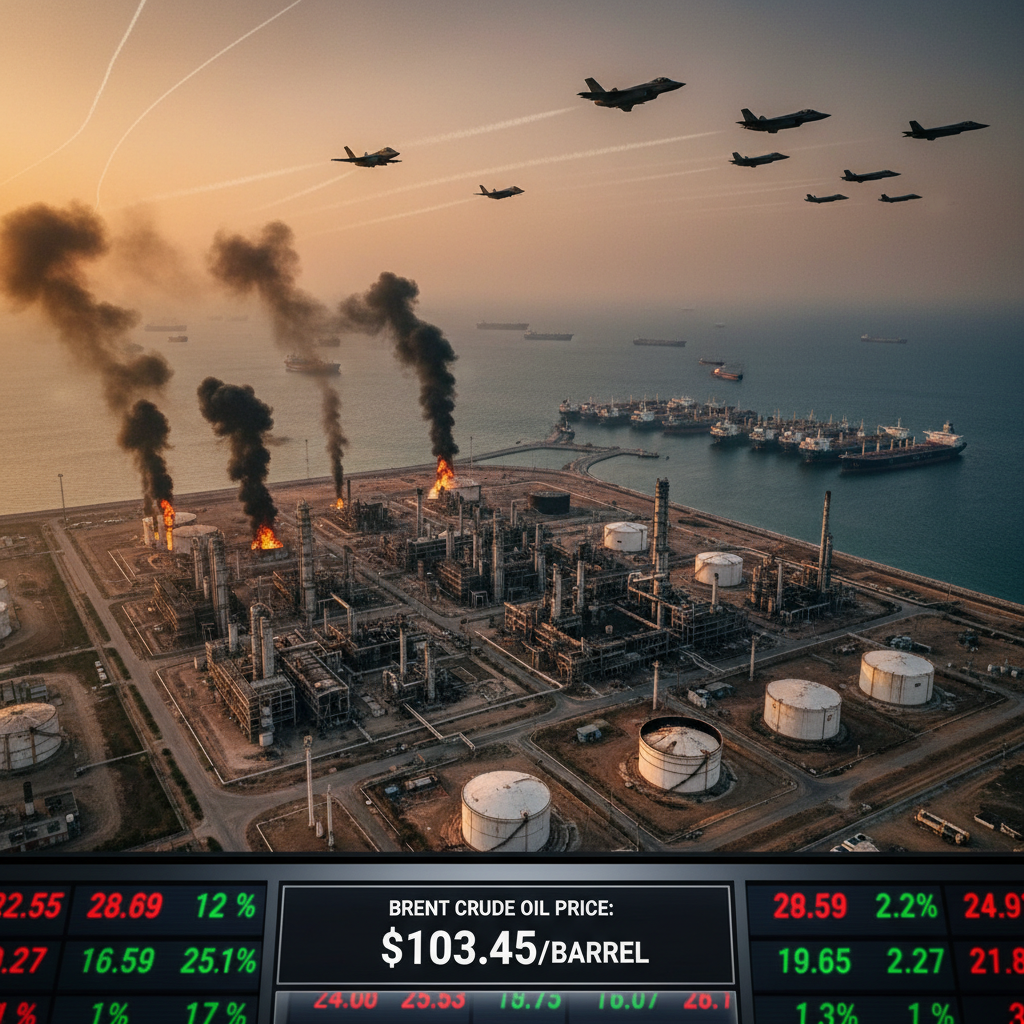
Military escalation between the United States, Israel, and Iran has reached a critical juncture as extensive strikes have been carried out across Iranian territory, according to reports from Al Jazeera and Reuters. The coordinated military action has raised alarm about the potential targeting of Iran's power infrastructure, marking a significant intensification in the long-standing regional conflict.
The strikes represent the most direct military confrontation between the allied forces and Iran in recent memory, coming amid heightened tensions that have been building for months across the Middle East. According to official sources, the operations have targeted multiple locations within Iranian borders, though the full extent of the damage remains unclear as Iran maintains tight control over information flowing from the affected areas.
Adding to the volatile situation, reports indicate that former President Donald Trump has issued a 48-hour ultimatum regarding the strategically vital Hormuz Strait. This narrow waterway serves as a critical chokepoint for global oil shipments, with approximately one-fifth of the world's petroleum passing through its waters. Any disruption to shipping through the strait would have immediate and far-reaching consequences for global energy markets.
The escalation has already sent shockwaves through international oil markets, with Brent crude prices surging back above the psychologically significant $100 per barrel mark. This price level has not been sustained since the early phases of the conflict in Ukraine, highlighting the market's acute sensitivity to Middle Eastern geopolitical developments. Energy analysts note that the combination of actual military strikes and threats to critical shipping lanes has created a perfect storm for oil price volatility.
The diplomatic landscape has become increasingly murky, with Iran categorically denying reports of ongoing talks with the United States. This denial comes at a time when international observers had hoped for potential de-escalation through diplomatic channels. The rejection of dialogue possibilities by Iranian officials suggests that the current crisis may deepen before any resolution emerges.
Historical precedent suggests that conflicts involving Iran's nuclear program and regional influence often follow unpredictable trajectories. The 1980s Tanker War, during which both Iran and Iraq targeted oil shipments in the Persian Gulf, demonstrated how quickly regional conflicts can disrupt global energy supplies. Similarly, the 2019 attacks on Saudi oil facilities showed how even limited strikes can send oil prices soaring and rattle international markets.
The current escalation occurs against the backdrop of Iran's advancing nuclear program and its support for proxy forces throughout the region. Israel has long maintained that it will not allow Iran to develop nuclear weapons capabilities, while the United States has imposed successive rounds of economic sanctions aimed at curbing Iranian influence.
International shipping companies are already reassessing their routes through the Persian Gulf region, with some considering alternative pathways despite the increased costs and delays involved. The uncertainty surrounding the Hormuz Strait has prompted emergency consultations among major oil-consuming nations about potential strategic petroleum reserve releases.