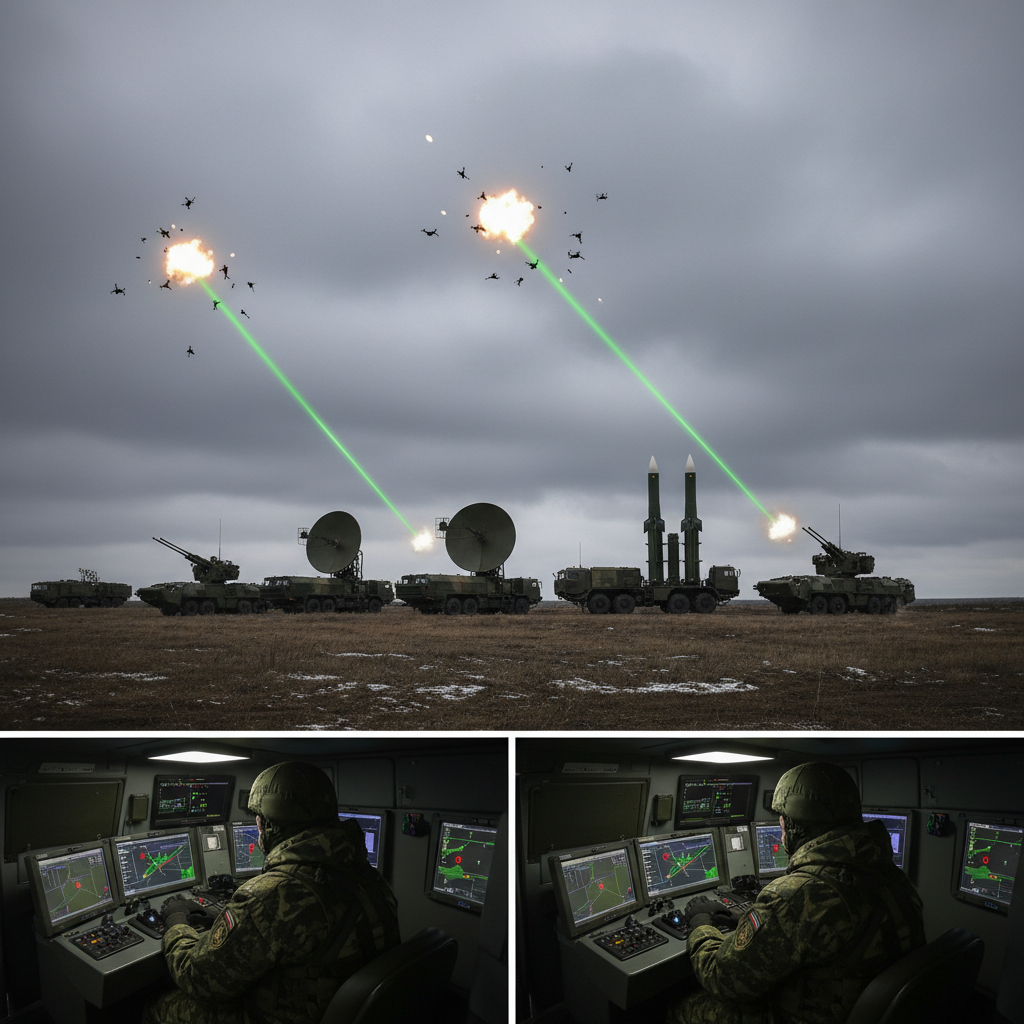
Russia has claimed to have shot down almost 400 Ukrainian drones in what appears to be an escalating exchange of aerial barrages between Moscow and Kyiv, according to reports from The Hindu. The assertion highlights the intensifying drone warfare that has become a defining characteristic of the conflict that began with Russia's invasion of Ukraine in February 2022.
The reported interceptions represent a significant escalation in the aerial dimension of the war, with both sides increasingly relying on unmanned systems to strike targets deep within enemy territory. These drone operations have evolved from tactical battlefield support to strategic campaigns targeting infrastructure, military installations, and supply lines hundreds of kilometers from the front lines.
KEY FACTS
- Russia claims to have shot down nearly 400 Ukrainian drones in recent operations
- The conflict between Russia and Ukraine began in February 2022
- Both nations have escalated their use of drone warfare throughout the conflict
- Aerial barrages have targeted infrastructure and military installations
- Drone operations now extend hundreds of kilometers from front lines
The drone warfare component of the Russia-Ukraine conflict has transformed significantly since the early months of the invasion. Initially, both sides used commercially available drones for reconnaissance and limited strike capabilities. However, the conflict has witnessed a rapid evolution toward more sophisticated unmanned systems, including long-range attack drones capable of carrying substantial payloads across vast distances.
Ukraine has demonstrated particular innovation in drone technology, developing and deploying various types of unmanned aerial vehicles ranging from small commercial quadcopters adapted for military use to larger, purpose-built attack drones. These systems have been used to target Russian military installations, oil refineries, and other strategic infrastructure, often deep within Russian territory. The effectiveness of these operations has prompted Russia to enhance its air defense systems and develop countermeasures specifically designed to combat drone threats.
Russia's air defense capabilities have been tested extensively throughout the conflict, with the country deploying various systems including the S-400 and Pantsir missile systems to counter aerial threats. The claimed interception of nearly 400 Ukrainian drones suggests either a significant Ukrainian offensive operation or an accumulation of defensive actions over an extended period. Russian officials have consistently emphasized their air defense capabilities as a key component of their military strategy.
By The Numbers
The escalation in aerial operations reflects broader strategic considerations for both militaries. For Ukraine, drone strikes represent a means of projecting power beyond the immediate battlefield and disrupting Russian logistics and military operations. These operations also serve psychological and political purposes, demonstrating Ukraine's capability to strike within Russian territory and potentially influencing domestic Russian opinion about the conflict.
From Russia's perspective, the emphasis on shooting down Ukrainian drones serves multiple objectives. Militarily, it protects critical infrastructure and military assets from attack. Politically, successful interceptions can be portrayed as evidence of Russian defensive capabilities and military effectiveness. The public announcement of these intercepts also serves as a deterrent, signaling to Ukraine that their drone operations face significant opposition.
The technical aspects of drone warfare have evolved rapidly throughout this conflict. Early drone operations relied heavily on modified commercial systems, but both sides have since developed more sophisticated platforms. Ukrainian forces have demonstrated creativity in developing long-range attack drones using readily available components, while also receiving more advanced systems from international partners. These drones have been used to target Russian airfields, naval vessels, and energy infrastructure.
"Russia claims it shot down almost 400 Ukrainian drones as Moscow and Kyiv escalate aerial barrages." — The Hindu
The international implications of this drone warfare extend beyond the immediate conflict. The extensive use of unmanned systems by both sides has provided valuable data on the effectiveness of different drone technologies and countermeasures. Military analysts worldwide are studying these operations to understand how drone warfare might evolve in future conflicts and what defensive measures are most effective against various types of unmanned threats.
The economic dimension of drone warfare has also become significant. Ukraine has had to balance the cost of developing and deploying drones against their military effectiveness, while Russia has invested heavily in air defense systems to counter these threats. The relatively low cost of many drone systems compared to traditional military aircraft has made them attractive options for sustained operations, but the cumulative cost of large-scale drone campaigns can still be substantial.
Air defense systems face particular challenges when confronting drone swarms or coordinated attacks involving multiple unmanned vehicles. Traditional air defense systems were designed primarily to counter aircraft and missiles, and adapting them to effectively engage smaller, slower-moving drones has required significant modifications and new tactics. The reported success in intercepting large numbers of drones suggests that air defense systems can be effective when properly configured and deployed.
The civilian impact of these aerial operations has been considerable, with both drone attacks and the debris from intercepted drones posing risks to non-combatants. Infrastructure targets such as power plants, refineries, and transportation hubs are often located in or near populated areas, making precision crucial for both offensive and defensive operations. The psychological effect of drone warfare on civilian populations has also been significant, with the constant threat of aerial attack affecting daily life in many regions.
The strategic implications of this escalation in drone warfare extend to the broader conduct of the conflict. As both sides develop more capable unmanned systems and more effective countermeasures, the aerial dimension of the war continues to evolve. The success or failure of these operations can influence ground operations by affecting logistics, communication, and morale on both sides.
International observers are closely monitoring these developments for their potential impact on future military doctrine and technology development. The lessons learned from this extensive real-world testing of drone systems and air defense measures are likely to influence military procurement and strategic planning decisions worldwide. The conflict has already accelerated innovation in both offensive drone technology and defensive countermeasures, with implications extending far beyond the current battlefield.