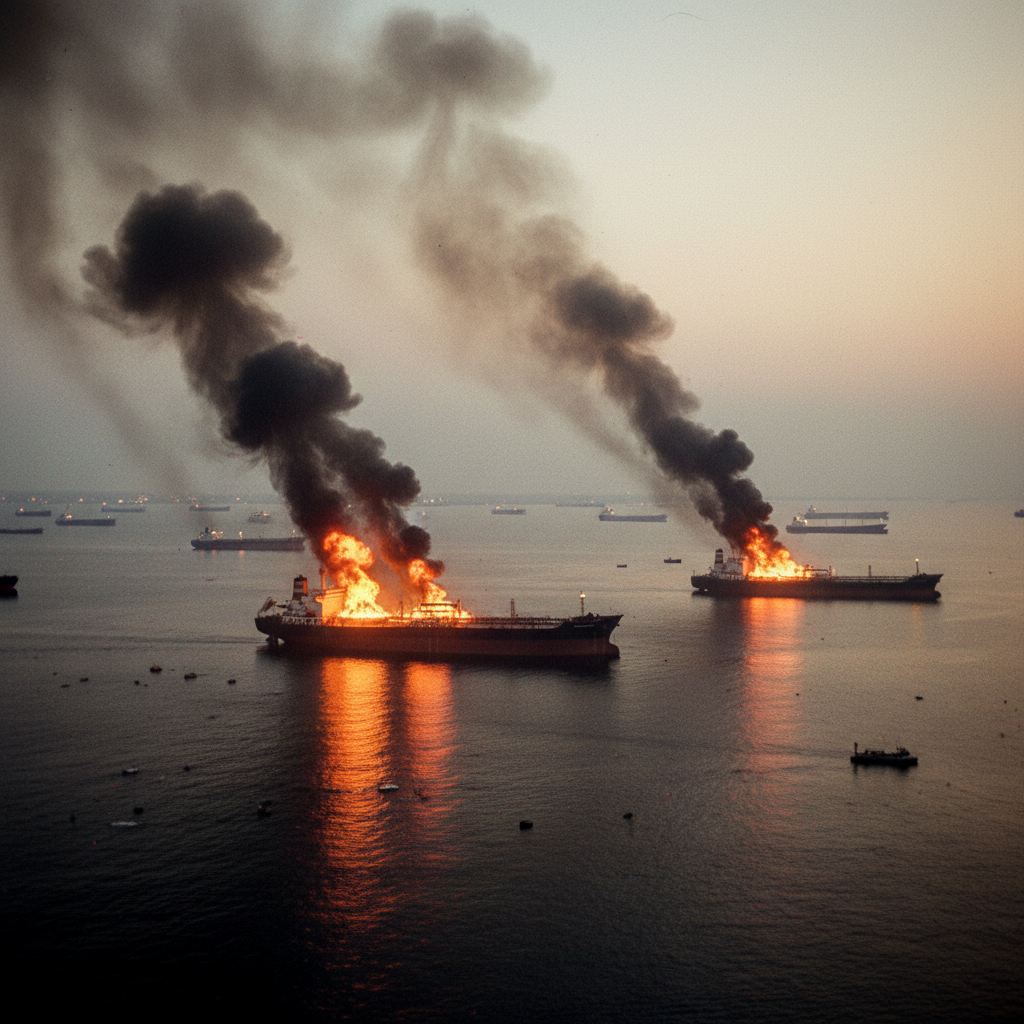
Global oil prices have surged past the critical $100 per barrel threshold as escalating conflict in Iran sends shockwaves through international energy markets, according to Reuters reports. The dramatic price spike reflects growing concerns about supply disruptions from one of the world's most significant oil-producing regions.
The crisis has been compounded by Qatar's decision to halt liquefied natural gas exports, creating a dual shock to global energy supplies. This development has sent gas prices soaring across international markets, adding pressure to an already strained global energy system still recovering from previous geopolitical disruptions.
Reports indicate that multiple tankers are currently burning in the Middle East, underscoring the immediate physical threats to energy infrastructure in the region. These incidents highlight the vulnerability of critical supply chains that transport millions of barrels of oil daily through strategic maritime corridors.
Iran has issued stark warnings about the potential trajectory of oil prices, suggesting the world should prepare for crude to reach $200 per barrel. This represents more than a doubling from current elevated levels and would mark the highest oil prices in history, surpassing even the peaks reached during previous Middle Eastern conflicts and the 1970s oil crises.
The current surge recalls the oil shocks of 1973 and 1979, when geopolitical tensions in the Middle East led to quadrupling of oil prices and triggered global recessions. However, today's energy landscape differs significantly, with increased strategic petroleum reserves, more diverse supply sources, and greater energy efficiency in many economies.
The Persian Gulf region accounts for approximately 30% of global oil production and contains nearly half of the world's proven oil reserves. Any prolonged disruption to Iranian production or threats to shipping lanes in the Strait of Hormuz, through which about 20% of global oil passes daily, could trigger sustained price increases with far-reaching economic consequences.
Financial markets have responded with heightened volatility as traders assess the potential duration and scope of supply disruptions. The energy sector has become a focal point for investors seeking to hedge against further geopolitical escalation, while airlines and transportation companies face immediate pressure from rising fuel costs.
The simultaneous disruption of both oil and natural gas supplies creates particular challenges for European markets, which have been working to reduce energy dependence on volatile regions since previous supply crises. Qatar's LNG export suspension affects a critical alternative energy source that many nations have relied upon as they transition their energy portfolios.
Central banks worldwide are closely monitoring the situation, as sustained higher energy prices could reignite inflationary pressures that policymakers have worked to contain. The Federal Reserve and European Central Bank have previously indicated that energy price shocks remain a key variable in their monetary policy calculations, particularly given the global economy's continued sensitivity to commodity price fluctuations.