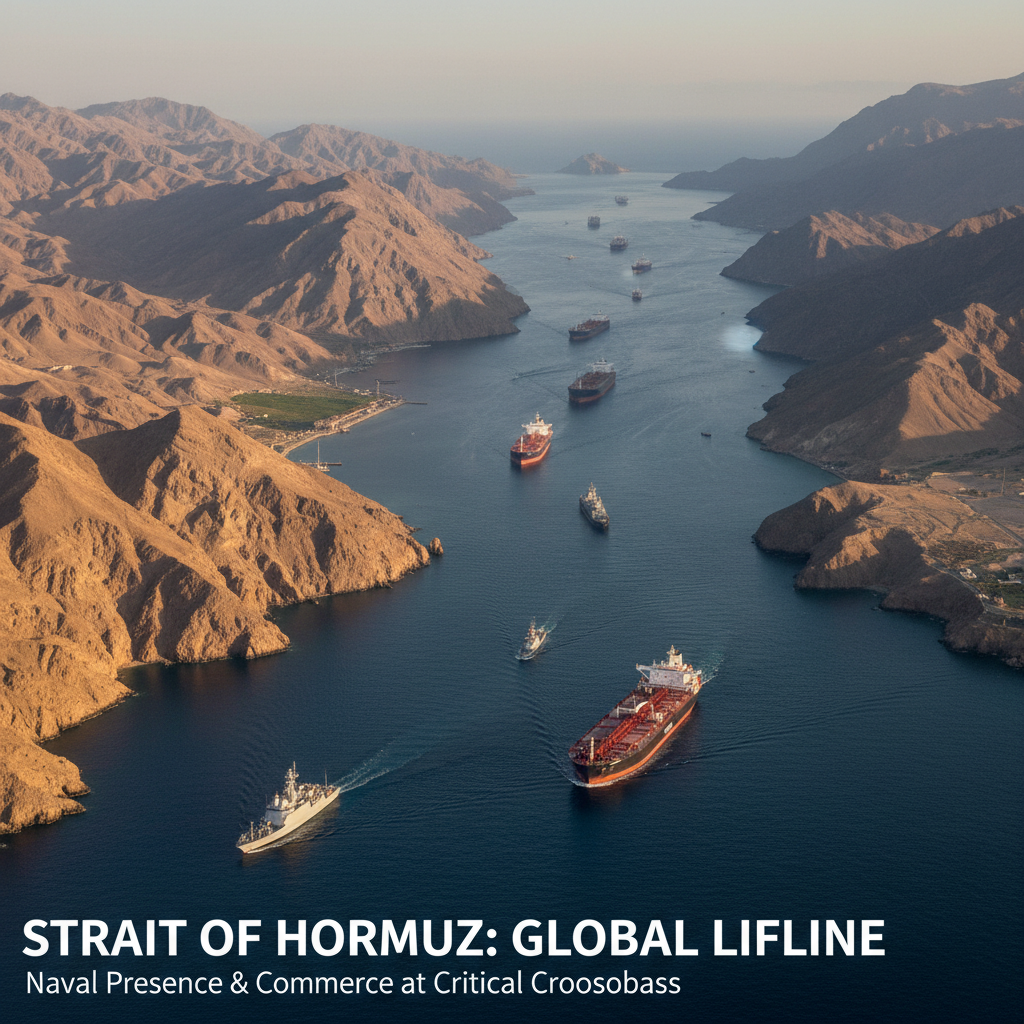
Iran has issued a stark warning to the United States, threatening to completely close the Strait of Hormuz if American forces attack the country's power plants, according to reports from Reuters and Al Jazeera. The ultimatum represents a significant escalation in tensions between the two nations and has raised immediate concerns about global energy security and economic stability.
The threat comes at a time when regional dynamics remain highly volatile, with ongoing conflicts affecting energy markets worldwide. Iran's warning specifically targets one of the world's most critical maritime chokepoints, through which a substantial portion of global oil and gas shipments pass daily.
KEY FACTS
- Strait of Hormuz handles approximately 21% of global petroleum liquids transit
- Oil prices could surge to $200 per barrel if the waterway closes
- The strait is only 21 miles wide at its narrowest point
- Philippines has declared energy emergency due to regional conflict impacts
- Previous Iranian threats to close the strait have occurred during heightened tensions
The Strait of Hormuz serves as the primary gateway between the Persian Gulf and the Gulf of Oman, making it an indispensable conduit for international energy trade. Any disruption to this waterway would have immediate and far-reaching consequences for global oil markets, potentially triggering supply shortages and dramatic price increases across multiple continents.
According to Reuters reported information, energy analysts are already expressing concerns about the potential economic ramifications of such a closure. The prospect of oil prices reaching $200 per barrel would represent more than a doubling of current market rates, creating ripple effects throughout the global economy that could affect everything from transportation costs to manufacturing expenses.
The geopolitical implications of Iran's latest threat extend beyond immediate energy concerns. The Strait of Hormuz has long been a strategic flashpoint in Middle Eastern politics, with Iran previously using the threat of closure as leverage during periods of heightened international pressure. The Islamic Republic has historically viewed control over this waterway as one of its most powerful diplomatic and military assets.
By The Numbers
The timing of this threat is particularly significant, as it emerges during a period when cease-fire talks are reportedly underway regarding various regional conflicts. The juxtaposition of diplomatic efforts alongside escalatory rhetoric highlights the complex and often contradictory nature of Middle Eastern geopolitics, where multiple parties simultaneously pursue both confrontational and conciliatory approaches.
Historical precedent suggests that Iran's threats regarding the Strait of Hormuz should be taken seriously. During the Iran-Iraq War in the 1980s, both nations attacked tankers in what became known as the Tanker War, demonstrating how regional conflicts can directly impact global energy supplies. More recently, tensions escalated in 2019 when several tankers were attacked in the region, leading to increased international naval presence and heightened security measures.
The international community's response to Iran's latest threat will likely involve a combination of diplomatic engagement and military preparedness. The United States has historically maintained a significant naval presence in the Persian Gulf precisely to ensure the free flow of commerce through this critical waterway. NATO allies and other international partners have also contributed to maritime security efforts in the region.
The economic ramifications extend far beyond oil prices alone. According to official sources, countries heavily dependent on energy imports are already implementing contingency plans to address potential supply disruptions. The Philippines has taken the extraordinary step of declaring an energy emergency, highlighting how regional conflicts in the Middle East can have immediate impacts on nations thousands of miles away.
"The potential closure could lead to a significant surge in oil prices, possibly reaching $200 a barrel" — Reuters analysis
Energy security experts note that the global economy has become increasingly interconnected, making disruptions in key transportation routes capable of triggering worldwide economic consequences. The COVID-19 pandemic and subsequent supply chain disruptions have already demonstrated how quickly localized issues can become global problems, making the current Iranian threat particularly concerning for policymakers worldwide.
The strategic importance of the Strait of Hormuz cannot be overstated in the context of global energy infrastructure. Beyond oil, the waterway also serves as a critical route for liquefied natural gas shipments, particularly important as European nations have sought to diversify their energy supplies away from Russian sources following the conflict in Ukraine. Any prolonged closure would therefore impact multiple energy sectors simultaneously.
Iran's ability to effectively close the strait remains a subject of debate among military analysts. While the country possesses various naval assets and coastal defense systems, the international community has significant capabilities to counter such actions. Previous Iranian attempts to restrict traffic in the waterway have met with robust international responses, including military escort operations for commercial vessels.
The current threat also occurs against the backdrop of ongoing international efforts to address Iran's nuclear program through diplomatic channels. The intersection of nuclear negotiations, regional security concerns, and energy market stability creates a complex web of interconnected issues that policymakers must navigate carefully to avoid unintended escalation.
Regional allies of both Iran and the United States are closely monitoring developments, as any military action could quickly expand beyond bilateral tensions to encompass broader Middle Eastern dynamics. Gulf Cooperation Council member states, which rely heavily on the strait for their own energy exports, have particular interest in maintaining the waterway's operational status while managing their relationships with all parties involved.
As diplomatic efforts continue alongside military posturing, the international community faces the challenge of balancing deterrence with de-escalation. The current situation demonstrates how quickly regional tensions can threaten global economic stability, underscoring the interconnected nature of modern geopolitics and the critical importance of maintaining open international waterways for global commerce and energy security.



