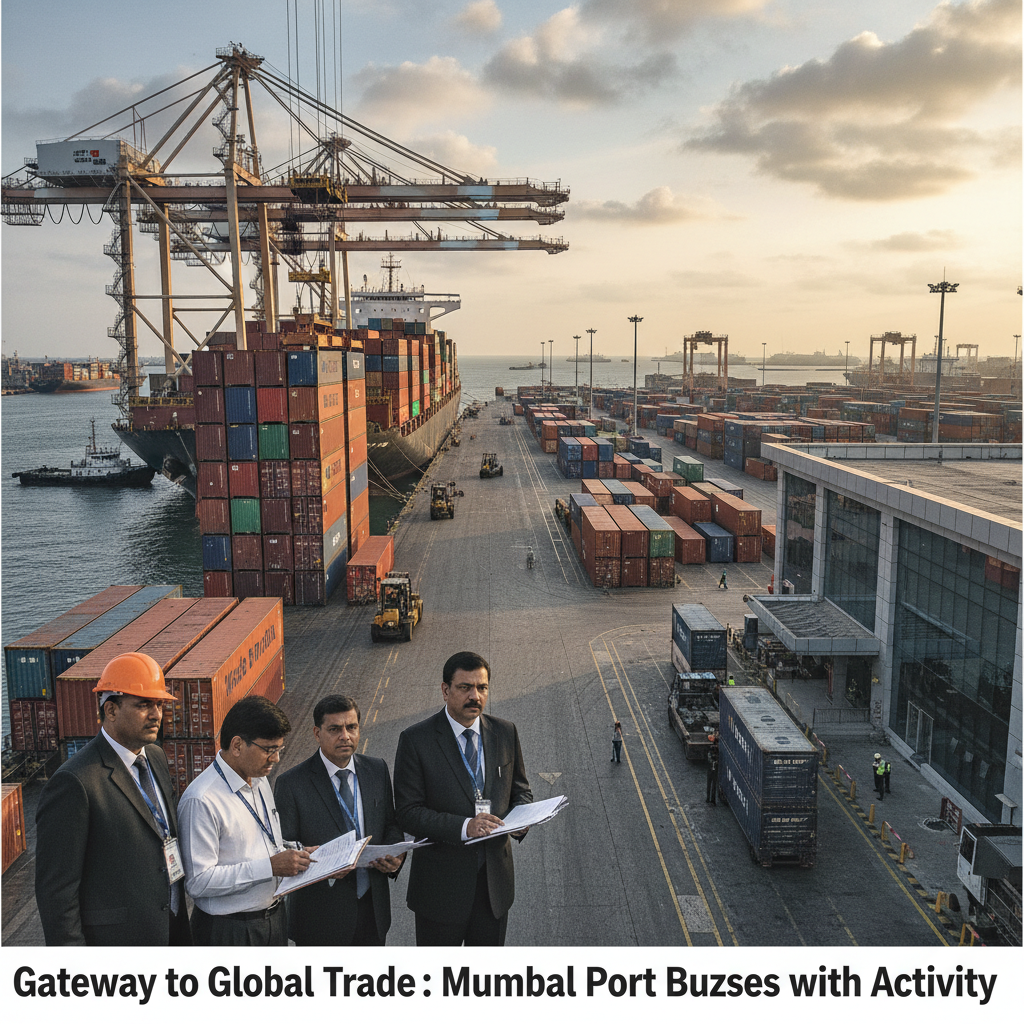
The Government of India has restored full rates and value caps under the Remission of Duties and Taxes on Exported Products (RoDTEP) Scheme for all eligible export products, effective March 23, 2026, according to the Press Information Bureau. The restoration brings back the rates that were in force as of February 22, 2026, reversing a 50 percent restriction that had been imposed just one day later on February 23.
The decision represents a significant policy reversal aimed at supporting Indian exporters who are grappling with elevated freight costs and war-related trade risks that have emerged from recent developments in West Asia, according to official sources. These geopolitical tensions have created substantial challenges in maritime logistics, disrupting traditional shipping routes and increasing operational costs for Indian exporters.
The RoDTEP scheme, launched in January 2021, replaced the earlier Merchandise Exports from India Scheme and serves as a crucial export promotion tool by reimbursing exporters for embedded central, state, and local taxes and duties that are not refunded through other mechanisms. The scheme covers a wide range of export products and provides financial relief to manufacturers by reducing their effective cost of production for export goods.
The temporary 50 percent restriction on RoDTEP rates, which lasted exactly one month, had created uncertainty among exporters during a period when they were already facing multiple headwinds. The restoration of full rates signals the government's commitment to maintaining competitiveness of Indian exports in global markets despite challenging external conditions.
India's export sector has been navigating a complex landscape marked by global supply chain disruptions and geopolitical uncertainties. The West Asian conflicts have particularly impacted maritime trade routes through the Red Sea and Suez Canal, forcing ships to take longer alternative routes around Africa. This has resulted in increased voyage times, higher fuel consumption, and elevated freight charges that directly affect the landed cost of Indian exports in destination markets.
The timing of the restoration is particularly significant as it comes during the final quarter of the fiscal year, when export performance is closely monitored by policymakers. India's merchandise exports have faced headwinds in recent months due to weak global demand and increased competition from other manufacturing hubs.
The RoDTEP scheme's design allows for periodic reviews and adjustments based on changing market conditions and fiscal considerations. The quick reversal of the restriction suggests that the government recognized the adverse impact on exporter sentiment and competitiveness during an already challenging period for global trade.
The restoration covers all eligible export products under the scheme, providing broad-based relief to various sectors including textiles, engineering goods, chemicals, and pharmaceuticals that form the backbone of India's export portfolio. This comprehensive approach ensures that no specific sector faces discriminatory treatment in accessing export incentives.
For Indian exporters, the restoration provides much-needed predictability in policy support at a time when external factors continue to create operational challenges. The decision also reflects the government's balancing act between fiscal prudence and the need to support export competitiveness in an increasingly uncertain global trade environment.