Cricket's Enduring Reign and Evolving Dynamics
Cricket remains the undisputed king of sports in India, commanding unparalleled viewership, sponsorship, and cultural significance. The Board of Control for Cricket in India (BCCI) wields considerable influence, managing the sport's vast financial resources and overseeing the national team's performance. India's consistent success in international cricket, including World Cup victories and strong showings in Test matches, has cemented its place as a cricketing powerhouse.
However, the landscape is evolving. The rise of franchise cricket, particularly the Indian Premier League (IPL), has revolutionized the sport, attracting global talent and injecting significant revenue into the Indian cricketing ecosystem. The IPL's success has also led to the emergence of new cricketing stars and provided opportunities for domestic players to showcase their skills on a global stage. Analysts note that the IPL has transformed cricket into a year-round spectacle, further solidifying its dominance in the Indian sporting market.
Despite its popularity, cricket faces challenges. Concerns about match-fixing and corruption have plagued the sport in the past, requiring constant vigilance and stringent measures to maintain its integrity. Furthermore, the overwhelming focus on cricket sometimes overshadows other sports, hindering their growth and development.
The Rise of Other Sports: A Diversifying Landscape
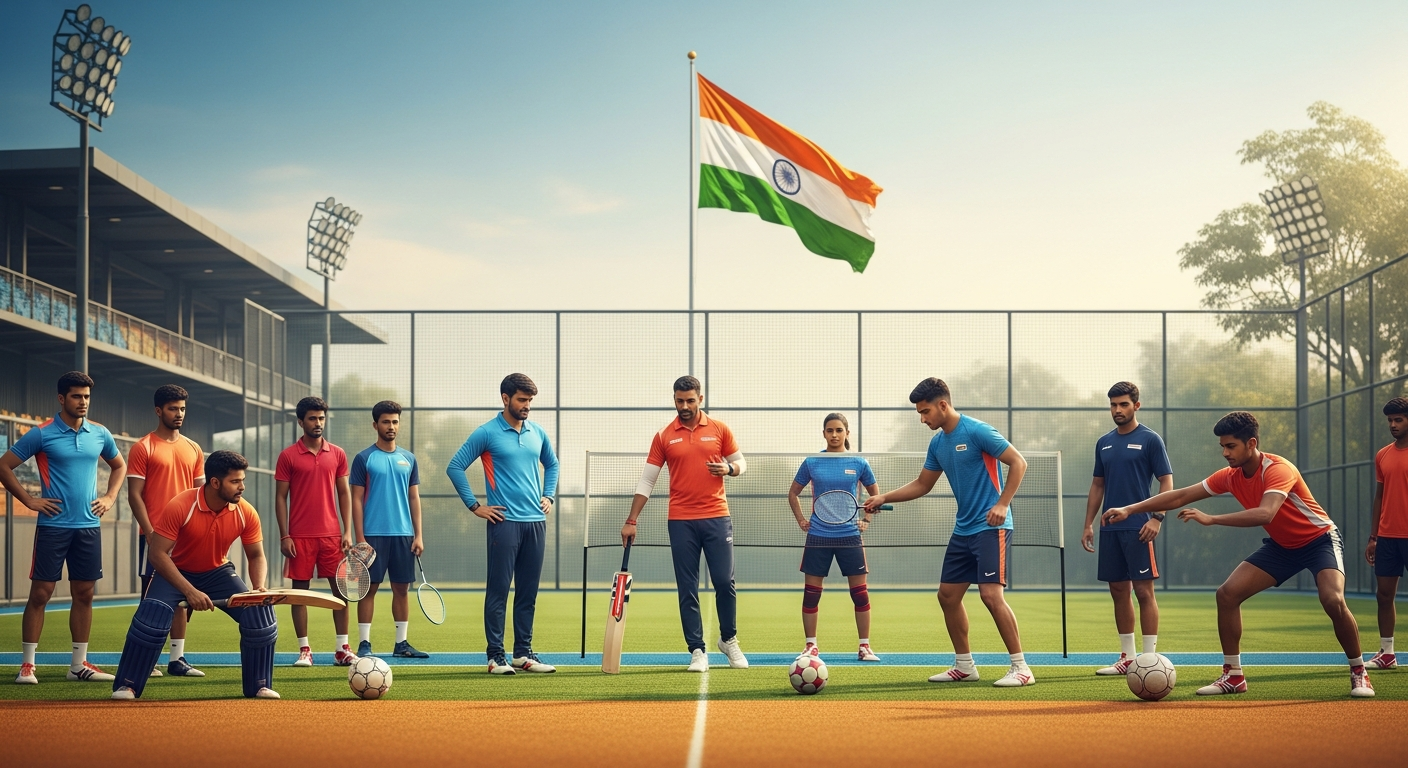
While cricket continues to dominate, other sports are steadily gaining traction in India. Football, badminton, hockey, tennis, and kabaddi are witnessing increased participation, viewership, and investment. Government initiatives, corporate sponsorships, and the emergence of professional leagues are contributing to this diversification.
Football's popularity is growing rapidly, particularly among younger generations. The Indian Super League (ISL) has attracted international players and coaches, raising the profile of the sport and improving the quality of play. While the national team still faces challenges in qualifying for major international tournaments, the growing interest in football at the grassroots level bodes well for the future. Reports indicate a significant increase in the number of football academies and training programs across the country.
Badminton has emerged as a strong contender, thanks to the success of Indian players on the international stage. Saina Nehwal and P.V. Sindhu have inspired a generation of badminton enthusiasts, and India's consistent performance in major tournaments has elevated the sport's profile. The Premier Badminton League (PBL) has further boosted its popularity, attracting top international players and providing a platform for Indian talent to shine.
Hockey, India's national sport, is undergoing a revival. After a period of decline, the national team has shown signs of improvement, winning medals at major international tournaments. Hockey India League has contributed to the sport's resurgence, attracting foreign players and improving the infrastructure. However, sustained investment and grassroots development are crucial to restore hockey to its former glory.
Kabaddi, an indigenous Indian sport, has experienced a remarkable resurgence in recent years. The Pro Kabaddi League (PKL) has transformed kabaddi into a professional sport, attracting massive viewership and sponsorship. The PKL's success has not only revived interest in kabaddi but also provided opportunities for rural talent to showcase their skills on a national stage.
Government Initiatives and Policy Support
The Indian government plays a crucial role in promoting sports development through various initiatives and policies. The Khelo India program aims to promote sports at the grassroots level by identifying and nurturing young talent. The Sports Authority of India (SAI) provides training and infrastructure support to athletes across various disciplines. According to official sources, the government has significantly increased its investment in sports infrastructure and training programs in recent years.
The government's emphasis on sports is also reflected in its efforts to host major international sporting events. India has successfully hosted events such as the Commonwealth Games, the FIFA U-17 World Cup, and the Kabaddi World Cup, showcasing its ability to organize large-scale sporting events and promoting sports tourism. The government's support for sports extends to providing financial assistance to athletes, recognizing their achievements, and promoting sports as a career option.
Challenges and Opportunities
Despite the progress made, Indian sports still face several challenges. Inadequate infrastructure, lack of access to quality training, and insufficient funding are major obstacles. Corruption and mismanagement in sports federations also hinder the development of sports. Furthermore, the lack of a strong sports culture and awareness among the general public poses a challenge.
However, there are also significant opportunities for growth. The growing economy, increasing disposable incomes, and rising awareness about health and fitness are creating a favorable environment for sports development. The emergence of new technologies, such as online streaming and social media, is providing new avenues for sports promotion and engagement. Furthermore, the increasing participation of women in sports is a positive trend that needs to be encouraged and supported.
The Path Ahead: Building a Sporting Nation
India's sporting future holds immense promise. By addressing the challenges and capitalizing on the opportunities, India can transform itself into a sporting powerhouse. Increased investment in sports infrastructure, grassroots development programs, and athlete training is crucial. Strengthening sports governance, promoting transparency and accountability, and fostering a strong sports culture are essential. Furthermore, encouraging private sector participation, promoting sports tourism, and leveraging technology can accelerate the growth of sports in India.
The success of Indian athletes on the international stage inspires millions and promotes national pride. By creating a supportive ecosystem for sports development, India can unlock its sporting potential and achieve greater success in the global arena. The journey towards becoming a sporting nation requires a collective effort from the government, sports federations, athletes, coaches, and the general public.



