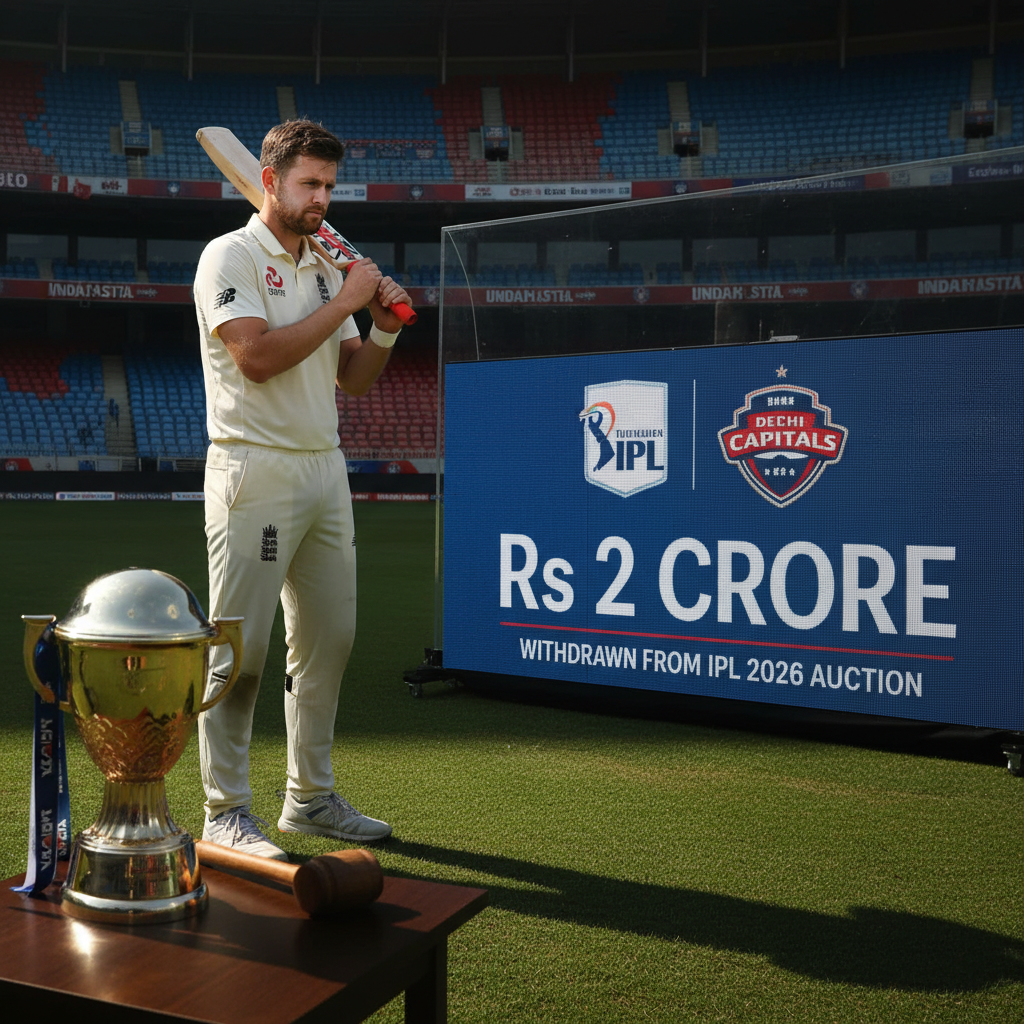
England opening batsman Ben Duckett has withdrawn from the Indian Premier League 2026, just days after being purchased by Delhi Capitals for Rs 2 crore at the recent auction. The left-handed batsman has cited his desire to focus on Test cricket as the primary reason for his decision, marking another instance of international players prioritizing longer-format commitments over lucrative T20 franchise opportunities.
Duckett, who has established himself as a key figure in England's Test batting lineup in recent years, issued an apology to Delhi Capitals for his late withdrawal. The decision comes at a time when the 30-year-old is looking to cement his position in England's Test team, particularly with several challenging series on the horizon.
KEY FACTS
- Ben Duckett was purchased by Delhi Capitals for Rs 2 crore at IPL 2026 auction
- The England opener has withdrawn to focus on Test cricket commitments
- Duckett could face a ban under IPL rules for post-auction withdrawal
- He has apologized to Delhi Capitals for his decision
- The withdrawal affects Delhi Capitals' overseas player planning for the 2026 season
The withdrawal places Duckett in potential violation of IPL regulations, which typically impose disciplinary measures on players who opt out after being selected at auction. These rules were established to maintain the integrity of the auction process and ensure franchises can plan their squads effectively. Players who withdraw without valid medical or family emergency reasons often face temporary bans from future auctions, though the specific penalties can vary based on the circumstances and timing of the withdrawal.
Duckett's decision reflects a broader trend among established international players who are increasingly selective about their T20 franchise commitments. The demanding cricket calendar, which features overlapping international and domestic competitions, has forced many players to make difficult choices about their priorities. For Duckett, who has worked hard to establish himself in England's Test team after years on the periphery, maintaining his red-ball form appears to take precedence over the financial rewards of IPL participation.
The timing of Duckett's withdrawal is particularly significant for Delhi Capitals, who would have factored his availability into their strategic planning for the upcoming season. The franchise, which has consistently been among the top performers in recent IPL editions, now faces the challenge of finding a suitable replacement or adjusting their team composition. The IPL's replacement player mechanism allows teams to bring in substitutes, but options may be limited depending on the available player pool and salary cap constraints.
By The Numbers
Duckett's rise in international cricket has been one of the more compelling stories in recent English cricket. After making his Test debut in 2016, he endured a prolonged period away from the national team before successfully reinventing himself as an aggressive opening batsman. His attacking approach has become integral to England's 'Bazball' philosophy under captain Ben Stokes and head coach Brendon McCullum, making his Test position increasingly valuable.
The left-handed opener has been particularly effective in challenging conditions, with his ability to counterattack and unsettle opposition bowling attacks becoming a key weapon in England's Test strategy. His recent performances in home and away series have solidified his position in the team, making the decision to prioritize Test cricket over IPL participation a calculated career move.
For Delhi Capitals, Duckett's withdrawal represents both a setback and an opportunity to reassess their strategy. The franchise has built its recent success on a combination of experienced international stars and emerging Indian talent. While losing Duckett disrupts their initial plans, it also provides flexibility to pursue alternative options or invest more heavily in their existing squad members.
The broader implications of such withdrawals extend beyond individual franchises to the IPL's overall ecosystem. The league's continued growth and global appeal depend partly on attracting and retaining top international talent. When established players withdraw, it can impact the competitive balance and commercial appeal of the tournament, though the IPL's depth of talent typically ensures that quality replacements are available.
Cricket administrators and franchise officials have long grappled with the challenge of managing player workload across formats and competitions. The modern cricket calendar's congested nature means players must often choose between different opportunities, with financial, career, and personal factors all playing a role in these decisions. Duckett's choice to prioritize Test cricket over IPL participation reflects the ongoing tension between international commitments and franchise cricket obligations.
The potential disciplinary action against Duckett will likely be determined by the IPL governing council, which considers various factors when reviewing such cases. Previous instances have seen players receive bans ranging from one to two years, though circumstances such as the timing of withdrawal, communication with franchises, and underlying reasons all influence the final decision.
Delhi Capitals' management will now turn their attention to identifying suitable replacements or adjusting their team strategy for the 2026 season. The franchise's strong track record in player development and strategic planning suggests they will adapt effectively to this setback, though Duckett's specific skills as an aggressive opening batsman will be difficult to replicate exactly.
The incident also highlights the evolving relationship between international cricket boards and franchise leagues. While these competitions generally coexist successfully, scheduling conflicts and player availability issues continue to create challenges that require careful management from all stakeholders involved in the global cricket ecosystem.