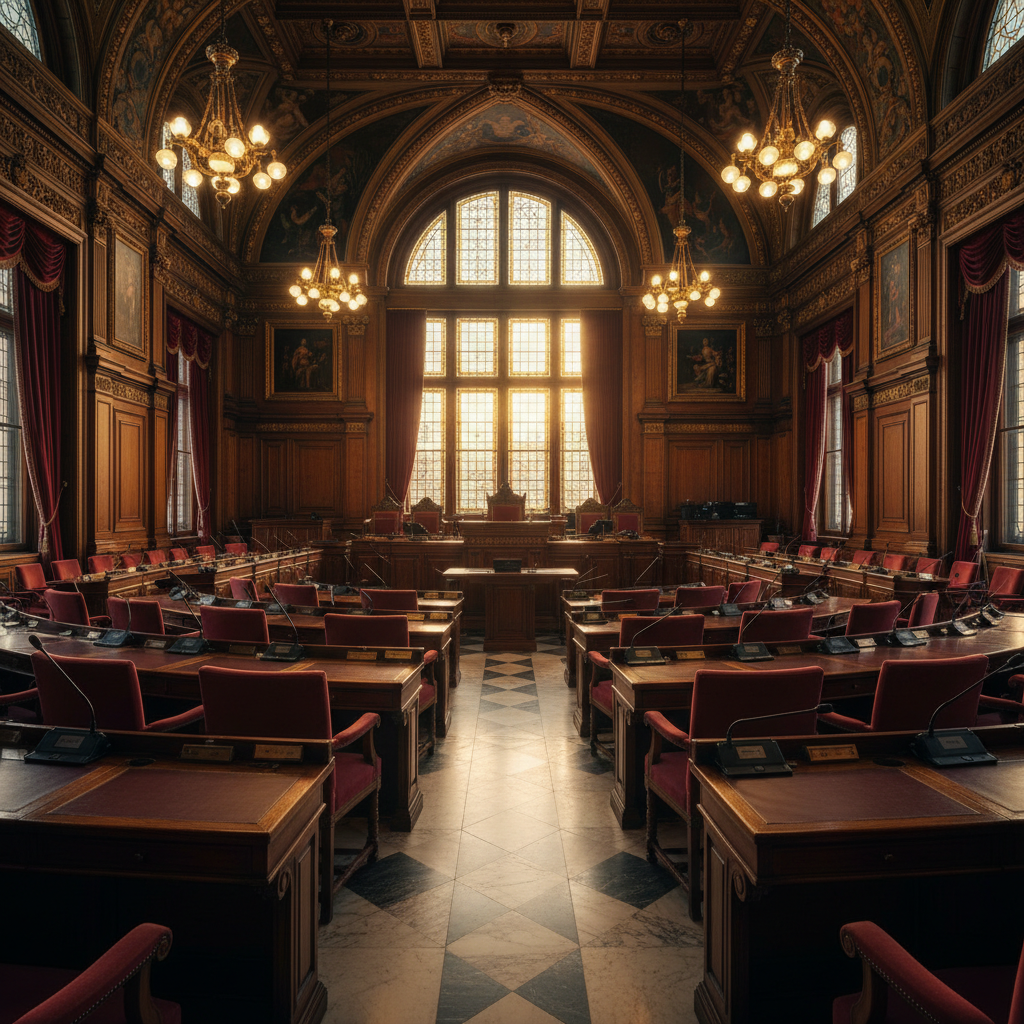
Parliamentary Strategy to Fast-Track Women's Political Participation
The Modi government is preparing to introduce legislation in Parliament that would implement the women's reservation law before the next delimitation exercise, according to reports from Mint. This strategic decision represents a significant step toward increasing female representation in both the Lok Sabha and state legislative assemblies across India.
The timing of this initiative is particularly noteworthy, as it positions the implementation ahead of the constitutionally mandated delimitation process, which could potentially reshape electoral constituencies based on updated census data. By advancing the women's reservation law first, the government appears to be ensuring that enhanced female representation becomes embedded in India's electoral framework before any boundary reorganization takes place.
Historical Context of Women's Reservation in Indian Politics
The journey toward women's reservation in Indian legislatures has been decades in the making. The Women's Reservation Bill, formally known as the Constitution (108th Amendment) Bill, was first introduced in the Rajya Sabha in 1996 during the United Front government led by H.D. Deve Gowda. The bill proposed reserving 33 percent of seats in the Lok Sabha and state legislative assemblies for women.
Over the years, the bill faced numerous political hurdles and was reintroduced multiple times in different forms. It passed the Rajya Sabha in 2010 during the UPA government but failed to clear the Lok Sabha due to strong opposition from several regional parties who demanded sub-reservations within the women's quota for Other Backward Classes (OBC) and minority women.
The legislation remained in political limbo for over a decade until the Modi government successfully navigated it through both houses of Parliament in 2023, marking a historic achievement in Indian parliamentary history. The bill, now renamed the Nari Shakti Vandan Adhiniyam, received presidential assent and became law, though its implementation remained pending.
Delimitation Exercise and Its Implications
The delimitation exercise, which involves redrawing electoral constituency boundaries based on the latest census data, has been a contentious issue in Indian politics. The last delimitation was conducted in 2008 based on the 2001 census, and the next one was originally scheduled after the 2011 census but has been delayed multiple times.
The Constitution mandates that delimitation should be based on the first census conducted after 2026, which would likely be based on population data from around 2031. However, there has been ongoing political debate about whether to use the 2011 census data for an earlier delimitation exercise or wait for future census data.
Southern states, which have successfully controlled their population growth, have expressed concerns about delimitation based on current population figures, as it could result in a reduction of their parliamentary seats relative to northern states with higher population growth rates. This demographic reality has created a complex political dynamic around the timing and methodology of delimitation.
Strategic Timing and Political Calculations
By implementing women's reservation before delimitation, the Modi government appears to be addressing multiple strategic considerations. First, it ensures that the reservation system is established within the current constituency framework, avoiding potential complications that might arise from simultaneous implementation of both major electoral reforms.
Second, the move could help the government demonstrate concrete progress on gender representation in politics, a issue that has gained increased attention both domestically and internationally. India currently ranks poorly in global indices measuring women's political participation, with female representation in the Lok Sabha hovering around 14 percent in recent elections.
The 2029 timeline mentioned in reports suggests that the implementation could align with the next general election cycle, potentially making it a significant electoral promise fulfilled by the ruling party. This timing would allow the BJP to campaign on having delivered on a long-pending promise that previous governments failed to implement.
Challenges in Implementation Framework
Implementing women's reservation involves complex logistical and legal challenges that extend beyond simple parliamentary approval. The system requires a rotation mechanism to ensure that different constituencies are reserved for women candidates in successive elections, preventing the creation of permanently designated 'women's seats.'
The Election Commission of India will need to develop detailed guidelines for the reservation system, including criteria for selecting which constituencies will be reserved in each election cycle. This process must ensure geographic distribution and prevent any systematic bias in the selection of reserved constituencies.
Additionally, political parties will need to adapt their candidate selection processes and organizational structures to accommodate the new requirements. This includes developing mechanisms to identify, train, and support women candidates who can effectively contest elections in reserved constituencies.
Impact on Political Party Dynamics
The implementation of women's reservation is likely to significantly alter the internal dynamics of political parties across India. Parties will need to invest more heavily in developing women leaders and creating pathways for their advancement within party hierarchies.
Regional parties, which have traditionally been more resistant to women's reservation, will be compelled to adapt their strategies and candidate selection processes. Some parties that have historically relied on dynastic politics or patron-client relationships may find their traditional methods challenged by the new requirements.
The reservation system could also lead to increased competition among parties to project themselves as champions of women's empowerment, potentially leading to more comprehensive policy platforms addressing gender-related issues beyond just political representation.
Broader Implications for Indian Democracy
The successful implementation of women's reservation could serve as a catalyst for broader democratic reforms in India. Increased female representation in legislatures may lead to greater attention to issues traditionally overlooked in male-dominated political spaces, including healthcare, education, domestic violence, and economic empowerment.
Research from other countries with similar reservation systems suggests that women legislators often prioritize different policy areas and bring distinct perspectives to governance. This could potentially influence India's policy priorities and legislative agenda in meaningful ways.
The move also aligns with India's international commitments to gender equality and could enhance the country's standing in global forums where women's political participation is increasingly seen as a measure of democratic maturity.
As the Modi government prepares to introduce the implementing legislation, the success of this initiative will depend largely on the political consensus it can build across party lines and the practical mechanisms it establishes for smooth execution. The 2029 target represents not just an electoral milestone but a potentially transformative moment for Indian democracy, marking the beginning of a new era where women's voices carry substantially more weight in the country's legislative chambers.