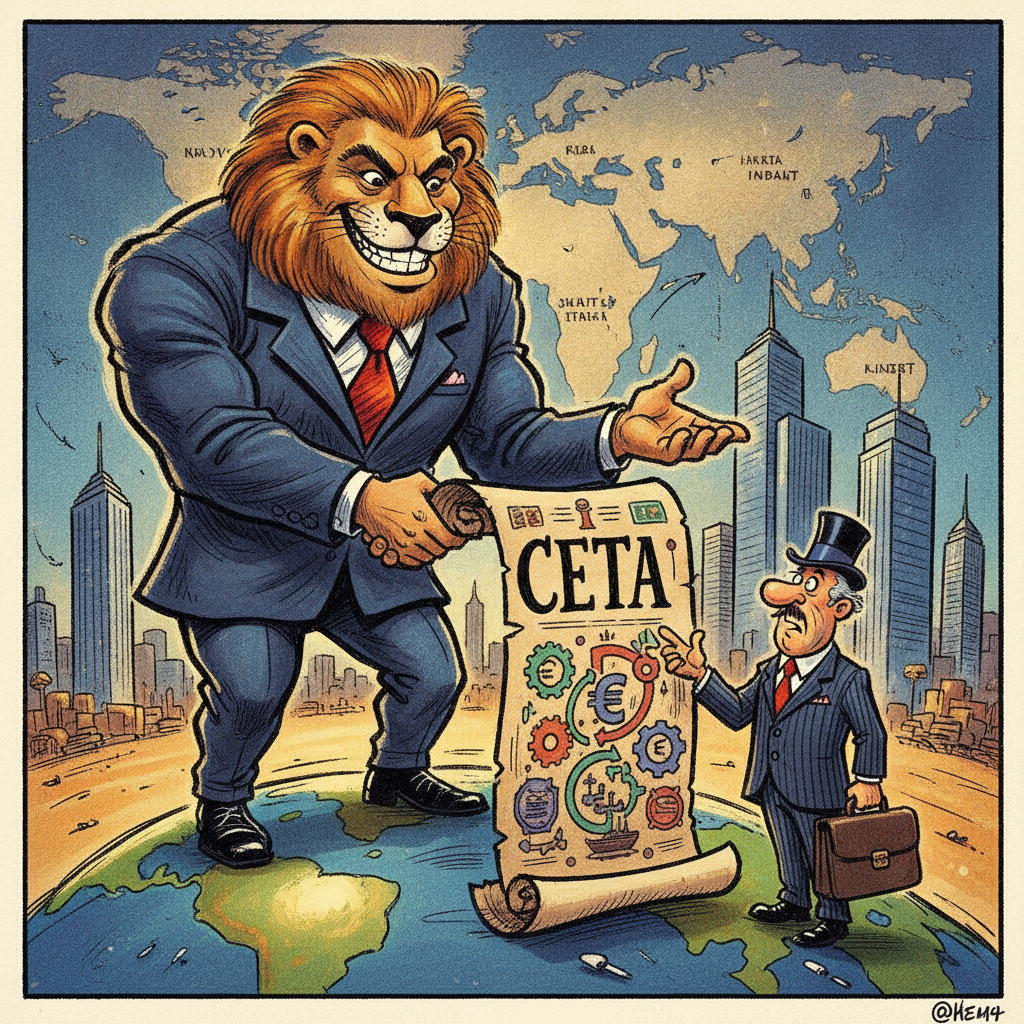
New Delhi – The Comprehensive Economic and Trade Agreement (CETA) between India and the United Kingdom officially came into effect on July 15, 2026, heralding a new chapter in bilateral economic relations and underscoring India's assertive stance in global trade. This landmark agreement, the culmination of years of meticulous negotiations, is poised to unlock substantial economic opportunities for both nations, aligning seamlessly with India's vision for a 'Viksit Bharat' by 2047.
The operationalisation of CETA represents a significant diplomatic and economic achievement for the current government, demonstrating its commitment to forging robust international partnerships that serve India's national interests. From its inception, the agreement was envisioned as a transformative pact, designed not merely to facilitate trade but to deepen strategic cooperation and foster mutual prosperity across diverse sectors.
A Decisive Step in India's Global Economic Outreach
The journey towards CETA's implementation commenced with negotiations in January 2022. Over a period of more than three years, both sides engaged in 14 rigorous rounds of discussions, culminating in the successful conclusion of talks on May 6, 2025. This sustained diplomatic effort, marked by intricate deliberations on market access, regulatory frameworks, and intellectual property rights, underscored the complexity and comprehensive nature of the agreement.
The formal signing ceremony took place on July 24, 2025, in London, a moment witnessed by Prime Minister Modi and his UK counterpart, Prime Minister Starmer, signifying the highest level of political commitment from both nations. Commerce Minister Piyush Goyal and UK Secretary Jonathan Reynolds were the principal signatories, cementing a pact that has been lauded as India's “most aspirational trade deal” and the UK's “most economically significant FTA since Brexit.” This dual characterisation highlights the profound strategic importance attributed to CETA by both economic powerhouses, positioning it as a cornerstone of their future bilateral relationship.
KEY FACTS
- CETA became effective: July 15, 2026
- Negotiations began: January 2022
- Negotiation rounds concluded: 14
- India's tariff concessions: 89.5% of tariff lines
- DCC estimated annual savings: USD 600 million
For India, the CETA is a testament to its growing economic heft and its proactive engagement in shaping a new global economic order. It reflects a strategic pivot towards strengthening trade ties with developed economies, diversifying its export markets, and integrating deeper into global value chains. The meticulous approach adopted during negotiations ensured that India's core interests, particularly concerning market access for its goods and services, and the welfare of its professionals, were robustly protected and advanced. This agreement is a clear indicator of India's confidence in its economic capabilities and its readiness to engage with the world on its own terms, securing advantageous outcomes for its national interest.
Unlocking New Avenues for Trade and Services
At its core, CETA is designed to significantly reduce trade barriers, specifically aiming to cut tariffs on thousands of goods and widen access for services firms and professionals across both economies. India has demonstrated a substantial commitment to this liberalisation, offering tariff concessions on an impressive 89.5% of its tariff lines, which collectively cover 91% of UK exports. This comprehensive offer is expected to make Indian goods more competitive in the UK market, ranging from textiles and apparel to agricultural products and manufactured items, thereby boosting India's export potential and supporting the 'Make in India' initiative.
The reciprocal tariff reductions are anticipated to stimulate bilateral trade volumes significantly, fostering a more dynamic and integrated marketplace. Beyond goods, the agreement's emphasis on services is particularly crucial for India. As a global leader in information technology, business process outsourcing, and various professional services, India's services sector stands to gain substantially from enhanced access to the UK market. This aligns perfectly with India's ambition to become a global services hub and to leverage its demographic dividend by exporting high-value services.
By The Numbers
The CETA is poised to create new opportunities for Indian businesses, fostering innovation, encouraging foreign direct investment, and generating employment across various sectors. The reduction in non-tariff barriers and the harmonisation of regulatory standards will streamline trade processes, making it easier for Indian enterprises, especially MSMEs, to access the UK market. This strategic opening is expected to drive economic growth, enhance competitiveness, and integrate India more deeply into global supply chains, thereby strengthening its position as a resilient and reliable trading partner.
"Described as India's 'most aspirational trade deal' and the UK's most economically significant FTA since Brexit, it aims to cut tariffs on thousands of goods and widen access for services firms and professionals." — Official Statement
Empowering Professionals and Strengthening Bilateral Ties
A particularly noteworthy aspect of the CETA is the Double Contribution Convention (DCC), which became effective alongside the main agreement. This convention is a significant victory for India's skilled workforce, addressing a long-standing concern for Indian professionals working in the UK. The DCC is estimated to save approximately USD 600 million annually for over 75,000 Indian professionals on temporary assignments in the UK. This specific provision directly benefits Indian citizens by reducing their financial burden and facilitating greater mobility for skilled workers, a cornerstone of India's human capital strength.
The inclusion and successful negotiation of the DCC underscore the government's commitment to ensuring that trade agreements translate into tangible benefits for its citizens. It reflects a human-centric approach to foreign policy, where the welfare and opportunities for Indian professionals abroad are given paramount importance. This provision is expected to further enhance the flow of talent and expertise between the two nations, strengthening cultural and professional ties.
Beyond its immediate economic benefits, the CETA is a strategic partnership that deepens the historical and cultural ties between India and the UK. It reflects a shared commitment to a rules-based international trading system, mutual prosperity, and collaboration on global challenges. This agreement positions India as a reliable and attractive partner for developed economies, reinforcing its diplomatic standing on the global stage. It is a clear indicator of India's growing confidence in its economic capabilities and its readiness to engage with the world on its own terms, securing advantageous outcomes for its national interest. The deal serves as a model for future engagements, showcasing India's potential as a global economic powerhouse and a preferred investment destination.
Paving the Way for Viksit Bharat 2047
The operationalisation of the India-UK CETA is a crucial component of India's broader economic strategy, directly contributing to the ambitious vision of Viksit Bharat 2047 – a developed India. By opening new markets and attracting investments, the agreement provides a significant impetus to the 'Make in India' initiative, encouraging domestic manufacturing, boosting production capabilities, and accelerating export growth. The enhanced access for services firms aligns seamlessly with the 'Digital India' and 'Startup India' missions, fostering innovation, technological advancement, and the growth of India's vibrant entrepreneurial ecosystem.
This landmark agreement is expected to stimulate robust economic growth, create a multitude of employment opportunities across various sectors, and integrate India more deeply and advantageously into global supply chains. It signifies a proactive and confident approach to economic diplomacy, where India is not merely a participant but an active shaper of global trade norms and agreements. The successful conclusion and implementation of such a complex and ambitious agreement demonstrate the government's capacity to deliver on its promises and navigate intricate international negotiations with strategic foresight.
The CETA, therefore, is more than just a trade deal; it is a strategic enabler for India's journey towards becoming a developed nation by 2047. It reinforces India's position as a confident, influential, and indispensable player in the global economic order, capable of forging mutually beneficial partnerships that drive national progress and prosperity. This agreement sets a precedent for future trade engagements, showcasing India's commitment to economic liberalisation and its unwavering pursuit of global leadership.