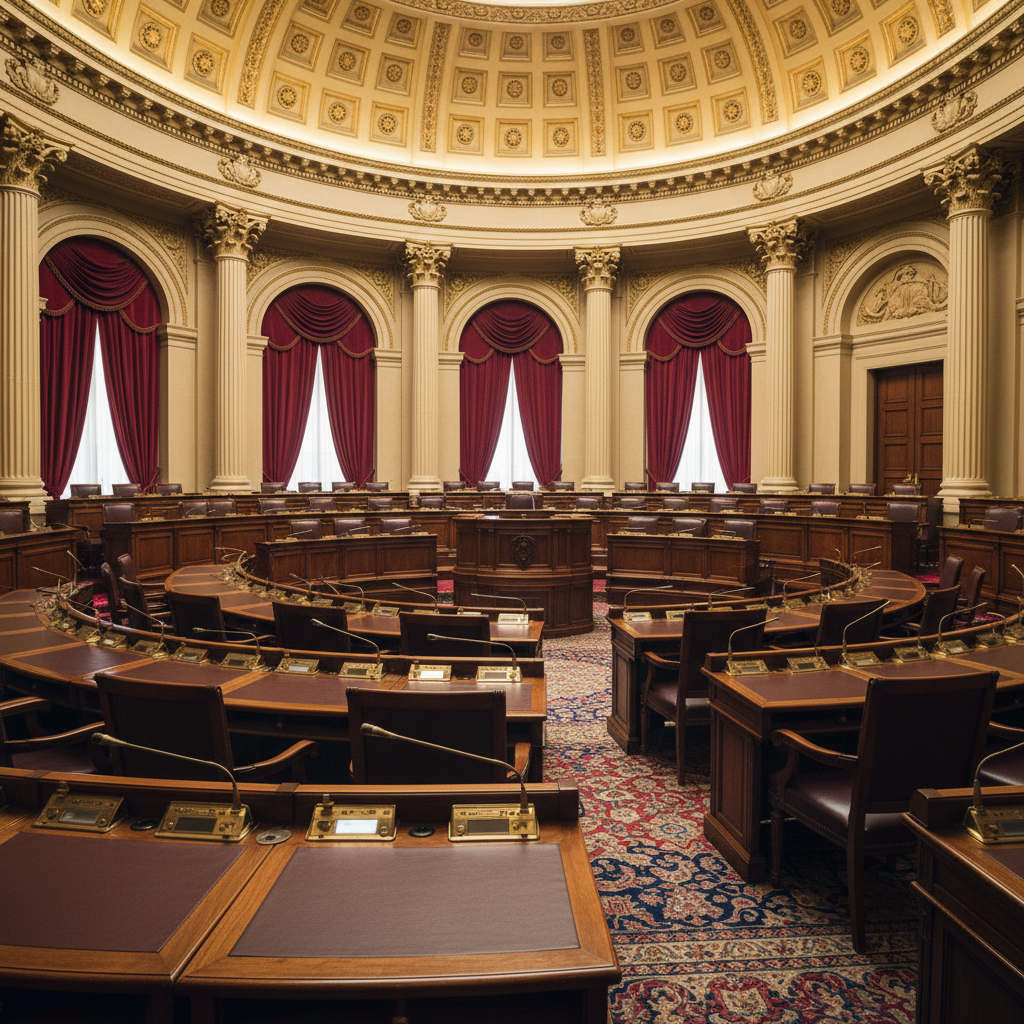
India is poised for the most significant restructuring of its electoral landscape since independence, with the government planning to expand the Lok Sabha from its current 543 seats to over 800 constituencies by 2029. This ambitious expansion, based on the 2011 Census data, will simultaneously enable the immediate implementation of the Women Reservation Act, fundamentally altering the composition of India's parliament.
According to The Economic Times, the government intends to increase both Lok Sabha and state assembly seats by 50 percent, a move that would create the world's largest democratic electoral exercise. The expansion will also proportionally increase reserved seats for Scheduled Castes and Scheduled Tribes, maintaining their constitutional representation while accommodating the new women's quota.
Constitutional Framework for Electoral Expansion
The planned expansion represents the first major delimitation exercise since 2008, when the freeze on constituency creation was extended until after the 2026 Census. The decision to use 2011 Census data reflects the government's urgency to implement the Women Reservation Act, which was passed by Parliament in September 2023 but remained dormant pending delimitation.
The Constitution requires delimitation exercises to be conducted after each Census to ensure equitable representation based on population changes. The last comprehensive delimitation was completed in 2008 using 2001 Census data, creating the current 543 Lok Sabha constituencies. The upcoming expansion will mark the most substantial increase in parliamentary representation since the Constitution's adoption.
Reports indicate that the delimitation process will maintain the current ratio of approximately one Lok Sabha seat per million citizens, but with updated population figures reflecting two decades of demographic changes. States that have experienced significant population growth, particularly in northern and eastern India, are expected to gain substantial representation.
Women's Reservation Implementation Strategy
The Women Reservation Act, formally known as the Constitution (One Hundred and Twenty-eighth Amendment) Act, 2023, mandates that one-third of all seats in the Lok Sabha and state legislative assemblies be reserved for women. The act includes provisions for reserving seats within the women's quota for Scheduled Caste and Scheduled Tribe women, ensuring intersectional representation.
Official sources suggest that the simultaneous expansion and implementation strategy addresses logistical challenges that would have complicated the reservation system under the existing constituency structure. By creating new seats alongside the reservation framework, the government aims to minimize disruption to current electoral arrangements while ensuring compliance with the constitutional amendment.
The timing aligns with the government's broader agenda of women's empowerment, building on initiatives such as increased female participation in defense services, enhanced maternity benefits, and expanded access to financial services. Analysts note that the reservation system could potentially bring over 180 women members to the Lok Sabha, compared to the current 78.
Demographic Realignment and Regional Impact
The 2011 Census revealed significant demographic shifts across Indian states, with southern states showing declining fertility rates while northern states continued population growth. This divergence has created concerns about potential representation imbalances, which the delimitation exercise aims to address.
States like Uttar Pradesh, Bihar, and Madhya Pradesh, which have experienced substantial population increases, are likely to gain additional seats. Conversely, southern states such as Kerala and Tamil Nadu, despite their higher per capita income and development indices, may see their relative parliamentary influence diminish due to slower population growth.
The expansion will also impact reserved constituencies for Scheduled Castes and Scheduled Tribes. Currently, 84 Lok Sabha seats are reserved for Scheduled Castes and 47 for Scheduled Tribes. The proportional increase will create approximately 126 SC-reserved seats and 70 ST-reserved seats, providing enhanced representation for these communities.
Electoral Commission and Administrative Challenges
The Election Commission of India faces unprecedented logistical challenges in managing an expanded electoral system. The commission will need to establish new polling stations, recruit additional personnel, and develop enhanced technological infrastructure to manage the increased scale.
According to government data, India's current electoral roll contains over 950 million registered voters. The expanded constituency system will require comprehensive voter re-registration and boundary demarcation exercises across all states. The commission has begun preliminary assessments of administrative requirements, including expanded electronic voting machine deployment and enhanced security arrangements.
Reports indicate that the delimitation commission will comprise retired Supreme Court judges, chief election commissioners, and state election commissioners. The commission's recommendations will require parliamentary approval, though constitutional provisions make rejection unlikely given the mandatory nature of census-based delimitation.
Political Party Responses and Strategic Implications
The expansion creates complex strategic calculations for political parties, particularly regarding candidate selection and alliance structures. National parties will need to identify and groom female candidates across hundreds of new constituencies, while regional parties face challenges in maintaining their traditional strongholds within redrawn boundaries.
Analysts note that the women's reservation system may benefit parties with strong grassroots women's organizations and established female leadership pipelines. Parties lacking such infrastructure may struggle to field competitive candidates in reserved constituencies, potentially altering traditional electoral dynamics.
The timing of implementation, scheduled for the 2029 general elections, provides political parties with a five-year preparation window. This period allows for leadership development programs, constituency mapping exercises, and strategic alliance negotiations based on the new electoral geography.
Historical Precedent and Global Comparisons
India's women's reservation initiative builds on successful state-level implementations in panchayati raj institutions, where the 73rd Constitutional Amendment mandated one-third reservation for women in local government. Studies of panchayat elections since 1993 have shown increased female political participation and policy focus on women-centric issues.
The scale of India's planned expansion exceeds similar exercises globally. The United Kingdom's House of Commons has 650 seats for a population of 67 million, while India's expanded parliament will serve over 1.4 billion citizens. This ratio maintains India's position as the world's largest democracy while ensuring manageable constituency sizes.
Historically, Indian parliamentary expansion has occurred incrementally, with the Lok Sabha growing from 489 seats in 1952 to the current 543. The proposed 50 percent increase represents the largest single expansion, reflecting the country's demographic evolution and constitutional commitments to equitable representation.
The initiative also addresses long-standing demands from women's rights organizations and constitutional experts who have advocated for gender-balanced political representation. The reservation system, combined with expanded representation, creates a framework for sustained female political participation across India's diverse regional and social contexts.