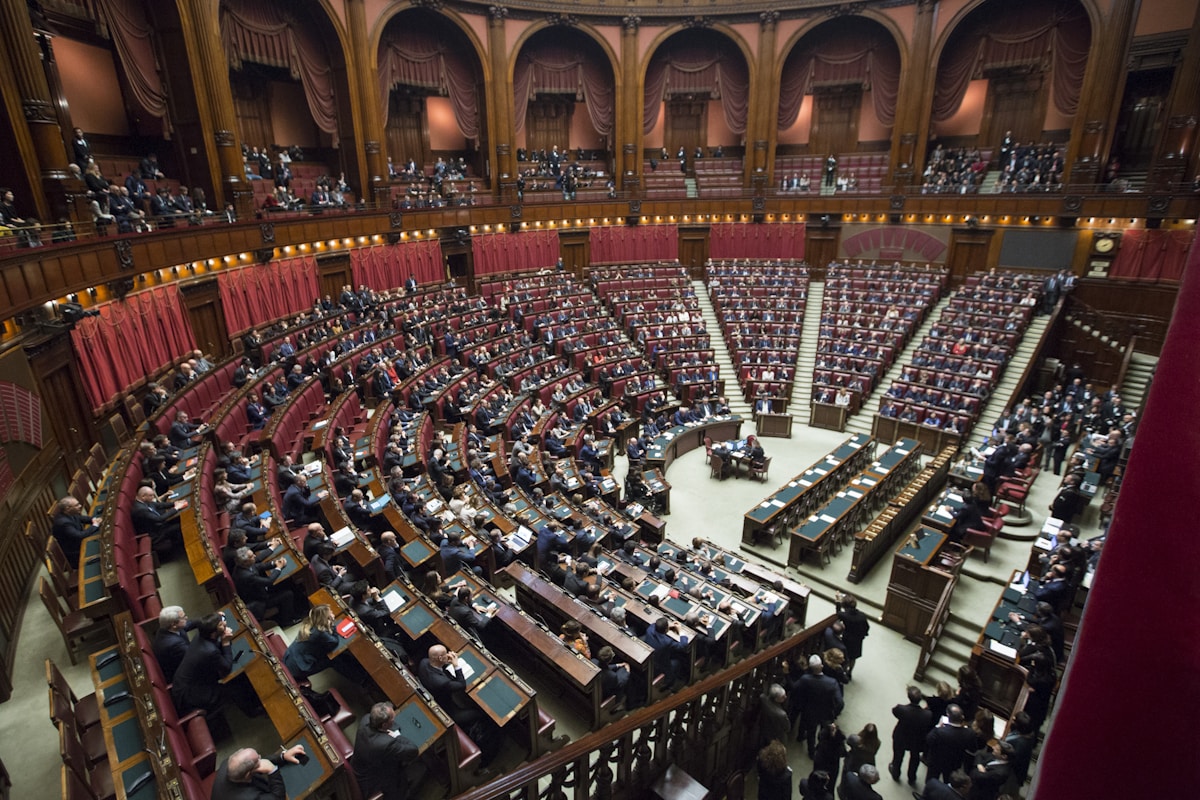
Parliamentary Deliberations on West Asia
The Lok Sabha recently convened to discuss the ongoing conflict in West Asia, a region of critical geopolitical importance to India. Prime Minister Narendra Modi addressed the house, outlining India's stance on the matter and emphasizing the need for peaceful resolution through dialogue and diplomacy. The parliamentary session provided a platform for a comprehensive review of the situation and a discussion of potential strategies for India to navigate the complex dynamics of the region.
Prime Minister's Emphasis on Dialogue and Diplomacy
Prime Minister Modi's address underscored India's long-standing commitment to peaceful conflict resolution. His emphasis on dialogue and diplomacy reflects a consistent approach in India's foreign policy, particularly in regions experiencing instability. This approach aligns with India's broader strategy of promoting stability and cooperation in its extended neighborhood. The Prime Minister's statement served to reiterate India's position as a proponent of peaceful means in international relations, a stance that has been historically maintained across different administrations.
Opposition's Restrained Response
The opposition's response, led by Priyanka Gandhi Vadra, was notably restrained during the Prime Minister's statement. This measured approach suggests a shared understanding of the gravity of the situation in West Asia and the need for a unified national stance. While political differences often characterize parliamentary debates, the opposition's subdued response in this instance indicates a recognition of the potential implications of the conflict for India's interests and regional stability. This level of consensus, even if tacit, can be crucial in formulating a coherent and effective foreign policy response.
Historical Context of India's West Asia Policy
India's engagement with West Asia has deep historical roots, shaped by trade, cultural exchange, and strategic considerations. For centuries, the region has been a vital source of energy, a key trading partner, and a significant destination for Indian expatriates. India's approach to West Asia has traditionally been characterized by a non-aligned stance, seeking to maintain friendly relations with all countries in the region. This policy has allowed India to play a constructive role in mediating disputes and promoting stability. The current conflict presents a complex challenge to this approach, requiring a delicate balancing act to protect India's interests while upholding its commitment to peaceful resolution.
Economic Implications for India
The conflict in West Asia carries significant economic implications for India. The region is a major source of India's energy imports, and any disruption to supply lines can have a direct impact on the Indian economy. Furthermore, a large number of Indian expatriates reside and work in West Asia, and their remittances contribute significantly to India's foreign exchange reserves. Instability in the region can jeopardize their safety and livelihoods, leading to potential economic repercussions for India. Therefore, India has a vested interest in promoting stability and preventing further escalation of the conflict.
Strategic Implications for India's Security
Beyond the economic considerations, the conflict in West Asia also has strategic implications for India's security. The region is located at the crossroads of major geopolitical interests, and instability there can have ripple effects across the wider region, including South Asia. India has been actively involved in counter-terrorism efforts and maritime security initiatives in the Indian Ocean, and the conflict in West Asia can potentially exacerbate existing security challenges. A stable and secure West Asia is therefore essential for India's overall security interests.
India's Role in Regional Diplomacy
Given its historical ties, economic interests, and strategic concerns, India has a significant role to play in regional diplomacy. India's non-aligned stance and its commitment to peaceful resolution make it a credible interlocutor in the region. India can leverage its relationships with various countries in West Asia to promote dialogue and de-escalation. Furthermore, India can work with international partners to support humanitarian efforts and contribute to long-term peacebuilding initiatives. The Prime Minister's emphasis on dialogue and diplomacy underscores India's willingness to play a constructive role in addressing the conflict.
Potential Challenges and Obstacles
Despite India's efforts, there are potential challenges and obstacles to its diplomatic initiatives. The conflict in West Asia is deeply rooted in historical grievances and complex geopolitical dynamics, making it difficult to achieve a quick resolution. Furthermore, the involvement of multiple external actors with conflicting interests adds another layer of complexity. India will need to navigate these challenges carefully and work with all stakeholders to find common ground. The success of India's diplomatic efforts will depend on its ability to build trust and foster cooperation among the parties involved.
The Importance of a Unified National Stance
The restrained response from the opposition during the Prime Minister's statement highlights the importance of a unified national stance on this critical issue. A cohesive approach, transcending political divides, strengthens India's position on the international stage and enhances its ability to influence the course of events. By demonstrating a united front, India can send a clear message to the international community about its commitment to peace and stability in West Asia. This unity also allows for a more effective and coordinated response to any potential challenges or threats arising from the conflict.
Future Implications for India's Foreign Policy
The ongoing conflict in West Asia will undoubtedly shape India's foreign policy in the years to come. India will need to adapt its strategies to address the evolving security landscape and protect its interests in the region. This may involve strengthening its diplomatic engagement, enhancing its security cooperation with key partners, and diversifying its energy sources. The conflict also underscores the importance of investing in India's own economic resilience and reducing its dependence on external factors. By proactively addressing these challenges, India can ensure its continued stability and prosperity in a rapidly changing world.



