India faces mounting economic and security challenges from the escalating conflict in West Asia, with the Prime Minister highlighting the war's far-reaching impact on the nation's trade routes, energy security, and expatriate population, according to PIB.
The conflict has created a complex web of difficulties for India across multiple dimensions, as the Prime Minister stated that the war has generated economic, national security, and humanitarian challenges for the country. The government's acknowledgment reflects the strategic vulnerability that comes with India's deep integration with the volatile region.
India's extensive trade relationships with both warring nations and those affected by the conflict have placed the country in a precarious position. The region serves as a crucial conduit for Indian commerce, with established trade routes now facing disruption from military operations and geopolitical tensions. This disruption threatens to impact India's import-export balance and could potentially affect domestic supply chains across various sectors.
Energy security remains a paramount concern, as the West Asian region represents a significant source of crude oil and natural gas for India. The country's heavy dependence on energy imports from this region makes it particularly vulnerable to supply disruptions and price volatility caused by the ongoing conflict. Any prolonged instability could force India to seek alternative energy sources at potentially higher costs, impacting the domestic economy and inflation rates.
The humanitarian dimension adds another layer of complexity to India's response strategy. Approximately ten million Indians live and work across Gulf countries, representing one of the largest expatriate populations globally. These workers, many employed in sectors ranging from construction to healthcare, contribute significantly to India's foreign exchange earnings through remittances. Their safety and continued employment have become critical considerations for the government's crisis management efforts.
Recognizing the multifaceted nature of these challenges, the government has developed a comprehensive approach addressing short-term, medium-term, and long-term effects of the conflict. This strategic framework suggests India is preparing for various scenarios, from immediate evacuation needs to longer-term economic adjustments.
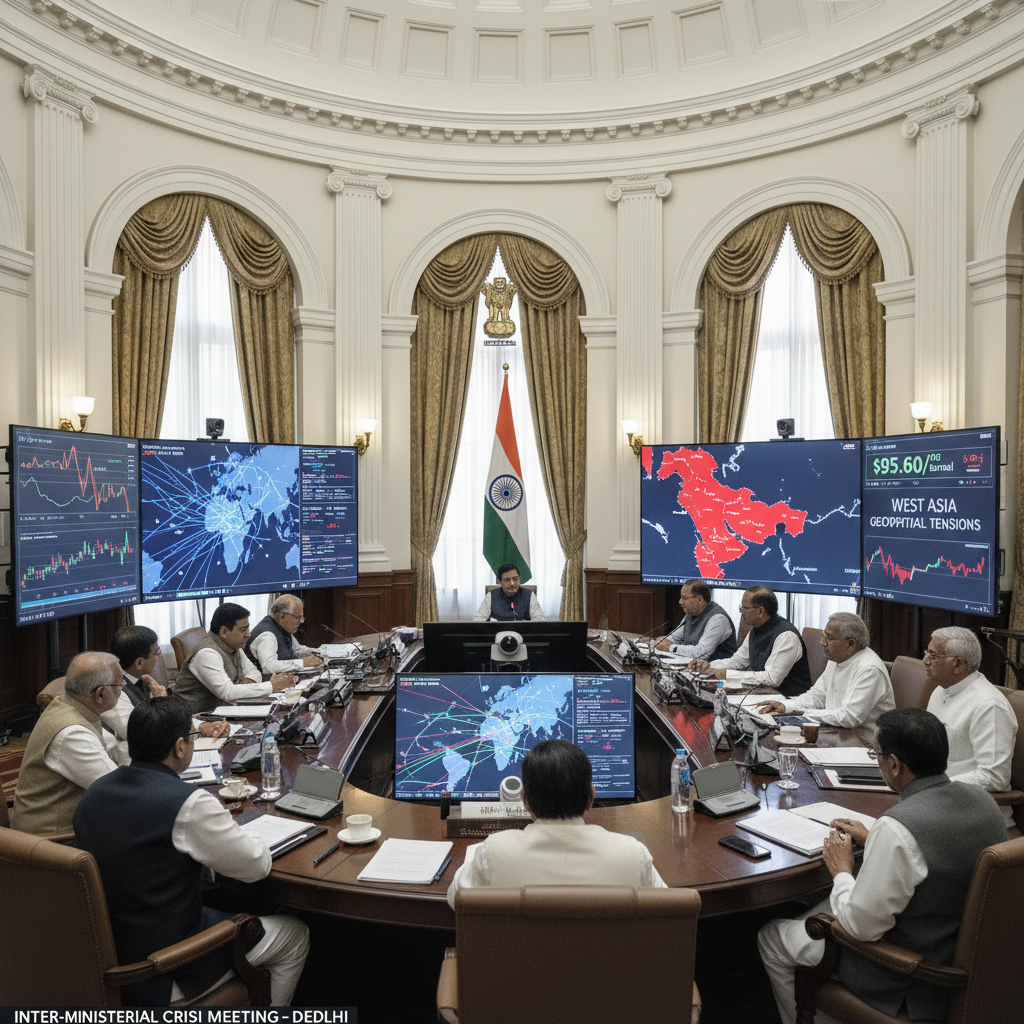
To monitor and respond to rapidly changing circumstances, an inter-ministerial group has been established that convenes daily to assess difficulties in imports and exports, according to official sources. This mechanism reflects the government's recognition that the situation requires constant vigilance and rapid response capabilities. The daily meetings indicate the dynamic nature of the challenges and the need for real-time assessment of trade disruptions.
The conflict's impact on India underscores the nation's complex position in global geopolitics, where economic interests, energy security, and diaspora welfare intersect with regional conflicts. India's response will likely influence its future diplomatic positioning in West Asia and its broader strategy for reducing dependence on volatile regions for critical resources.



