Dharmendra Pradhan’s resignation is a consequential moment in a crisis that has tested India’s examination system, its political leadership and the faith of millions of students in public institutions.
News reports on July 25 said Pradhan tendered his resignation to Prime Minister Narendra Modi after weeks of protests over alleged examination leaks and irregularities. The development answers a central political demand made by protesters. It does not, on its own, repair the institutional failures that turned an examination dispute into a nationwide confidence crisis.
Accountability is a beginning
In a parliamentary democracy, ministerial accountability has both a moral and an administrative purpose. It signals that a government recognises the seriousness of a failure and is prepared to accept political responsibility. That signal matters to students and families who believed their futures had been put at risk by failures in examination integrity.
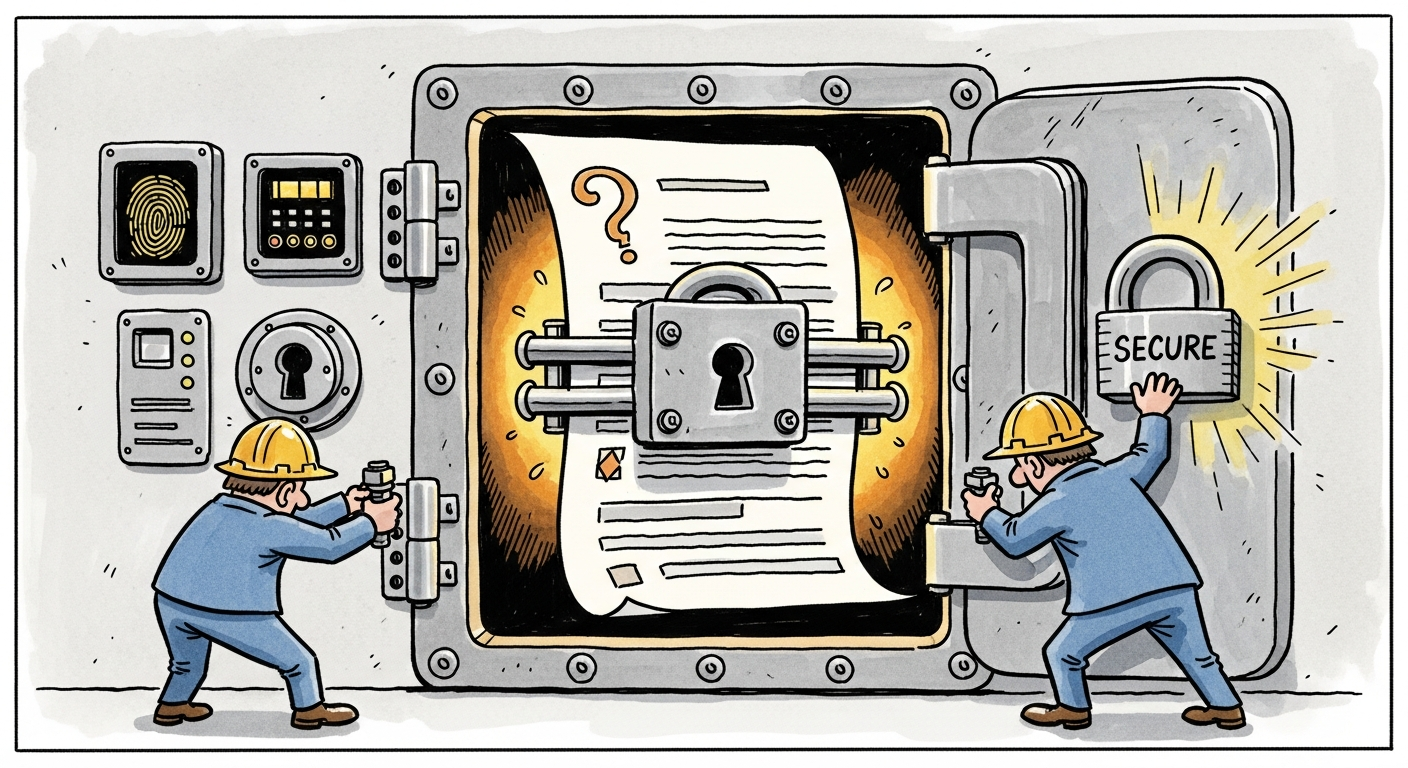
But the resignation must not become the final chapter. A change of minister cannot substitute for a forensic review of how questions are set, stored, transmitted, secured, monitored and investigated. The public deserves clarity on what failed, who is responsible at every level and which safeguards will be different before the next major examination cycle.
The reform agenda
The government had already announced a proposed legislative route for stricter action against paper leaks and faster legal processes. Those commitments now carry greater weight. The next Education Ministry leadership will need to demonstrate that the response is not only political but operational: stronger chain-of-custody systems, independent audits, transparent communication with candidates and credible consequences for officials or networks found to have broken the law.
Students need more than assurances. They need examination calendars that are reliable, results that can be trusted and grievance mechanisms that work before anger reaches the street. A serious reform package should make those promises measurable, with published protocols and a clear report-back to Parliament and the public.
A democratic outcome, not a partisan trophy
Protesters may view the resignation as a victory; government supporters may view it as a decision meant to restore confidence and allow reform to proceed. Both interpretations can coexist. The more important point is that public pressure, parliamentary debate and executive action have converged around a problem that cannot be ignored.
India’s political system is strengthened when institutions can absorb criticism, correct course and return with a better system. That is the standard now facing the government. The resignation has changed the politics of the crisis. The reform of examination governance must change the reality experienced by every student who sits for a high-stakes test.
Sources: Akashvani News; Associated Press; Hindustan Times.
Editorial note: This article reports that Pradhan tendered his resignation. The precise constitutional and administrative follow-through should be confirmed through official government notification.



