Bihar's Panchayati Raj: A Deep Dive into Grassroots Democracy
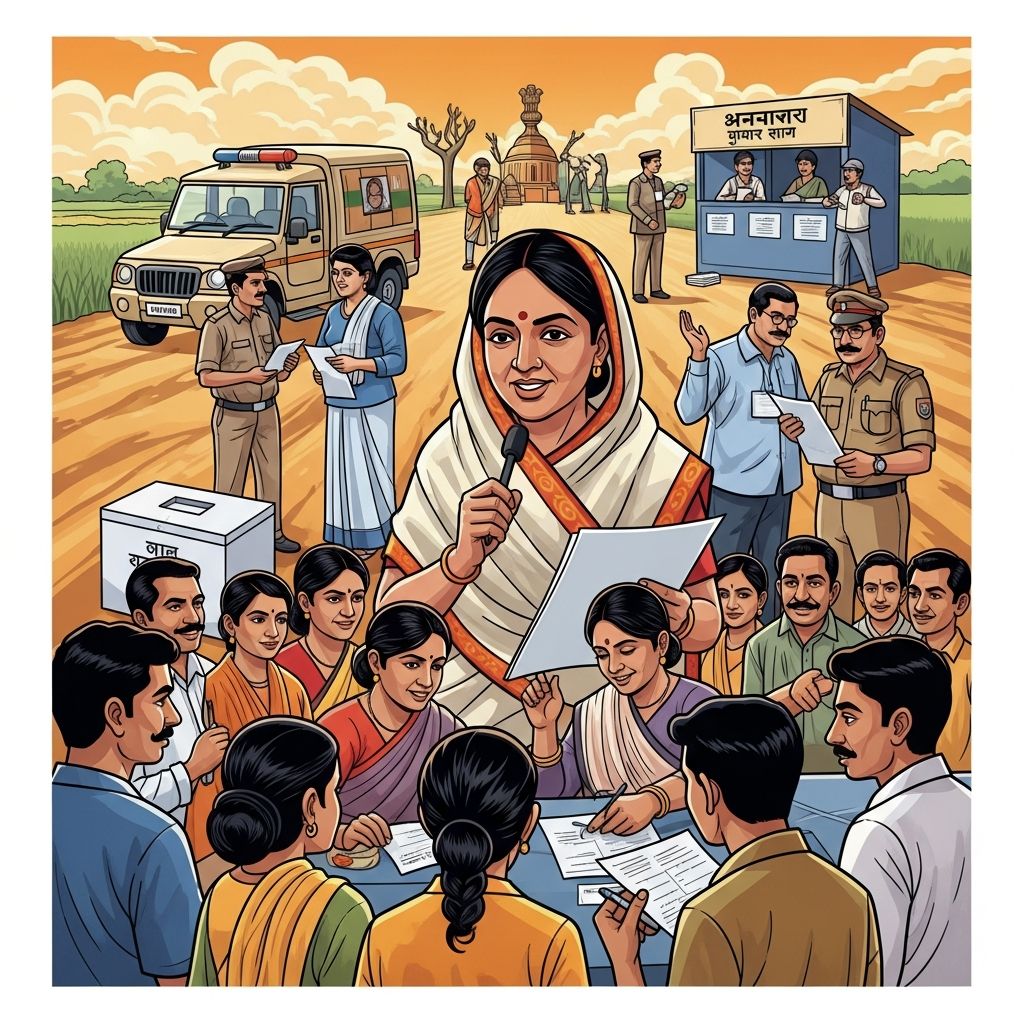
As of July 2026, the dust has largely settled on Bihar's most recent Panchayati Raj elections, a monumental exercise in grassroots democracy that saw millions participate in shaping local governance. These elections, often overlooked in the national discourse, are the bedrock of India's federal structure, directly impacting the lives of citizens in the state's vast rural landscape. The sheer scale of the electoral process, the numbers of representatives elected, the persistent challenge of administrative vacancies, and the remarkable strides in women's representation all paint a vivid picture of Bihar's evolving political landscape.
The Scale of Representation: Numbers That Matter
Bihar's Panchayati Raj system is a three-tier structure comprising Gram Panchayats at the village level, Panchayat Samitis at the block level, and Zila Parishads at the district level. The recent elections, typically held over multiple phases to manage the logistical complexities, saw an astonishing number of representatives elected across these tiers. While exact final figures are still being compiled and verified by the State Election Commission (SEC) for the 2026 cycle, historical trends and preliminary data suggest a similar magnitude to previous elections.
In the 2021 Panchayati Raj elections, for instance, approximately 2.55 lakh representatives were elected across all three tiers. This included:
- Gram Panchayat Members: Over 1.14 lakh members were elected to the Gram Panchayats.
- Mukhiyas (Village Heads): Approximately 8,067 Mukhiyas were elected.
- Panchayat Samiti Members: Around 11,100 members were elected to the Panchayat Samitis.
- Pramukhs (Block Heads): Roughly 533 Pramukhs were chosen from among the Panchayat Samiti members.
- Zila Parishad Members: Approximately 1,161 members were elected to the Zila Parishads.
- Adhyaksh (District Heads): Around 38 Adhyaksh were elected from among the Zila Parishad members.
These numbers are indicative of the immense democratic participation and the granular level at which governance is established in Bihar. The 2026 elections are expected to have yielded a comparable number of elected officials, underscoring the state's commitment to decentralized administration.
The Shadow of Vacancies: A Persistent Challenge
Despite the robust electoral process, one of the most significant challenges facing Bihar's Panchayati Raj institutions (PRIs) is the issue of government vacancies. This isn't merely about elected posts, but more critically, about the administrative and technical support staff essential for the effective functioning of these bodies. From Panchayat Secretaries to technical assistants, junior engineers, and various other clerical and developmental roles, a substantial number of positions remain unfilled across the state.
Reports from the Department of Panchayati Raj, even as recently as late 2025, indicated that a significant percentage of sanctioned posts at the Gram Panchayat and Panchayat Samiti levels were vacant. For example, the number of Panchayat Secretaries, crucial for record-keeping, implementation of schemes, and administrative support, has long been a point of concern. While the government has initiated recruitment drives, the pace has often lagged behind the attrition rate and the growing demands on PRIs.
The impact of these vacancies is profound. It leads to:
- Slowed Scheme Implementation: Without adequate staff, the execution of central and state government schemes, such as MGNREGA, Pradhan Mantri Awas Yojana, and various health and sanitation programs, often faces delays.
- Increased Burden on Elected Representatives: Mukhiyas and other elected officials are often forced to shoulder administrative responsibilities, diverting their attention from policy and oversight roles.
- Lack of Accountability: A shortage of staff can make it difficult to maintain proper records, monitor expenditures, and ensure transparency, potentially leading to inefficiencies and corruption.
- Reduced Service Delivery: Citizens often face delays in obtaining essential services, from birth certificates to land records, due to understaffed Panchayat offices.
Addressing these vacancies requires a multi-pronged approach, including accelerated recruitment, streamlining administrative processes, and potentially leveraging technology to compensate for human resource shortages.
Women's Representation: A Transformative Force
Bihar has been a pioneer in empowering women in local governance, having implemented 50% reservation for women in Panchayati Raj institutions since 2006. This progressive policy has had a transformative impact, significantly increasing women's participation and leadership at the grassroots level. The 2026 elections, like their predecessors, are expected to reflect this strong commitment.
In the 2021 elections, the impact of this reservation was clearly visible:
- Mukhiyas: Out of 8,067 Mukhiyas, approximately 4,400 were women, exceeding the 50% reservation due to women also winning general seats.
- Gram Panchayat Members: A similar trend was observed, with women constituting well over 50% of the elected members.
- Panchayat Samiti and Zila Parishad: Women also held significant numbers of seats at the block and district levels, often surpassing the reserved quota.
This high level of women's representation is not merely a statistical anomaly; it represents a fundamental shift in social dynamics and governance. While challenges persist, such as proxy representation (where male relatives exert influence), studies have shown that women leaders often prioritize issues like sanitation, water supply, education, and healthcare, leading to tangible improvements in community well-being. Their presence also inspires other women to participate in public life, slowly but surely eroding patriarchal norms.
The Role of State Machinery: Ensuring Fair Play
Conducting Panchayati Raj elections in a state as populous and diverse as Bihar is an immense logistical and security challenge. The State Election Commission (SEC), in close coordination with the state government, deploys significant state machinery to ensure free, fair, and peaceful elections. This includes:
- Law Enforcement: Thousands of police personnel, including Bihar Military Police (BMP) and Home Guards, are deployed across polling booths and sensitive areas to maintain law and order, prevent voter intimidation, and address any untoward incidents.
- Administrative Personnel: A vast network of government employees, from teachers to block development officers (BDOs) and district magistrates (DMs), are deputed for election duty. They manage polling stations, electoral rolls, ballot boxes (or Electronic Voting Machines, where applicable), and counting processes.
- Logistics and Transport: A massive fleet of vehicles is mobilized to transport polling materials, personnel, and security forces to even the remotest villages.
- Technology: The SEC increasingly leverages technology for voter registration, candidate nomination, result tabulation, and communication, though the scale of rural Bihar still necessitates significant manual processes.
The efficient deployment of this machinery is critical to upholding the integrity of the electoral process. While incidents of violence or electoral malpractice are sometimes reported, the overall effort ensures that the democratic will of the people is largely respected.
Benefits of Robust Panchayati Raj Institutions
Despite the challenges, a well-functioning Panchayati Raj system offers numerous benefits:
- Decentralized Decision-Making: It brings governance closer to the people, allowing local communities to have a say in decisions that directly affect their lives.
- Improved Service Delivery: When empowered, PRIs can respond more effectively to local needs in areas like water, sanitation, health, and education.
- Enhanced Accountability: Local leaders are directly accountable to their constituents, fostering greater transparency and responsiveness.
- Grassroots Development: PRIs are instrumental in planning and implementing local development schemes, ensuring resources are allocated according to community priorities.
- Empowerment of Marginalized Sections: Reservations for women, Scheduled Castes, and Scheduled Tribes ensure that historically marginalized groups have a voice in governance.
Panchayati Raj Minister Deepak Prakash: Steering the Ship
At the helm of the Panchayati Raj Department in Bihar, Minister Deepak Prakash plays a pivotal role in shaping the future of local governance. Appointed to this crucial portfolio, Minister Prakash has been tasked with overseeing the implementation of various schemes, strengthening PRIs, and addressing the systemic challenges they face.
Minister Prakash, since assuming office, has consistently emphasized the need for greater financial autonomy for PRIs, timely release of funds, and capacity building for elected representatives. His public statements and departmental initiatives have often focused on:
- Filling Vacancies: He has publicly acknowledged the issue of administrative vacancies and has been instrumental in pushing for recruitment drives for Panchayat Secretaries and other essential staff. The department, under his leadership, has been working with the Bihar Staff Selection Commission (BSSC) to expedite these processes.
- Digitalization of PRIs: Minister Prakash has advocated for the increased use of technology in Panchayat offices, including digital record-keeping, online grievance redressal mechanisms, and digital payments, to enhance transparency and efficiency.
- Training and Capacity Building: Recognizing that many elected representatives, especially women and first-timers, require support, the department has organized training programs on financial management, scheme implementation, and legal frameworks governing PRIs.
- Inter-departmental Coordination: He has stressed the importance of better coordination between the Panchayati Raj Department and other line departments (e.g., Rural Development, Health, Education) to ensure seamless implementation of schemes at the local level.
- Financial Devolution: A consistent advocate for greater financial powers for PRIs, Minister Prakash has been working towards ensuring that funds from the State Finance Commission and central grants reach the local bodies without undue delays.
The success of these initiatives will largely determine the effectiveness of Bihar's Panchayati Raj system in the coming years. Minister Prakash's leadership will be crucial in navigating the complexities of state-level politics, bureaucratic hurdles, and the diverse needs of Bihar's rural populace.
Conclusion
Bihar's Panchayati Raj elections are a testament to the state's vibrant democratic spirit. The sheer number of elected representatives, the groundbreaking strides in women's empowerment, and the meticulous deployment of state machinery underscore the commitment to decentralized governance. However, the persistent challenge of administrative vacancies remains a critical bottleneck, hindering the full potential of these institutions. As Minister Deepak Prakash and his department continue their efforts, the focus must remain on strengthening the administrative backbone of PRIs, empowering elected representatives with resources and training, and ensuring that the benefits of grassroots democracy truly reach every citizen of Bihar. The journey towards fully effective local self-governance is ongoing, but the foundations laid are robust, promising a more inclusive and responsive future for the state.