Begin with the concession, because an argument earns the right to disagree only by first taking the other side seriously. The grievance driving the Cockroach movement is real. Exam leaks are not a minor administrative hiccup; they are a betrayal of the millions of young Indians who did the honest thing — studied, prepared, and trusted the system to be fair. Anyone who has watched a student's year evaporate because a paper was sold in advance understands the anger on the streets. That anger is earned. The question is not whether the students have a grievance. It is whether the demand they have been handed will do anything to fix it.
It will not. The movement's central demand — the resignation of the education minister — is a scalp, not a system. Sacking a minister changes a nameplate on a door; it does not rewrite the security protocol of an examination, rebuild the agency that administers it, or close the specific holes through which the last paper leaked. A resignation is emotionally satisfying and substantively empty. It offers the catharsis of a head on a plate while leaving the machine that failed exactly as it was — ready to fail the next cohort in exactly the same way.
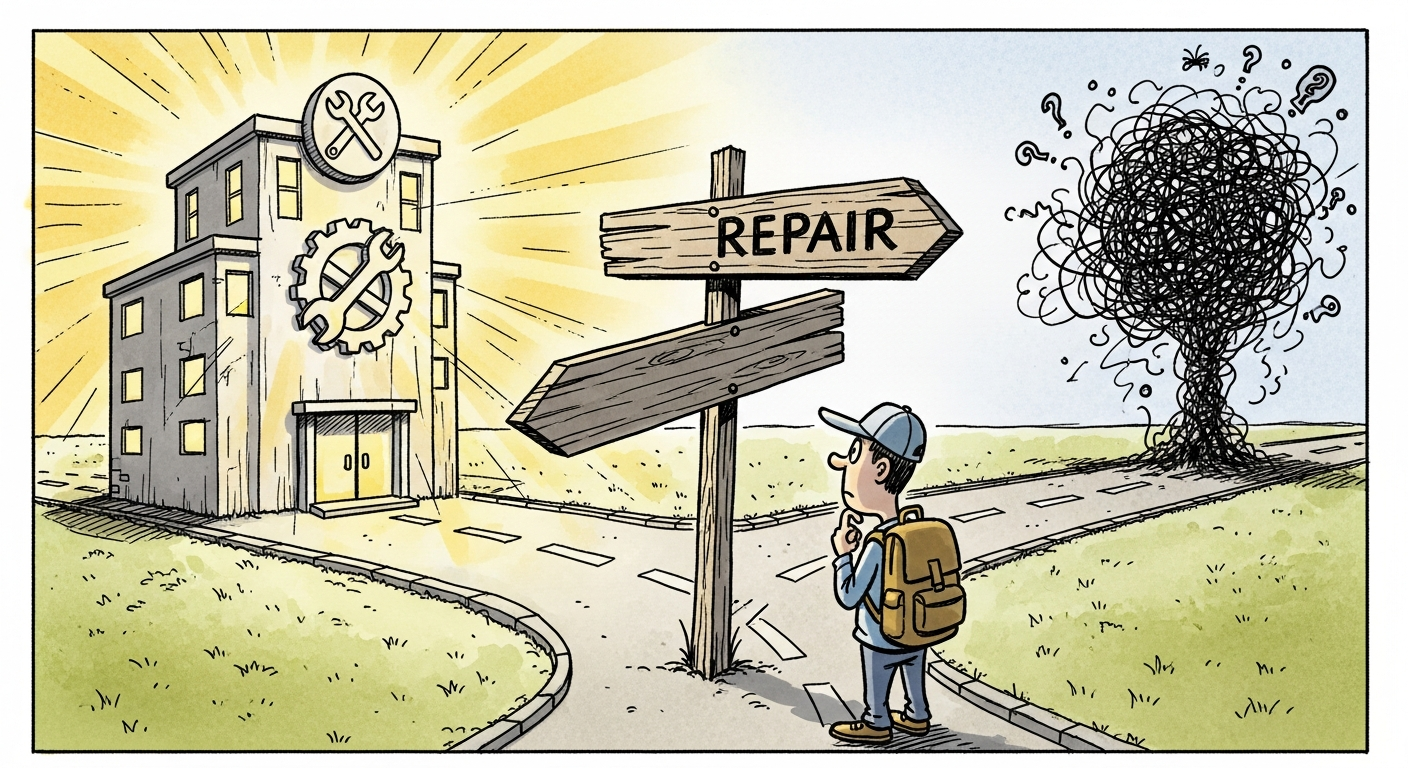
The reforms that actually address leaks are unglamorous, technical, and largely already on the books: the anti-paper-leak law with its criminal penalties, the overhaul of the national testing agency, the encryption, tracking and randomisation that make a question paper harder to steal than a bank vault. The intelligent demand — the one a movement serious about reform rather than theatre would make — is to accelerate that work, publish its milestones, and hold the government to a hardened, transparent exam system. "Fix the system" is a slower slogan than "sack the minister," but it is the only one that protects next year's students.
On method, a word that cuts both ways. A march of thousands on Parliament without permission puts any government in a genuine bind, and a state that answers young protesters with baton charges and tear gas has met a political problem with a policing one — heavy-handed, self-defeating, and beneath a confident democracy. A government sure of its record should out-argue this movement, not out-muscle it. But the movement, too, has chosen confrontation over the engagement that actually produces reform, and a protest that makes negotiation impossible forecloses the very path by which a grievance gets addressed. Both sides mistook a show of force for a strategy.
There is a politics to the demand's shape, and it is worth naming plainly. A single-point "remove the minister" campaign is built to the logic of a news cycle, not the logic of exam security. It is the demand an opposition makes when the prize is a scalp it can display, not the demand an engineer makes when the goal is a system that works. The students supplying the energy are owed an honest question: who benefits from aiming it at a resignation rather than a reform — and whether a genuine student grievance is being ridden for someone else's headline.
None of this diminishes the young people at Jantar Mantar. Their frustration is legitimate and their stake is real; a country that leaks its exams is failing exactly the citizens it most needs to keep faith with. That is precisely why the remedy matters. Aimed at the actual fix — a secure, transparent, tech-hardened examination system — this energy could win something that outlasts a headline. Aimed at a minister's resignation, it wins a news cycle and loses the reform, and the next paper leaks anyway. The grievance is right; the remedy is wrong. And that difference is the difference between a movement that changes something and one that is merely spent. More on our India desk.



