By Aditya Ashok
A democracy is strongest when its citizens can do more than react. They should be able to read a policy announcement, distinguish a promise from a notification, find the source of a claim and ask the right public question. That habit is not cynicism. It is civic confidence.
India has millions of young people entering public life through their phones. They see an extraordinary volume of information every day: clips, screenshots, charts, anonymous messages and emotionally charged headlines. The challenge is no longer access to information. It is learning how to evaluate it.
Attention is not understanding
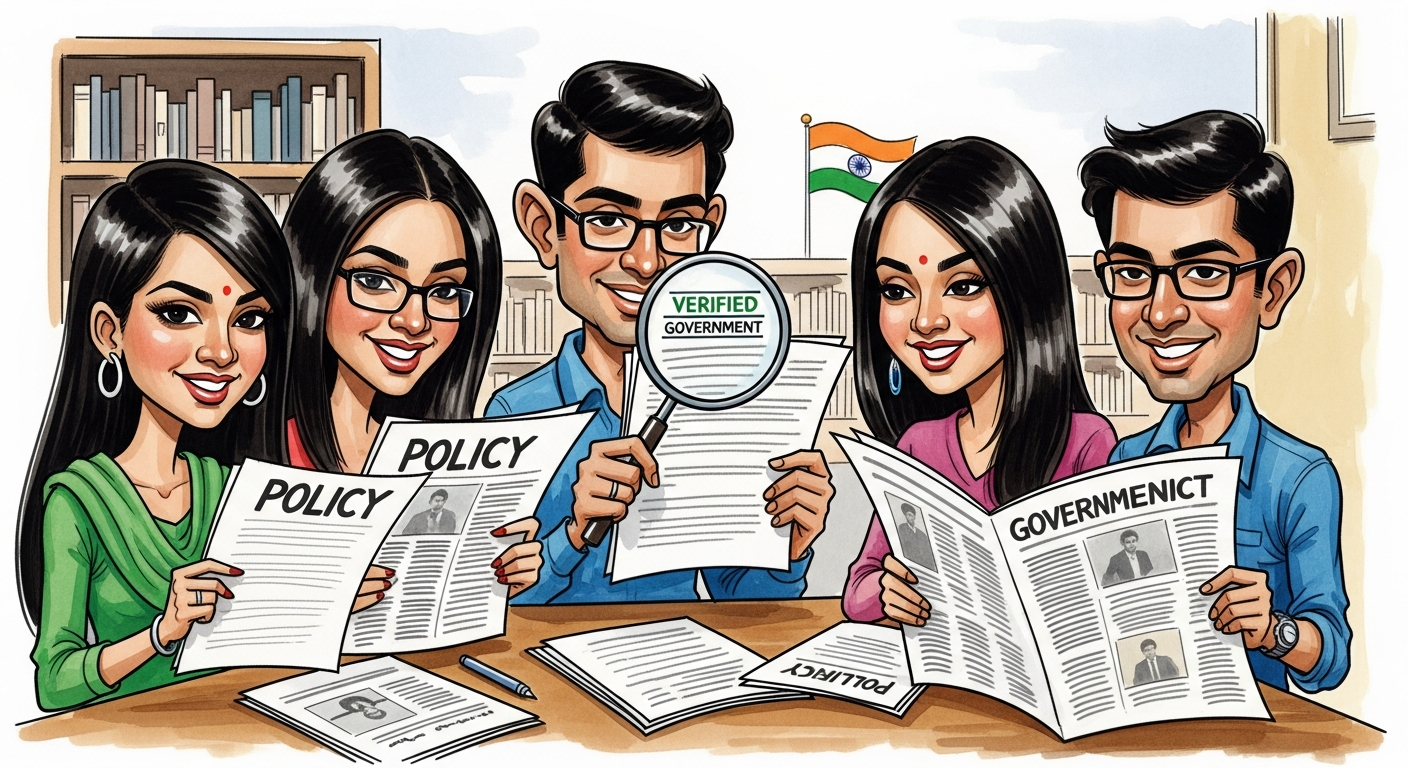
A short video can introduce an issue, but it cannot replace the document behind it. A headline can signal a development, but it cannot explain a rule, a budget or a court order. Public literacy begins with a small act of patience: read beyond the claim, look for the primary source and check the date.
This is especially important in a country as diverse and dynamic as India. Policy choices often involve trade-offs between speed, cost, local conditions and competing public needs. Serious citizenship does not demand an instant answer to every question. It demands enough context to recognise the question correctly.
Institutions must be legible
The responsibility is not only on citizens. Public institutions should communicate in clear language, publish accessible data and explain how a decision can be reviewed. A government that asks people to comply must also make its process understandable. That includes local-language communication, easy grievance systems and timely responses.
When institutions are legible, misinformation has less room to grow. People do not need to rely on a forwarded message when they can find an official explanation, a public record and a reliable path to ask for help.
Build the habit early
Schools, colleges, newsrooms and families can all help develop this habit. Teach students to ask: who is making this claim, what is the evidence, what is missing, and where can I verify it? These are simple questions, but they protect both freedom of expression and the quality of public debate.
India's future will be shaped by citizens who participate with knowledge as well as passion. Patriotism is not the absence of questions. It is the willingness to ask better ones, accept evidence when it is inconvenient and remain invested in making institutions work better for everyone.