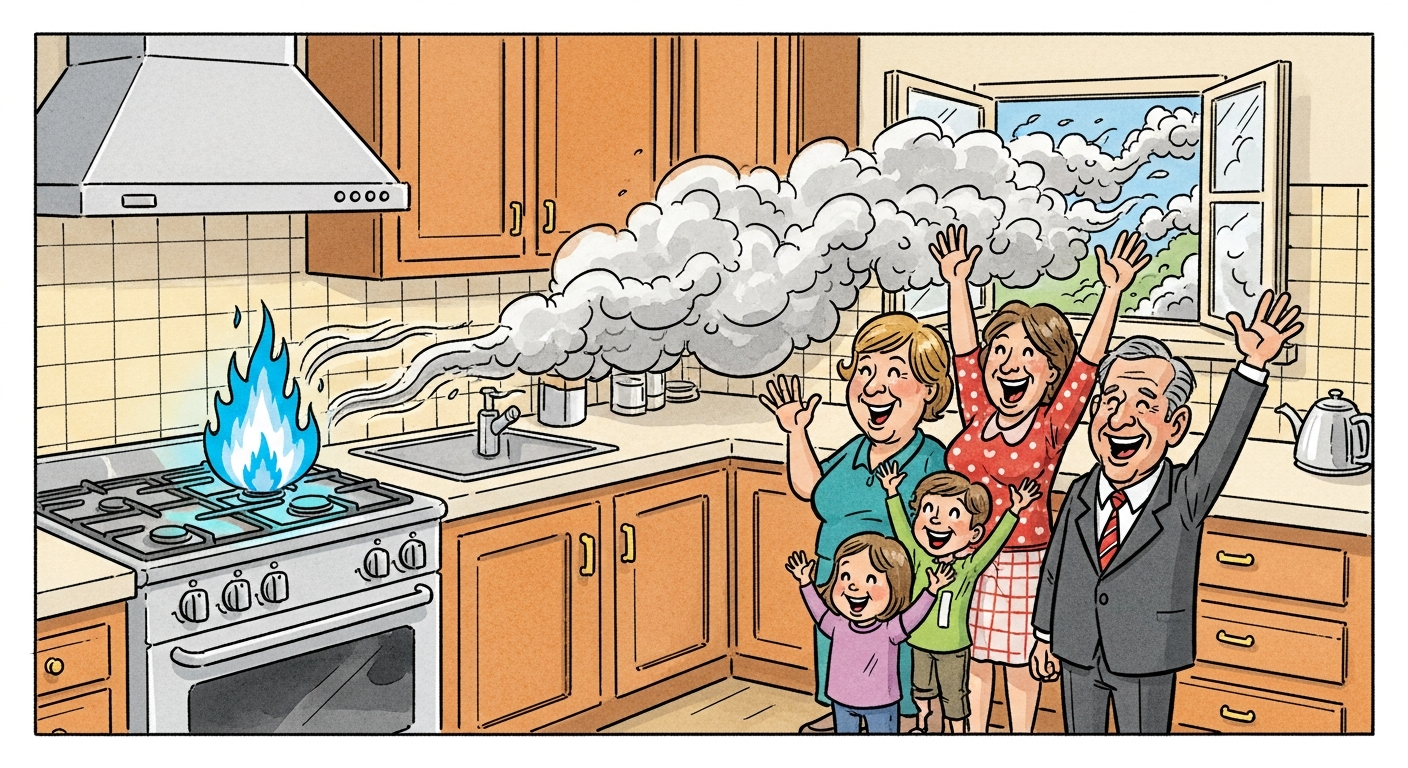
The government on Thursday announced Ujjwala 3.0, extending free LPG connections to the estimated two crore households still outside the network and — the design change that answers the scheme's oldest criticism — restructuring the subsidy from connection-linked to consumption-linked, with the first six refills of the year subsidised at enhanced rates for below-poverty-line beneficiaries.
The refill gap has been the honest critique since 2016: connections reached villages faster than affordability did, and refill rates among the poorest beneficiaries lagged the scheme's headline coverage numbers. The redesign attacks the gap directly — the enhanced subsidy is auto-credited on purchase, requires no application, and tapers with usage growth rather than cutting off at a cliff.
The piped-gas pilot is the announcement's structural bet. Sixty districts — chosen where city-gas networks already run trunk lines — will test household piped connections in rural blocks, converting a cylinder-logistics problem into a utility model. Officials cite the March war quarter as the accelerant: when Hormuz closed, the LPG import dependency that runs through the strait became a war-room slide, and distribution resilience moved from welfare policy to energy security.
The health arithmetic remains the scheme's quiet core. The indoor-air-pollution studies that framed Ujjwala's launch attributed lakhs of premature deaths annually to solid-fuel cooking; the scheme's decade has moved clean-fuel coverage from 62 to above 99 percent of households on connection terms. Refill behaviour is the last mile, and 3.0 is built for precisely that mile.
The politics needs no decoding — the beneficiary rolls skew female, rural and poor, the alliance's most reliable compact. But a welfare scheme entering its third generation with its subsidy redesigned around its critics' best evidence is, whatever else, a government reading its own report cards.