Party Reorganization: A Moment of Direction, Vision, and Responsibility
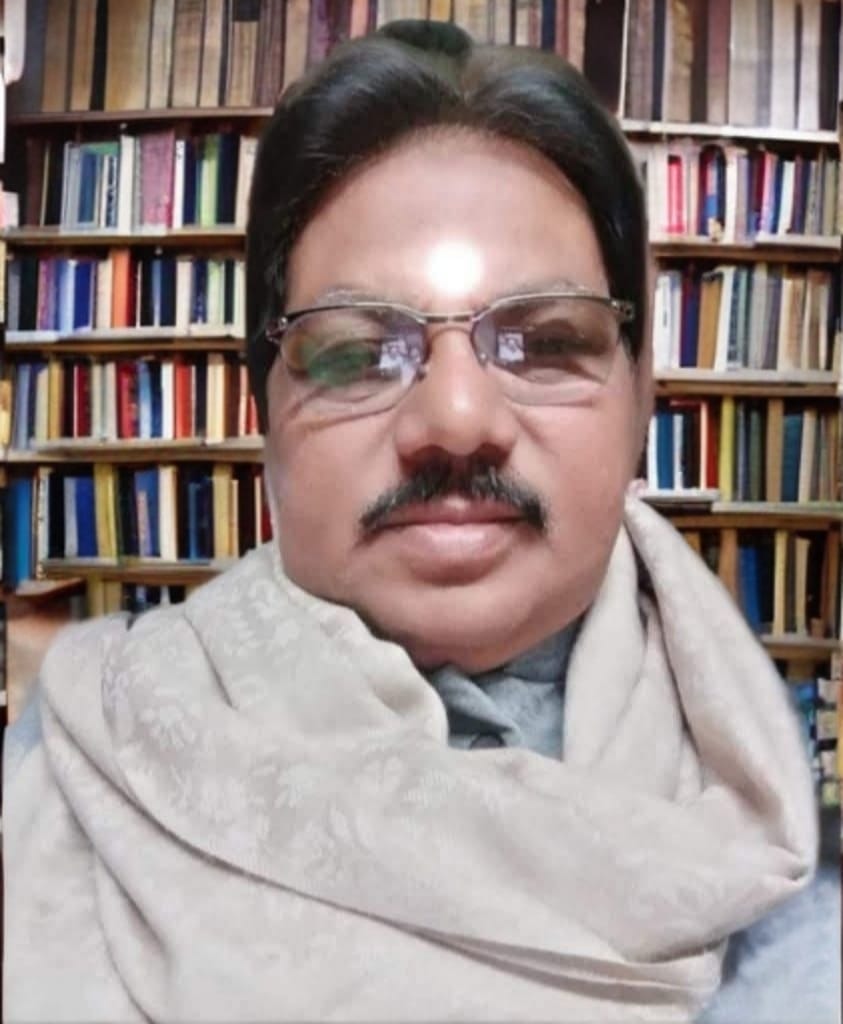
As India marches towards the 2029 general election, the hum of political activity is growing louder. Behind the rallies and speeches, a quieter but equally crucial process is underway: the organizational restructuring of political parties. This isn't merely a reshuffling of positions; it's a critical moment to redefine direction, vision, and responsibility. As Acharya Ashok Choudhary Priyadarshi from Katihar, Bihar, aptly puts it, “An organization is not just a structure, but a living idea—and reorganization is an opportunity to energize that idea.”
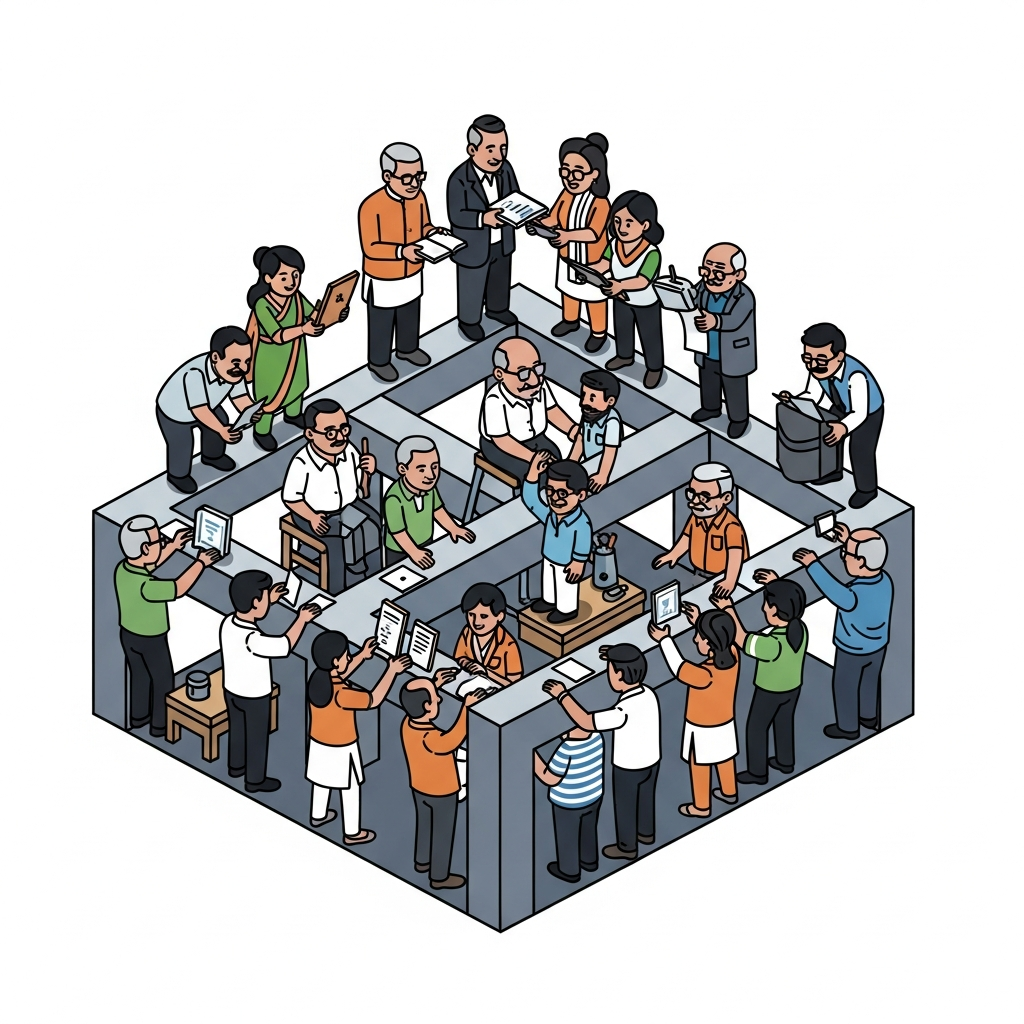
In India's vibrant democracy, the true strength lies not just in electoral competition, but in the vitality and robustness of the organizations that channel societal aspirations, ideas, and energy. A political party without a strong organizational backbone is merely a shell. The organization provides the soul, momentum, and stability. Therefore, when the process of sangathanatmak punargathan (organizational restructuring) begins, it transcends a formal exercise of redistributing posts. It becomes a decisive moment for redefining direction, vision, and responsibility.
Reorganization: Not Just Change, but Refinement
The socio-economic and political landscape is constantly evolving. In this dynamic environment, organizations must periodically re-evaluate their structures, methodologies, and leadership systems. Organizational restructuring is the response to this need. It's also a test of an organization's self-assessment capabilities: Can it identify its shortcomings and possess the courage to rectify them? The goal of reorganization should not be simply to introduce new faces, but to strengthen the organization's efficiency, credibility, and reach. It should be viewed not as mere change, but as a process of refinement.
This year, 2026, is proving to be a crucial year for such restructuring. Several major parties, including the ruling Bharatiya Janata Party (BJP) and the Indian National Congress (INC), are undertaking internal reviews and implementing changes to their organizational structures. These moves are driven by a combination of factors, including the need to adapt to changing demographics, address internal dissent, and prepare for upcoming state elections and, ultimately, the 2029 general election. The Aam Aadmi Party (AAP), while newer, is also actively engaged in expanding its organizational footprint beyond its traditional strongholds, particularly in states like Gujarat and Haryana. Regional parties, such as the Dravida Munnetra Kazhagam (DMK) in Tamil Nadu and the Trinamool Congress (TMC) in West Bengal, are similarly focused on consolidating their organizational strength within their respective states.
The balance of experience and innovation is the hallmark of a strong organization.
Challenges evolve over time – technological advancements, social expectations, ideological clarity, and the nature of political competition. Therefore, organizations must strike a balance between experience and innovation. Experience alone can make an organization rigid, while innovation alone can make it unstable. A balance of both provides stability. For example, the BJP's use of technology for voter outreach, pioneered during the 2014 and 2019 elections, is now being emulated by other parties. However, the BJP also relies heavily on its cadre of experienced workers, particularly at the mandal (block) and zilla (district) levels, to maintain its organizational strength. The Congress party, on the other hand, is grappling with the challenge of rejuvenating its aging leadership and attracting younger members. This requires a delicate balancing act between respecting the experience of senior leaders and empowering younger, more dynamic individuals.
Opportunity: New Energy, New Direction, and Broad Expansion
Organizational restructuring opens the door to numerous opportunities. It infuses new energy, as new workers gain responsibility, boosting enthusiasm and activity. It establishes a balance between thought and action, strengthening the organization both ideologically and practically. It also paves the way for social expansion, where various segments of society gain representation. This is particularly important in a diverse country like India, where caste, religion, and regional identities play a significant role in shaping political allegiances.
An organization is strong only when every segment of society feels represented in it.
Connecting workers, farmers, youth, women, and marginalized communities to the organization is not just a strategy, but a social responsibility. Restructuring provides a significant opportunity in this direction. For instance, the rise of Dalit and OBC (Other Backward Classes) leaders within various political parties is a testament to the growing awareness of the need for greater social representation. Parties are increasingly focusing on recruiting and promoting leaders from these communities to strengthen their connection with these crucial voting blocs. The Congress party's emphasis on social justice and inclusive growth, as articulated in its recent policy statements, reflects this trend. Similarly, the BJP's efforts to reach out to marginalized communities through various welfare schemes and outreach programs are aimed at broadening its social base.
However, merely including individuals from diverse backgrounds is not enough. It is crucial to ensure that these individuals have a genuine voice within the organization and that their concerns are addressed. This requires a fundamental shift in the organizational culture, moving away from hierarchical structures and promoting greater participation and inclusivity. Several NGOs and civil society organizations are working to promote greater political participation among marginalized communities, providing training and support to aspiring political leaders.
Challenges: Balance, Expectations, and Coordination
Where there are opportunities, there are also challenges. The biggest challenge is establishing balance – between experience and youth, regional and social representation. Another challenge is managing the expectations of workers. A third challenge is establishing coordination between new and old leadership. If these challenges are not properly addressed, restructuring can lead to discontent. The BJP, for example, has faced criticism in the past for sidelining veteran leaders in favor of younger, more tech-savvy individuals. This has led to some resentment and internal friction. Similarly, the Congress party has struggled to reconcile the competing ambitions of different factions within the party, particularly at the state level.
Managing expectations is a particularly delicate task. When new positions are created, or existing positions are redefined, there is bound to be competition and disappointment. It is crucial for party leaders to communicate clearly and transparently about the criteria for selection and to ensure that all members feel valued and respected, even if they are not chosen for a particular role. This can be achieved through regular meetings, feedback sessions, and opportunities for professional development.
Solutions: Transparency, Workers, and Ideology
The solution to these challenges lies in clear principles: worker-based selection, transparency and impartiality, balance of experience and youth, ideological commitment, and prioritizing grassroots experience. These elements provide long-term stability to the organization. The Communist Party of India (Marxist), or CPI(M), for example, places a strong emphasis on ideological commitment and cadre-based recruitment. This has helped the party maintain its organizational discipline and cohesion, even in the face of electoral setbacks.
Grassroots workers are the true strength of the organization.
A person who works among the people understands the real problems and can offer solutions. Therefore, grassroots experience should be given special importance in restructuring. This is particularly relevant in the context of rural India, where the majority of the population still resides. Political parties need to strengthen their organizational presence in rural areas and ensure that the concerns of rural communities are adequately represented in their policy platforms. This requires investing in training and development programs for grassroots workers and empowering them to play a greater role in decision-making.
Rural India: The Foundation of the Organization's Roots
India lives in its villages. As Mahatma Gandhi said, the soul of India resides in its villages. Therefore, any political organization aiming for national prominence must have a strong presence in rural India. This requires understanding the unique challenges and opportunities that exist in rural areas, such as agricultural distress, lack of infrastructure, and limited access to education and healthcare. Political parties need to develop specific policies and programs to address these challenges and to empower rural communities. This includes promoting sustainable agriculture, investing in rural infrastructure, and improving access to education and healthcare.
Furthermore, it is crucial to involve rural communities in the decision-making process. This can be achieved through participatory planning and community-based development initiatives. Political parties need to listen to the voices of rural communities and incorporate their concerns into their policy platforms. This requires building trust and fostering a sense of partnership between political parties and rural communities.
In conclusion, the ongoing organizational restructuring of India's political parties is a critical process that will shape the future of Indian democracy. By embracing transparency, prioritizing grassroots experience, and fostering a culture of inclusivity, political parties can strengthen their organizational foundations and better serve the needs of the Indian people. The road ahead is not without its challenges, but by adhering to these principles, India's political parties can ensure that they remain relevant and responsive to the changing needs of the nation. The success of this punargathan will ultimately determine the strength and resilience of Indian democracy in the years to come.
The upcoming months will be crucial as parties finalize their new structures and strategies. LoktantraVani will continue to provide in-depth coverage and analysis of these developments, ensuring that our readers are well-informed about the forces shaping India's political landscape.