Operation Sindoor: A Year On, India's Strategic Calculus Reshaped
A year has passed since Operation Sindoor, India's decisive military response to the audacious incursion across the Line of Control (LoC) in early 2025. While the immediate threat was neutralized swiftly, the operation's reverberations continue to shape India's strategic calculus, regional geopolitics, and domestic security landscape. LoktantraVani examines the lasting impact of Operation Sindoor, exploring its successes, challenges, and the lessons learned.
The Genesis of Sindoor: A Response to Provocation
The events leading up to Operation Sindoor were a culmination of escalating tensions along the LoC. A series of increasingly aggressive actions, attributed to non-state actors operating with tacit support from across the border, culminated in a brazen attack on an Indian military outpost. The attack, which resulted in significant casualties and the temporary occupation of Indian territory, triggered a national outcry and demanded a firm response. The government, facing immense public pressure and recognizing the strategic implications of inaction, authorized a limited military operation aimed at neutralizing the immediate threat and deterring future aggression.
Operation Sindoor: Execution and Objectives
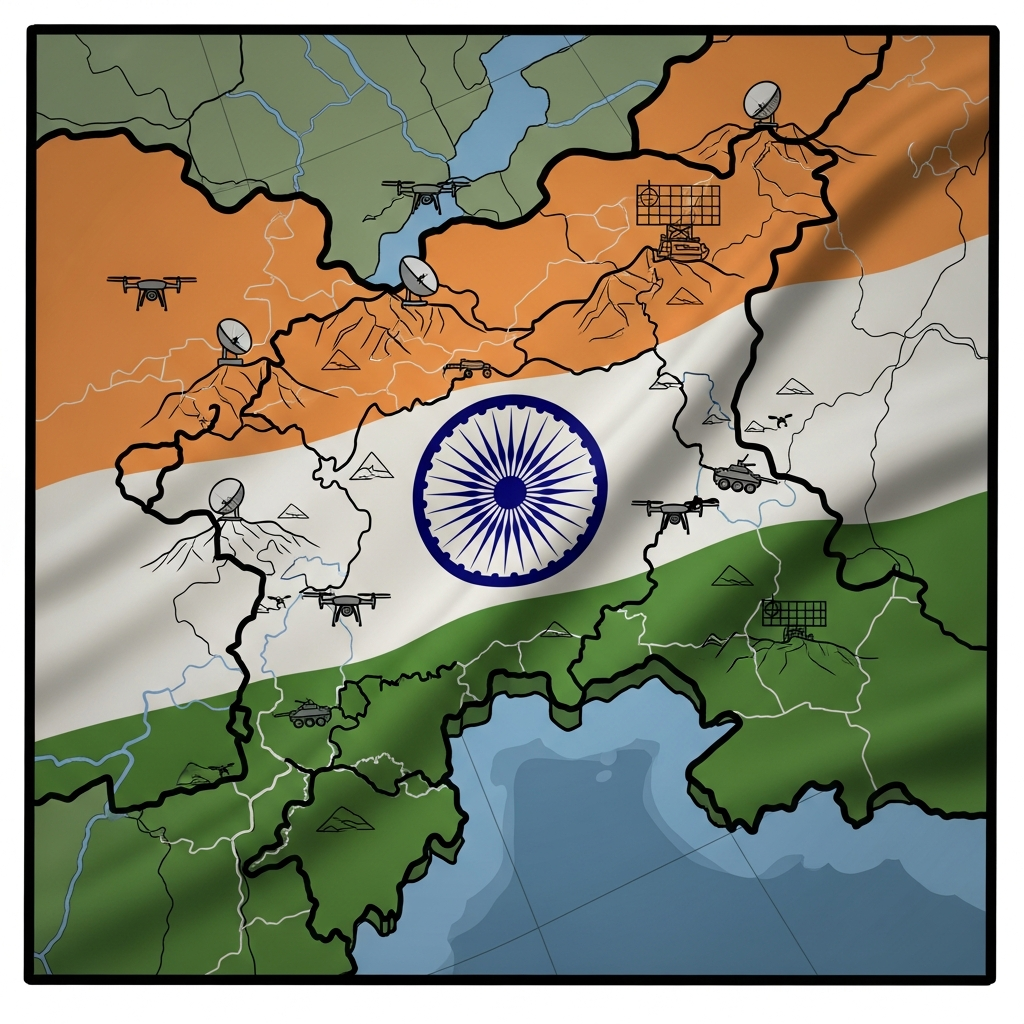
Operation Sindoor was characterized by its speed, precision, and limited scope. Indian armed forces, leveraging advanced intelligence gathering and real-time surveillance capabilities, identified and targeted key militant infrastructure and staging areas across the LoC. The operation involved a combination of air strikes, artillery bombardments, and special forces operations, carefully calibrated to minimize collateral damage and avoid escalation into a full-scale conflict. The stated objectives were clear: to eliminate the immediate threat posed by the militants, dismantle their support network, and send a strong message of deterrence.
The operation's success was measured not only by the elimination of the immediate threat but also by the relatively low number of casualties suffered by Indian forces. The emphasis on precision targeting and the use of advanced technology contributed to minimizing risks and maximizing effectiveness. However, the operation also highlighted certain vulnerabilities in India's border security infrastructure and the challenges of operating in a complex and contested terrain.
The Geopolitical Fallout: Regional Realignment
Operation Sindoor has had a profound impact on the regional geopolitical landscape. The operation demonstrated India's willingness to use military force to protect its territorial integrity and national interests, sending a clear message to potential adversaries. It also forced a reassessment of regional power dynamics, with neighboring countries carefully observing India's capabilities and resolve.
One of the most significant consequences of Operation Sindoor has been the increased scrutiny of Pakistan's role in supporting cross-border terrorism. While Pakistan has consistently denied any involvement, the evidence presented by India following the operation has raised serious questions about its commitment to combating terrorism. This has led to increased international pressure on Pakistan to take concrete steps to dismantle terrorist infrastructure and prevent cross-border attacks.
Furthermore, Operation Sindoor has prompted a closer examination of the role of external actors in the region. China's growing influence in South Asia, particularly its close relationship with Pakistan, has raised concerns about the potential for further instability. India has sought to strengthen its strategic partnerships with other regional powers, such as the United States, Japan, and Australia, to counter China's growing assertiveness and maintain a balance of power.
Domestic Implications: National Security and Public Opinion
Operation Sindoor has also had significant domestic implications. The operation has boosted national morale and strengthened public confidence in the armed forces. The government's decisive response to the cross-border attack has been widely praised, reinforcing its image as a strong and capable leader.
However, the operation has also raised important questions about India's national security strategy. The vulnerabilities exposed during the crisis have prompted a comprehensive review of border security infrastructure, intelligence gathering capabilities, and counter-terrorism strategies. The government has announced plans to invest heavily in modernizing the armed forces, strengthening border surveillance, and improving coordination between different security agencies.
The operation has also fueled a debate about the appropriate use of military force in response to cross-border aggression. While there is broad consensus on the need to defend India's territorial integrity, there are differing views on the best way to achieve this goal. Some argue for a more proactive and assertive approach, while others emphasize the importance of diplomacy and dialogue. The government has sought to strike a balance between these competing perspectives, recognizing the need to be both strong and responsible.
Lessons Learned: A Path Forward
Operation Sindoor has provided valuable lessons for India's policymakers and military strategists. The operation has highlighted the importance of maintaining a strong and credible deterrent, investing in advanced technology, and fostering strategic partnerships. It has also underscored the need for a comprehensive approach to national security, encompassing not only military capabilities but also diplomatic, economic, and intelligence assets.
Looking ahead, India faces a complex and evolving security environment. The threat of cross-border terrorism remains a persistent challenge, while the rise of new technologies, such as cyber warfare and artificial intelligence, poses new and unforeseen risks. To effectively address these challenges, India must continue to adapt its national security strategy, invest in its armed forces, and strengthen its strategic partnerships.
One crucial aspect of India's future security strategy will be its ability to leverage technology. The use of drones, satellite imagery, and artificial intelligence can significantly enhance border surveillance, intelligence gathering, and precision targeting. Investing in these technologies will not only improve India's ability to deter and respond to threats but also reduce the risk of casualties and collateral damage.
Another important element of India's future security strategy will be its ability to forge strong strategic partnerships. Working with like-minded countries, such as the United States, Japan, and Australia, can help India to counter China's growing influence, maintain a balance of power in the region, and address shared security challenges. These partnerships can also provide access to advanced technology, intelligence sharing, and joint military exercises.
The Enduring Legacy of Sindoor
Operation Sindoor will be remembered as a defining moment in India's post-independence history. The operation demonstrated India's resolve to defend its territorial integrity and national interests, sending a clear message to potential adversaries. It also prompted a comprehensive review of India's national security strategy, leading to significant investments in modernizing the armed forces, strengthening border security, and improving intelligence gathering capabilities.
While the immediate threat posed by the cross-border attack has been neutralized, the challenges facing India remain significant. The country must continue to adapt its national security strategy to address evolving threats, invest in its armed forces, and strengthen its strategic partnerships. Only by doing so can India ensure its long-term security and stability in a complex and uncertain world.
In March 2026, as India reflects on the anniversary of Operation Sindoor, the nation stands at a critical juncture. The choices made in the coming years will determine whether India can successfully navigate the challenges ahead and emerge as a strong and secure power in the 21st century. The legacy of Operation Sindoor serves as a reminder of the importance of vigilance, preparedness, and a unwavering commitment to protecting India's sovereignty and security.
Looking Ahead: Challenges and Opportunities
The coming years will present both challenges and opportunities for India. The rise of new technologies, such as artificial intelligence and cyber warfare, poses new and unforeseen risks. The country must invest in these technologies to defend itself against cyber attacks and leverage AI for intelligence gathering and military operations. Simultaneously, India must address the persistent threat of cross-border terrorism and work towards fostering a more stable and peaceful regional environment.
The opportunity lies in leveraging India's growing economic and technological prowess to strengthen its national security. By investing in research and development, promoting innovation, and fostering a vibrant defense industry, India can reduce its dependence on foreign suppliers and become a self-reliant power. Furthermore, India can leverage its soft power, cultural influence, and diplomatic skills to build bridges with other countries and promote peace and stability in the region.
The lessons learned from Operation Sindoor must guide India's future actions. The operation demonstrated the importance of decisive leadership, effective coordination, and a willingness to use military force when necessary. It also highlighted the need for a comprehensive approach to national security, encompassing not only military capabilities but also diplomatic, economic, and intelligence assets. By learning from the past and adapting to the future, India can ensure its long-term security and prosperity.
The anniversary of Operation Sindoor is not just a time for remembrance but also a time for reflection and renewal. It is a time to reaffirm India's commitment to protecting its sovereignty and security, to honor the sacrifices of its armed forces, and to work towards a more peaceful and prosperous future for all its citizens.