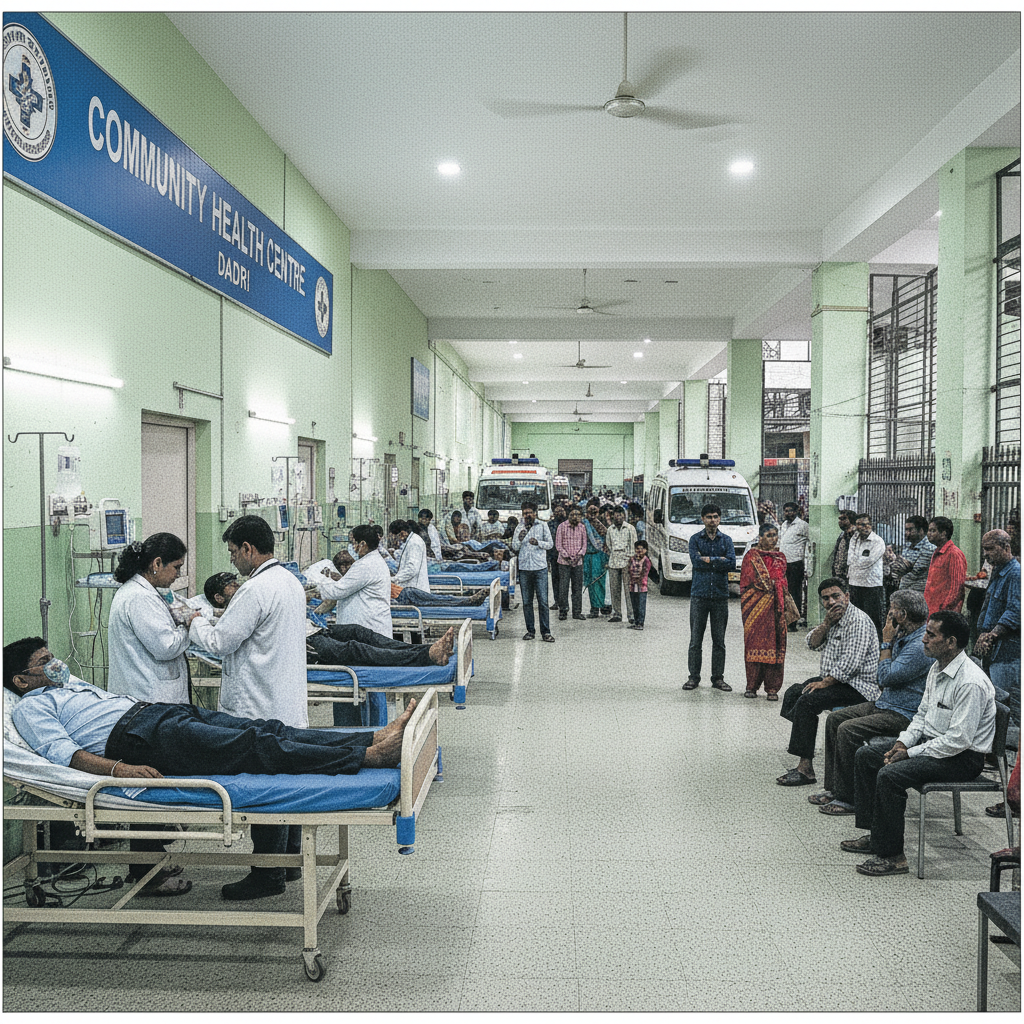
A suspected case of food poisoning has left ten people hospitalized in Noida after they consumed contaminated momos, with nine of the affected individuals belonging to the same family. The incident, which occurred on March 26, 2026, has once again highlighted the persistent food safety challenges facing India's rapidly expanding street food industry.
According to reports, the affected individuals began experiencing severe symptoms including stomach ache, fever, and vomiting shortly after consuming the popular Tibetan dumplings. All ten victims were subsequently admitted to the Community Health Centre in Dadri for treatment, where medical staff confirmed suspected food poisoning as the preliminary diagnosis.
KEY FACTS
- 10 people hospitalized after eating momos on March 26, 2026
- 9 of the affected individuals belong to the same family
- Victims experienced stomach ache, fever, and vomiting
- All patients admitted to Community Health Centre in Dadri
- Food poisoning suspected as the primary cause
The incident underscores the vulnerability of consumers to foodborne illnesses, particularly when consuming street food items that may not adhere to proper hygiene standards. Momos, which have become increasingly popular across North India over the past two decades, are often prepared and sold by vendors who may lack adequate training in food safety protocols.
Food poisoning cases in India remain a significant public health concern, with the country recording thousands of incidents annually. The rapid urbanization and growing popularity of street food culture have created an environment where food safety regulations are often inadequately enforced. Street vendors, facing economic pressures and limited resources, sometimes compromise on hygiene standards, using contaminated water, improperly stored ingredients, or inadequate cooking temperatures.
The Noida incident reflects broader systemic issues within India's food safety infrastructure. Despite the implementation of the Food Safety and Standards Act in 2006 and subsequent amendments, enforcement remains inconsistent across different states and municipalities. Local health departments often lack the resources and manpower necessary to conduct regular inspections of street food vendors and small-scale food establishments.
By The Numbers
The concentration of illness within a single family suggests that the contaminated food was likely consumed during a shared meal, amplifying the impact of the foodborne pathogen. This pattern is common in food poisoning cases, where families or groups dining together face collective exposure to contaminated ingredients or improper food handling practices.
Medical experts have long emphasized that food poisoning symptoms can manifest within hours of consuming contaminated food, depending on the type of pathogen involved. Bacterial contamination, often caused by improper storage temperatures, cross-contamination, or inadequate cooking, remains the most common cause of such incidents. The combination of stomach ache, fever, and vomiting experienced by the Noida victims is consistent with typical foodborne illness symptoms.
The incident has also brought attention to the specific risks associated with momo preparation and consumption. These steamed dumplings require careful handling of raw meat fillings, proper steaming temperatures, and hygienic preparation surfaces. Vendors who fail to maintain adequate refrigeration for meat products or use contaminated water for steaming create conditions conducive to bacterial growth and subsequent food poisoning.
"Food poisoning is suspected" — according to official sources
The role of water quality in food preparation cannot be understated, particularly in regions where access to clean water remains inconsistent. Many street food vendors rely on municipal water supplies that may contain harmful bacteria, or they may use improperly stored water that becomes contaminated over time. The steaming process for momos requires substantial amounts of water, making water quality a critical factor in food safety.
Consumer awareness regarding food safety has grown significantly in recent years, but behavioral changes remain limited. Many consumers continue to prioritize taste and affordability over safety considerations when choosing street food options. This consumer behavior, combined with economic pressures on vendors to minimize costs, creates a challenging environment for implementing comprehensive food safety measures.
The economic implications of such incidents extend beyond immediate medical costs. Families affected by food poisoning face lost wages due to illness, medical expenses, and potential long-term health complications. For food vendors, incidents like these can result in loss of customer trust, regulatory scrutiny, and potential legal consequences.
Local authorities in Noida and surrounding areas have periodically launched food safety campaigns and conducted inspections of street food vendors. However, the temporary nature of many such initiatives limits their long-term effectiveness. Sustainable improvement requires continuous monitoring, regular training programs for vendors, and consistent enforcement of existing regulations.
The incident also highlights the importance of rapid medical response in food poisoning cases. The prompt admission of all affected individuals to the Community Health Centre in Dadri likely prevented more severe complications. Early medical intervention in food poisoning cases can significantly reduce the risk of dehydration, organ damage, and other serious health consequences.
Food safety experts have consistently advocated for a multi-pronged approach to addressing such incidents. This includes strengthening regulatory frameworks, improving vendor training programs, enhancing consumer education, and investing in better infrastructure for food preparation and storage. The integration of technology, such as digital monitoring systems and mobile testing units, could also play a crucial role in improving food safety standards.
The Noida momo poisoning case serves as a reminder that food safety remains an ongoing challenge requiring sustained attention from regulators, vendors, and consumers alike. While the immediate focus remains on treating the affected individuals and preventing similar incidents, the broader implications for public health policy and food safety enforcement continue to demand comprehensive solutions that address both immediate risks and long-term systemic improvements in India's food safety ecosystem.