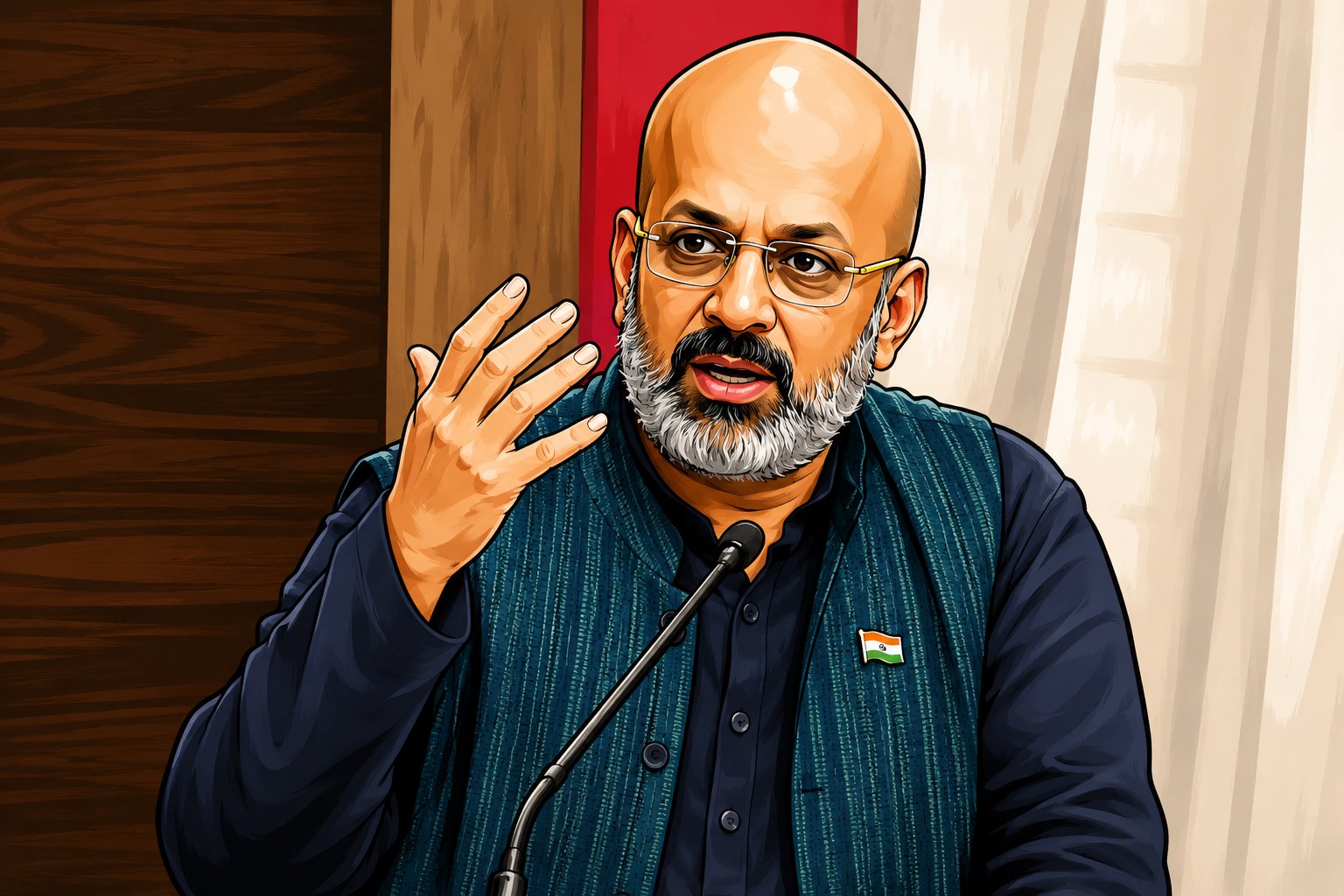
Luis Miranda: Architect of India's Public Policy Landscape
In the dynamic narrative of India's growth, certain individuals emerge as architects, not just of businesses, but of institutions that lay the groundwork for future progress. Luis Miranda stands as one such figure, whose influence extends far beyond the boardrooms of successful financial enterprises into the very fabric of India's public policy discourse and academic rigor. From his foundational roles in two of India's most significant financial institutions to his current leadership in public policy education and the non-profit sector, Miranda's trajectory embodies a commitment to nation-building through strategic vision and philanthropic endeavor.
Miranda's journey began in the high-stakes world of finance, where he was instrumental in the establishment of HDFC Bank, now recognized as India's most valuable bank. Following this, he co-founded IDFC Private Equity, an entity that garnered significant accolades, including being named Best Private Equity Firm in India by Private Equity International and Asian Infrastructure Fund Manager of the Year by Infrastructure Investor in 2009. His departure from IDFC Private Equity in 2010 marked a pivotal shift, signaling a move towards leveraging his extensive experience for broader societal impact.
The Genesis of the Indian School of Public Policy
Perhaps Miranda's most significant contribution to India's public policy landscape is his role as Chairman of the Board and Co-Founder of the Indian School of Public Policy (ISPP). Established with the vision of creating next-generation policy leaders for a rising India, ISPP addresses a critical need for skilled professionals who can navigate the complexities of governance and public administration. The institution aims to bridge the gap between academic theory and practical policy implementation, fostering a new cadre of leaders equipped to tackle India's multifaceted challenges.
The establishment of ISPP reflects a growing recognition within India of the importance of robust public policy frameworks. As the nation continues its rapid development, the demand for evidence-based policymaking and effective governance has intensified. Miranda, through ISPP, is directly contributing to building the intellectual capital necessary to meet this demand, ensuring that India's future policies are informed, inclusive, and impactful.
A Multifaceted Engagement with the Social Sector
Miranda's dedication to public service extends beyond ISPP. He serves as Chairman of the Centre for Civil Society (CCS) and CORO, two organizations deeply committed to fostering a vibrant civil society and empowering marginalized communities. CCS, in particular, is known for its work in promoting liberal reforms and advocating for policies that enhance individual freedom and economic prosperity. His involvement with these organizations underscores a belief in the power of non-state actors to drive social change and influence public discourse.
Furthermore, Miranda is a Co-Founder of Take Charge, a mentoring program specifically designed for Catholic youth in Mumbai. This initiative highlights his commitment to nurturing leadership and providing guidance to younger generations, ensuring they are equipped to pursue their passions and contribute meaningfully to society. His wife, Fiona, is also actively involved in the non-profit sector, working with organizations like Seeds of Awareness and 17000 Ft Foundation, demonstrating a shared family commitment to philanthropy.
The Miranda couple are also signatories of #LivingMyPromise, a pledge to donate at least 50% of their wealth to charity during their lifetime or through their wills. This commitment exemplifies a profound sense of social responsibility and a desire to create a lasting positive impact, setting a powerful example for others in positions of influence.
His board memberships further illustrate his diverse engagement. He serves on the boards of Educate Girls and SBI Foundation, both of which are dedicated to critical areas of social development – education and community upliftment, respectively. He also advises non-profits such as Sunbird Trust, 17000 Ft Foundation, Raah Foundation, RA Foundation, Atlas Network, and SNEHA.
Connecting Dots: A Philosophy of Impact
A recurring theme in descriptions of Luis Miranda's work is his ability to “connect dots.” This isn't merely a colloquialism; it describes a strategic approach to leveraging networks, expertise, and resources to support the organizations he is involved with. This skill, honed over decades in finance, is now applied to the complex ecosystem of public policy and social development, fostering collaborations and amplifying impact.
His extensive network extends to academic institutions of global repute. At the University of Chicago, he is a Trustee of the University of Chicago Trust in India, a member of the Global Leaders Group, and on the Advisory Council of the Rustandy Center for Social Sector Innovation at Chicago Booth. He is also a member of the Society Advisory Committee of the Leadership & Society Initiative. This deep engagement with international academic circles not only brings global best practices to India but also facilitates a two-way exchange of ideas and research.
Beyond his non-profit and academic engagements, Miranda maintains a strong presence in the corporate world, serving as Chairman of ManipalCigna Health Insurance, Senior Advisor at Morgan Stanley, and a board member of L&T Technology Services. He also advises L&T SuFin and GMR Infrastructure. This continued involvement in the private sector allows him to bring a pragmatic, results-oriented perspective to his public policy and philanthropic endeavors, ensuring that initiatives are not only well-intentioned but also sustainable and scalable.
A Voice in the Public Discourse
As a prolific writer, Luis Miranda contributes to important publications such as Forbes, Thrive Global, IDR, and Spontaneous Order. His writings offer insights into a range of topics, from economic policy to social impact, further shaping public discourse and influencing opinion. These platforms allow him to share his wealth of experience and perspectives, reaching a wider audience and contributing to a more informed citizenry. He also teaches at the Accelerated Development Program of Chicago Booth, sharing his knowledge with future leaders.
Miranda's educational background, with an MBA from the Booth School of Business at The University of Chicago and his membership in the Institute of Chartered Accountants of India, provides a strong foundation for his diverse roles. He has also been recognized with distinguished alumni awards from Chicago Booth, HR College, and St. Joseph's Boys High School, a testament to his impactful career.
The Future of Public Policy in India
In July 2026, as India navigates complex geopolitical and economic landscapes, the role of robust public policy becomes even more critical. Luis Miranda's sustained efforts in cultivating institutions like ISPP, supporting civil society organizations, and mentoring young leaders are invaluable. His work underscores a powerful belief: that a strong, ethical, and well-informed public policy framework is not merely an aspiration but a fundamental prerequisite for India to realize its full potential on the global stage.
His approach, characterized by a blend of corporate acumen, philanthropic zeal, and a deep understanding of governance, offers a compelling model for how individuals can contribute meaningfully to national development. By connecting the dots between finance, education, and social impact, Luis Miranda is not just shaping academics; he is helping to shape the very future of India's public policy. His legacy will undoubtedly be measured by the generations of policy leaders he inspires and the enduring institutions he has helped to build.