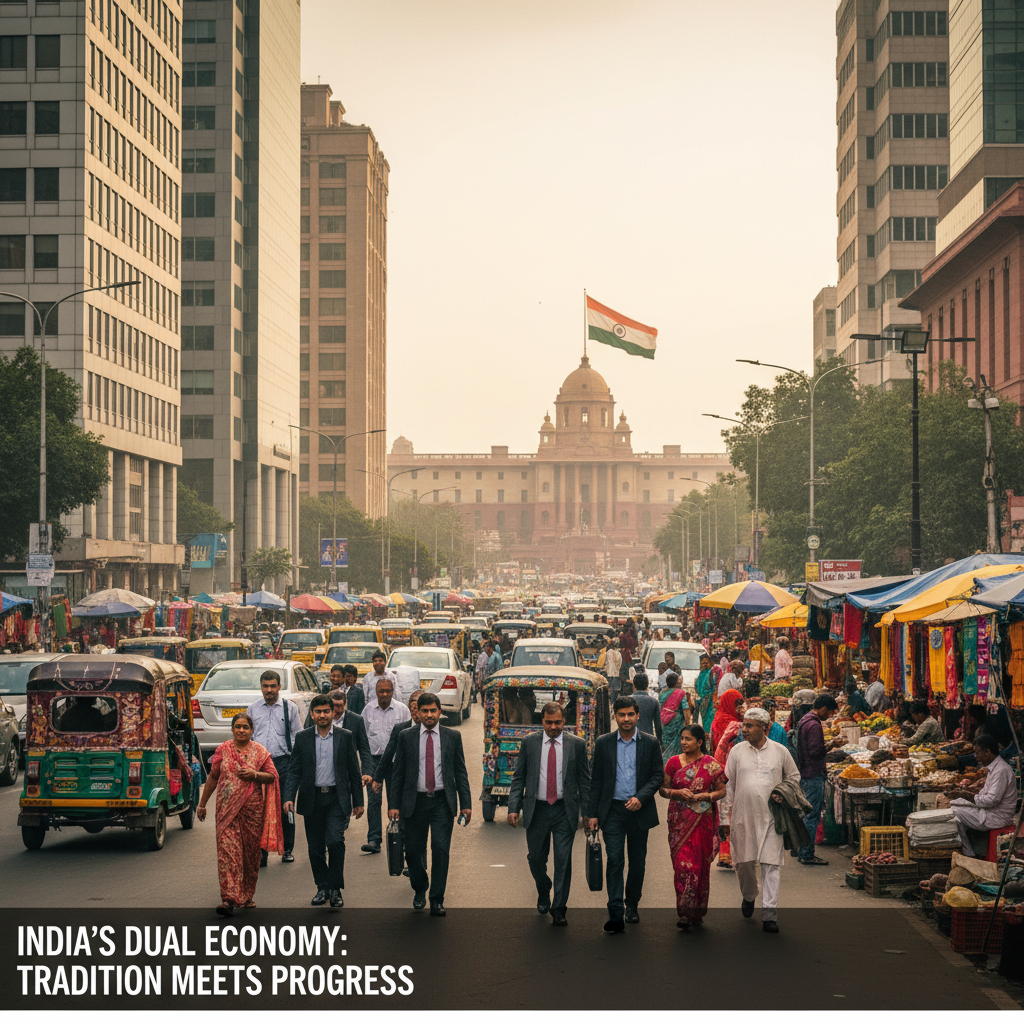
India stands at a pivotal juncture in 2024, with the world's most populous nation navigating an increasingly complex landscape of economic opportunities and political challenges. As the country maintains its position as one of the fastest-growing major economies globally, analysts note that India's trajectory will significantly influence both regional stability and global economic patterns.
The Indian economy continues to demonstrate resilience despite global headwinds, with domestic consumption and government investment driving growth. Manufacturing initiatives, particularly in electronics and renewable energy sectors, reflect the government's push toward reducing import dependence and creating employment opportunities. According to official sources, infrastructure development remains a priority, with significant investments in transportation, digital connectivity, and urban development projects across the country.
India's diplomatic positioning has evolved considerably over the past decade, with the nation asserting itself as a key player in multilateral forums while maintaining strategic autonomy. The country's approach to international relations reflects its growing economic clout and demographic advantages, as it seeks to balance relationships with major powers while addressing regional security concerns.
Domestically, India grapples with the challenge of ensuring that economic growth translates into broad-based development. Rural development programs and social welfare initiatives continue to play a crucial role in government policy, particularly as the nation works to address income inequality and provide opportunities for its vast youth population. Reports indicate that education and skill development remain central to long-term economic strategy.
The technology sector continues to be a significant driver of India's economic transformation, with the country establishing itself as a global hub for digital services and innovation. The push toward digitalization has accelerated across various sectors, from banking to governance, fundamentally changing how citizens interact with public services and conduct business.
Environmental considerations have gained prominence in national policy discussions, with India committing to ambitious climate targets while balancing the need for continued economic development. The transition toward renewable energy sources represents both a challenge and an opportunity, as the country seeks to meet growing energy demands while reducing carbon emissions.
Agricultural policy remains critical given that hundreds of millions of Indians depend on farming for their livelihoods. Efforts to modernize agricultural practices, improve supply chains, and provide better market access to farmers continue to shape rural policy discussions.
As India approaches various state elections and continues to implement federal policies, the interplay between economic development, social cohesion, and political stability will likely determine the nation's trajectory. The decisions made in the coming months will have lasting implications for India's role in shaping the global order of the 21st century.



