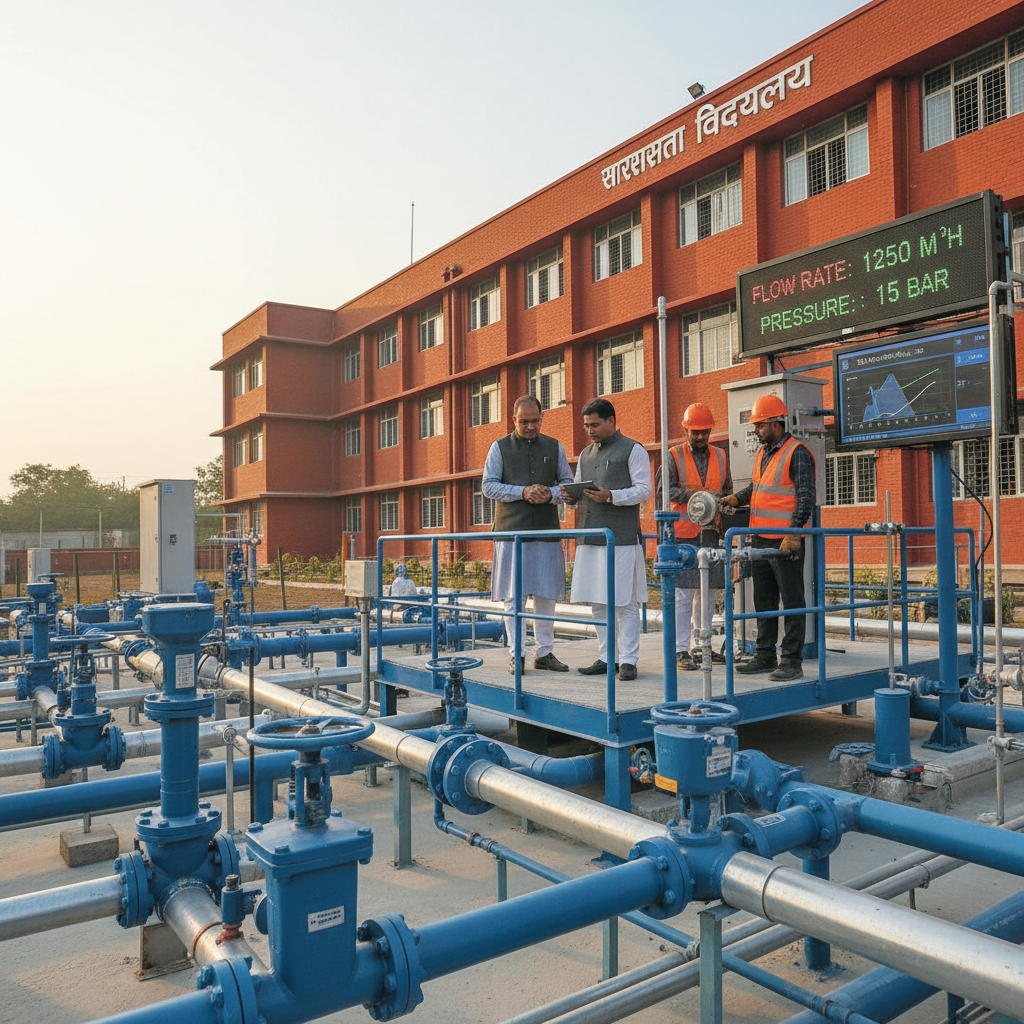
The Indian government has taken decisive action to accelerate the country's transition to cleaner energy by issuing a new order to strengthen piped natural gas infrastructure nationwide. The directive, announced through official channels, represents a significant push to expand access to piped natural gas across residential and institutional sectors while streamlining regulatory processes to improve ease of doing business.
According to PIB, the order specifically targets the expansion of piped gas connectivity to educational institutions, with regulators now requiring city gas distributors to make piped natural gas available to residential schools, colleges, and hostels within a five-day timeframe. This accelerated timeline reflects the government's urgency in scaling up clean energy infrastructure across the country.
KEY FACTS
- City gas distributors must provide piped gas connections within five days
- Order targets residential schools, colleges, and hostels specifically
- Initiative aims to strengthen nationwide piped natural gas infrastructure
- Government focuses on improving ease of doing business in energy sector
- Policy represents broader push toward cleaner energy transition
The move comes as India continues to prioritize natural gas as a bridge fuel in its energy transition strategy. Natural gas currently accounts for approximately 6.2 percent of India's primary energy mix, significantly lower than the global average of 24 percent. The government has set ambitious targets to increase this share to 15 percent by 2030, requiring substantial infrastructure development and policy support.
City gas distribution has emerged as a critical component of India's energy security framework, particularly as the country seeks to reduce its dependence on imported crude oil and coal. The sector has witnessed steady growth over the past decade, with the number of piped natural gas connections increasing substantially across major urban centers and expanding into smaller cities and towns.
By The Numbers
The regulatory directive particularly emphasizes educational institutions, recognizing their role as anchor consumers that can help establish viable distribution networks in new areas. Schools, colleges, and hostels typically have consistent energy demands throughout the year, making them attractive customers for city gas distributors while contributing to the overall viability of pipeline infrastructure.
"Regulator asks city gas distributors to make available piped gas to residential schools, colleges, hostels within five days" — Official government order
Industry analysts note that the five-day connection mandate represents a significant reduction from previous timelines, which could stretch for weeks or months depending on local infrastructure and regulatory approvals. This streamlined approach is expected to accelerate adoption rates among institutional consumers while reducing administrative burden on both distributors and end-users.
The initiative aligns with India's broader energy security objectives and climate commitments. As the country works toward achieving net-zero emissions by 2070, natural gas infrastructure development serves as a crucial stepping stone, offering lower carbon emissions compared to coal and oil while providing grid stability as renewable energy capacity expands.
The strengthened infrastructure mandate also addresses long-standing challenges in the city gas distribution sector, including inconsistent supply chains, regulatory bottlenecks, and uneven geographic coverage. By standardizing connection timelines and improving ease of doing business, the government aims to create a more attractive investment environment for private sector participation in gas infrastructure development.



