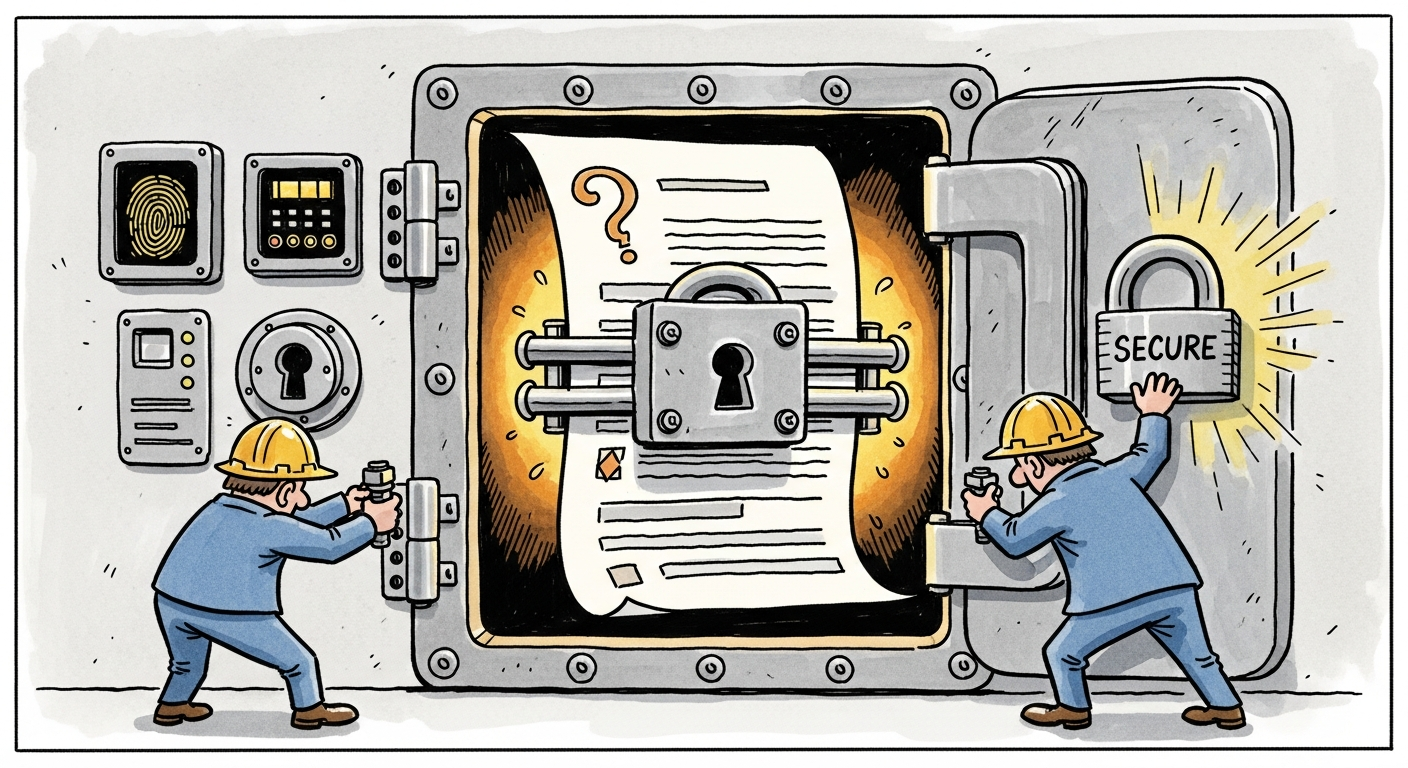
The anger over exam leaks has been real and earned; the response that matters is the one that fixes the machine rather than the one that feeds the news cycle. This week the government moved to accelerate exactly that — the technical, unglamorous hardening of the examination system that determines whether the next paper leaks at all.
The measures are not new inventions but a compression of an existing timeline: the anti-paper-leak law with its criminal penalties applied more widely, the overhaul of the national testing agency's processes, and the encryption, tracking and randomisation that make a question paper harder to move than cash. The reform's honest test is whether it reaches the district exam centre, not whether it is announced in Delhi.
The politics around the issue has been loud, but the substance is narrow and answerable. A secure exam is an engineering problem — chain of custody, access control, audit trails — and engineering problems are solved by process, not by slogans. Publishing the milestones of that process is the surest way to convert public anger into public accountability.
The government's calculation is that visible acceleration is worth more than defensive silence. A reform timeline shown in the open — deadlines, agencies, checkpoints — reframes the debate from a demand for a scalp to a demand for delivery, and delivery is a contest the state can win if it chooses to compete on it.
The measure that will matter is the one nobody will celebrate: an examination cycle that runs, next year, without a leak worth protesting. That is the outcome the acceleration is for. Tracking continues on our India desk.