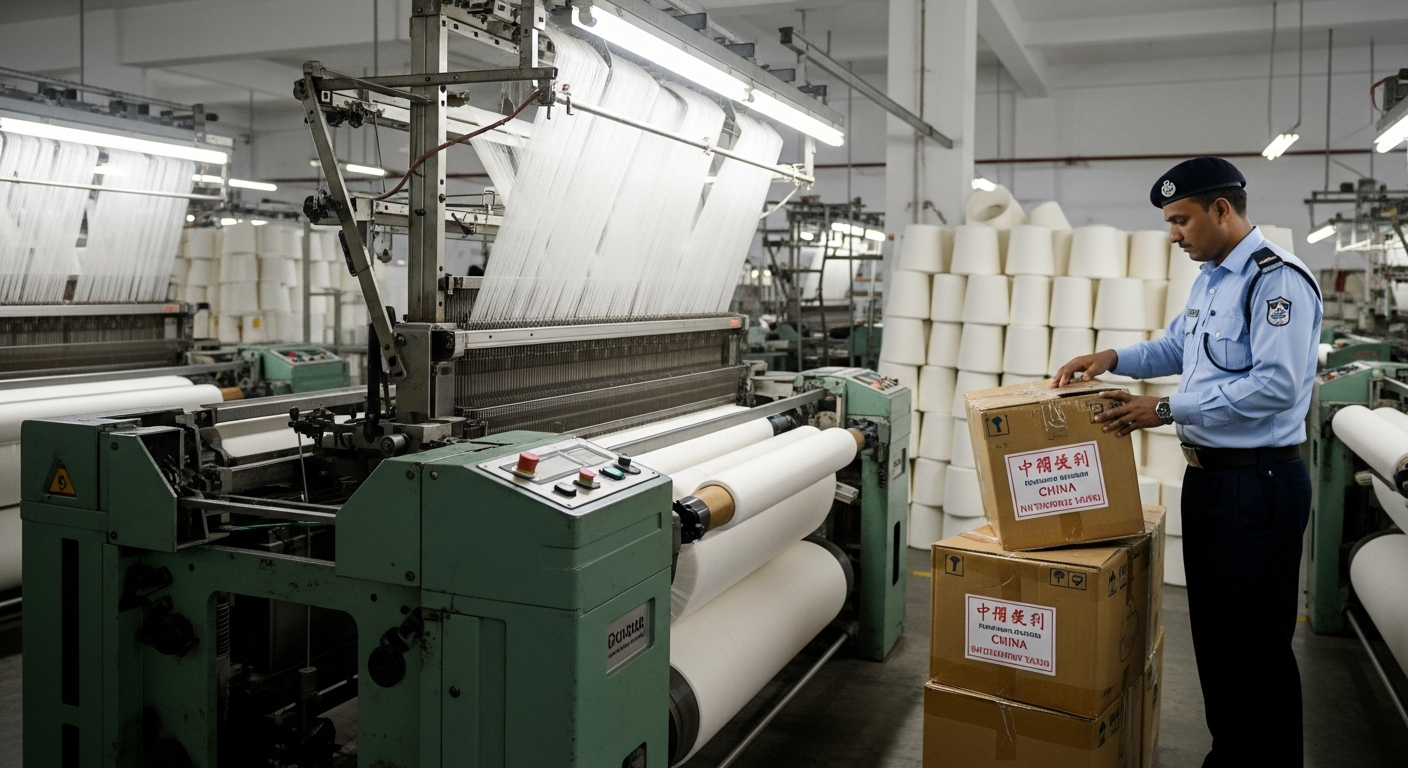
Proposed Duties on Viscose Rayon Filament Yarn
India's Directorate General of Trade Remedies (DGTR) has recommended the imposition of anti-dumping duties on imports of viscose rayon filament yarn from China. The recommendation, issued in a government notification on Monday, March 23, 2026, follows an investigation into the alleged dumping of the product in the Indian market.
Specific Duty Recommendations
The recommended duties vary from $386 to $1,071 per metric ton, depending on the specific Chinese producer. These duties are proposed to be levied on viscose rayon filament yarn above 75 deniers. This particular type of yarn is widely used in the textile industry for manufacturing apparel, home furnishings, and other textile products.
DGTR's Role and Mandate
The Directorate General of Trade Remedies, operating under the trade ministry, is responsible for investigating and recommending trade remedies such as anti-dumping duties, countervailing duties, and safeguard measures. These measures are designed to protect domestic industries from unfair trade practices and unforeseen surges in imports that could cause injury to local manufacturers.
Context of India-China Trade Relations
This recommendation comes amid ongoing scrutiny of trade relations between India and China. India has, in recent years, increasingly relied on trade remedies to address concerns about the competitiveness of its domestic industries. Concerns about the trade imbalance between the two countries have also been voiced. The imposition of anti-dumping duties is one tool available to the Indian government to level the playing field for domestic producers.
Implications for the Textile Industry
The proposed anti-dumping duties could have a significant impact on the Indian textile industry. While domestic manufacturers of viscose rayon filament yarn may benefit from reduced competition from Chinese imports, downstream industries that rely on this yarn as a raw material may face higher costs. The overall impact on the textile sector will depend on factors such as the availability of alternative sources of supply and the ability of domestic producers to meet demand.
Future Considerations
The government notification marks the beginning of a process. The recommendation from the DGTR will now be considered by the Ministry of Finance, which will make the final decision on whether to impose the anti-dumping duties. If the duties are imposed, they will typically be in place for a period of five years, subject to review and renewal. Reuters reported the initial recommendation.