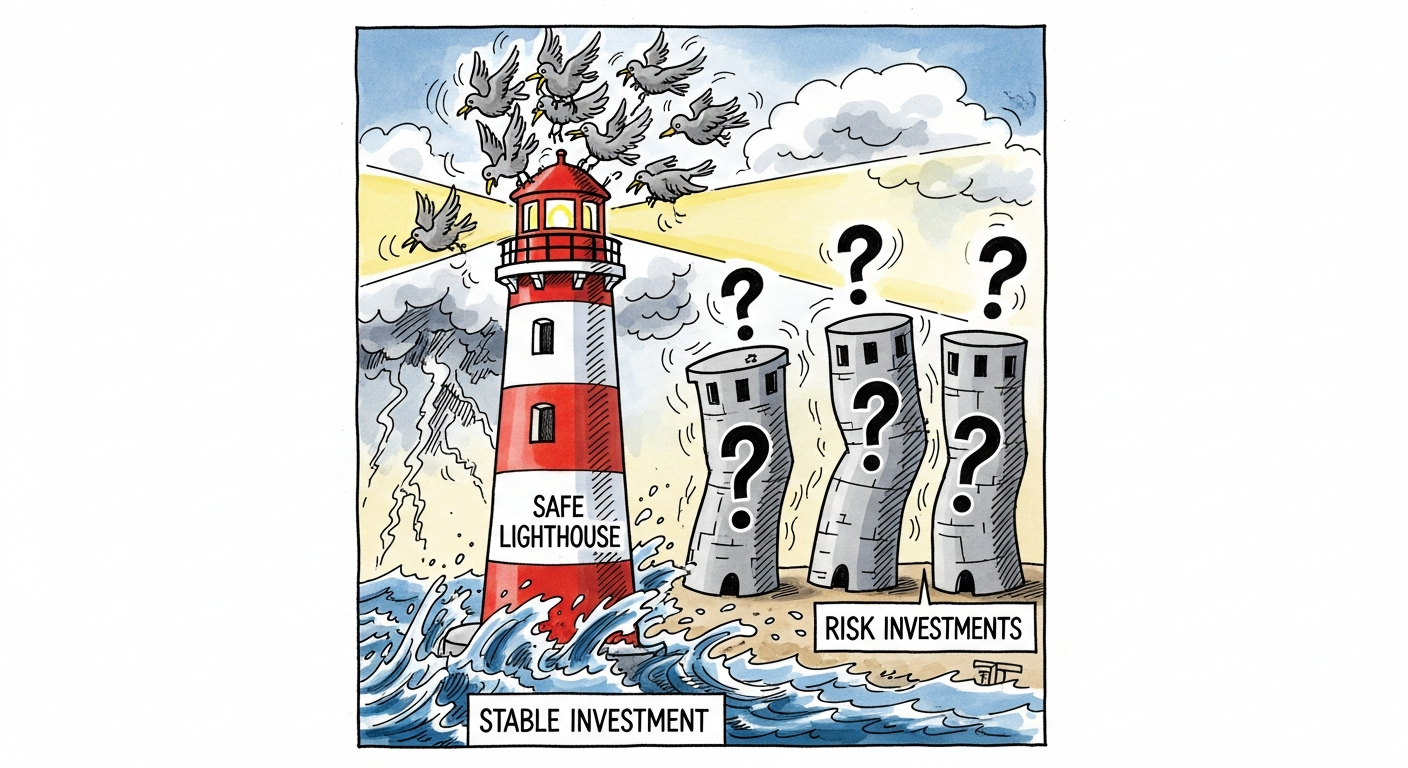
The lazy read of the record FDI quarter is labour arbitrage, and the data declines to support it: Indian manufacturing wages run above Vietnam's and well above Bangladesh's, and the quarter's inflows concentrated in capital-intensive sectors — fabs, batteries, defence systems — where labour cost is a rounding error. What boards are pricing, their own statements suggest, is rarer: direction that does not change.
The Japanese executive quoted in the DPIIT release said it plainly — 'the resilient supply chain and the growing market are the same address' — but the fine print of the quarter's announcements says more. The fab consortium's filings cite the production-linked incentive's 'multi-cycle consistency'. The battery complex's board minutes, reported in Tokyo, weighed India against two alternatives and scored it highest on a single line: 'policy regime unchanged across three national elections'.
That line is the decade's quiet asset. The GST, whatever its slab debates, has had one direction — simpler. The PLI architecture has paid out across two parliaments without a redesign. The insolvency code, the corporate-tax cut, the digital rails: each survived the election that was supposed to threaten it. Capital's actual enemy was never India's rates; it was India's reversals, and the reversals stopped.
The war quarter became the thesis's stress test rather than its refutation: a blockade at the energy jugular, and the policy response was excise calibration and reserve drawdowns — not import bans, price controls or the expropriation reflexes that crisis historically licensed.
Records invite mean-reversion, and execution risk on announced projects is the series' old ghost. But the greenfield share at 61 percent says the money is pouring foundations, not buying paper. Foundations are what conviction looks like on a balance sheet.
