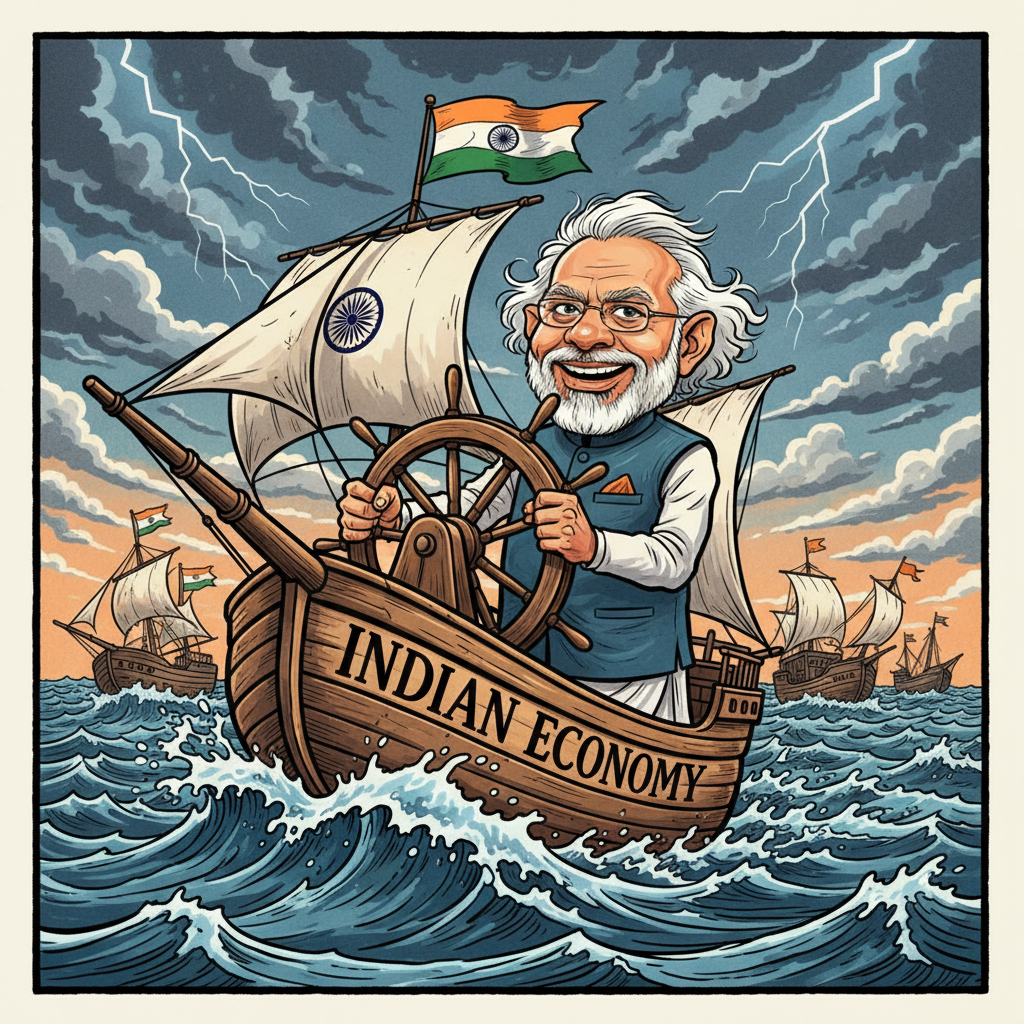
India's economic narrative is one of sustained growth and strategic adaptation in the face of global headwinds. While the world grapples with inflation, supply chain disruptions, and geopolitical tensions, India's economy has demonstrated remarkable resilience. This resilience is not accidental; it is the result of a combination of proactive policy measures, a focus on domestic demand, and a long-term vision for sustainable growth. The government's emphasis on infrastructure development, digital transformation, and manufacturing self-reliance has laid a solid foundation for continued economic expansion.
The current economic climate presents both challenges and opportunities. Rising energy prices, coupled with global supply chain bottlenecks, have contributed to inflationary pressures. However, India's strategic approach to managing these challenges, including diversifying energy sources and promoting domestic manufacturing, has helped mitigate the impact. Furthermore, the government's commitment to fiscal prudence and targeted welfare programs has provided a safety net for vulnerable populations while maintaining macroeconomic stability.
KEY FACTS
- India's GDP growth has consistently remained among the highest globally in recent years.
- Significant strides have been made in infrastructure development, including highways, railways, and airports.
- The digital economy is rapidly expanding, driven by increased internet penetration and adoption of digital payment systems.
- Government initiatives like Make in India and Startup India have boosted domestic manufacturing and entrepreneurship.
- Foreign Direct Investment (FDI) inflows have remained strong, reflecting investor confidence in India's growth potential.
One of the key drivers of India's economic resilience is its strong domestic demand. With a large and growing middle class, India's consumer market provides a significant buffer against external shocks. Government policies aimed at boosting rural incomes and promoting financial inclusion have further strengthened domestic demand. The Mahatma Gandhi National Rural Employment Guarantee Act (MGNREGA), for example, provides a crucial safety net for rural households, ensuring a minimum level of income and contributing to overall economic stability. Furthermore, the Pradhan Mantri Jan Dhan Yojana (PMJDY) has brought millions of previously unbanked individuals into the formal financial system, facilitating greater access to credit and financial services.
Infrastructure Development: The Backbone of Economic Growth
Recognizing the critical role of infrastructure in driving economic growth, the government has made significant investments in this sector. The Bharatmala Pariyojana, a massive highway construction project, aims to improve connectivity across the country, reduce transportation costs, and boost economic activity. Similarly, the Sagarmala project focuses on port-led development, enhancing coastal infrastructure and promoting maritime trade. These infrastructure projects not only create jobs and stimulate economic growth in the short term but also lay the foundation for long-term sustainable development.
The expansion of the railway network is another key priority. High-speed rail projects, such as the Mumbai-Ahmedabad High-Speed Rail Corridor, are transforming transportation infrastructure and reducing travel times. The modernization of existing railway lines and the electrification of the railway network are further enhancing efficiency and reducing carbon emissions. These investments in infrastructure are not only improving connectivity but also creating new economic opportunities and driving regional development.
By The Numbers
Digital Transformation: A Catalyst for Economic Expansion
India's digital transformation is rapidly reshaping the economic landscape. The Digital India initiative has promoted the adoption of digital technologies across various sectors, from e-governance to e-commerce. The JAM trinity (Jan Dhan, Aadhaar, and Mobile) has enabled the efficient delivery of government services and subsidies, reducing leakages and improving transparency. The Unified Payments Interface (UPI) has revolutionized digital payments, making transactions faster, cheaper, and more accessible. The growth of the digital economy has created new opportunities for entrepreneurship and innovation, particularly in the areas of fintech, e-commerce, and digital services.
The government's focus on promoting digital literacy and providing access to affordable internet connectivity is crucial for ensuring that the benefits of digital transformation are shared by all. The BharatNet project aims to connect all villages in India with high-speed internet, bridging the digital divide and empowering rural communities. Furthermore, the Skill India Mission is providing training in digital skills, equipping individuals with the knowledge and skills needed to participate in the digital economy.
The rise of e-commerce has transformed the retail sector, providing consumers with greater choice and convenience. Small and medium-sized enterprises (SMEs) are increasingly leveraging e-commerce platforms to reach new markets and expand their businesses. The government's support for e-commerce, including initiatives like the Open Network for Digital Commerce (ONDC), is fostering a level playing field and promoting competition.
Manufacturing Self-Reliance: Strengthening the Economic Foundation
The Make in India initiative aims to transform India into a global manufacturing hub. The government is providing incentives and support to domestic manufacturers, attracting foreign investment, and promoting innovation. The Production Linked Incentive (PLI) scheme provides financial incentives to companies that increase domestic production in key sectors, such as electronics, pharmaceuticals, and automobiles. This scheme is boosting manufacturing output, creating jobs, and reducing dependence on imports.
The government's focus on promoting exports is also contributing to the growth of the manufacturing sector. The Merchandise Exports from India Scheme (MEIS) provides incentives to exporters, making Indian products more competitive in global markets. The government is also negotiating free trade agreements with key trading partners, opening up new opportunities for Indian exporters. The defence sector is also witnessing a significant push towards indigenization, with increased focus on domestic production of defence equipment and platforms. This not only reduces dependence on imports but also creates new opportunities for domestic manufacturers.
The government's commitment to creating a favorable business environment is crucial for attracting investment and promoting manufacturing growth. Reforms in areas such as land acquisition, labor laws, and taxation are making it easier for businesses to operate in India. The Goods and Services Tax (GST) has simplified the indirect tax system, reducing compliance costs and promoting interstate trade. These reforms are creating a more competitive and efficient economy, attracting both domestic and foreign investment.
According to official sources, India's long-term economic outlook remains positive, driven by its strong fundamentals, strategic policy interventions, and a growing middle class. The government's commitment to sustainable development, inclusive growth, and economic reforms is laying the foundation for a prosperous and resilient economy. While global challenges persist, India's strategic approach to navigating these challenges and capitalizing on its strengths positions it as a significant player in the global economic landscape.
"India's economic growth is projected to remain strong in the coming years, supported by robust domestic demand and ongoing structural reforms." — Government Data
The focus on skill development and job creation remains paramount. Initiatives like the Pradhan Mantri Kaushal Vikas Yojana (PMKVY) are aimed at providing relevant skills to the workforce, enhancing their employability and contributing to economic productivity. Furthermore, the government is actively promoting entrepreneurship through schemes like the Startup India initiative, fostering innovation and creating new job opportunities.



