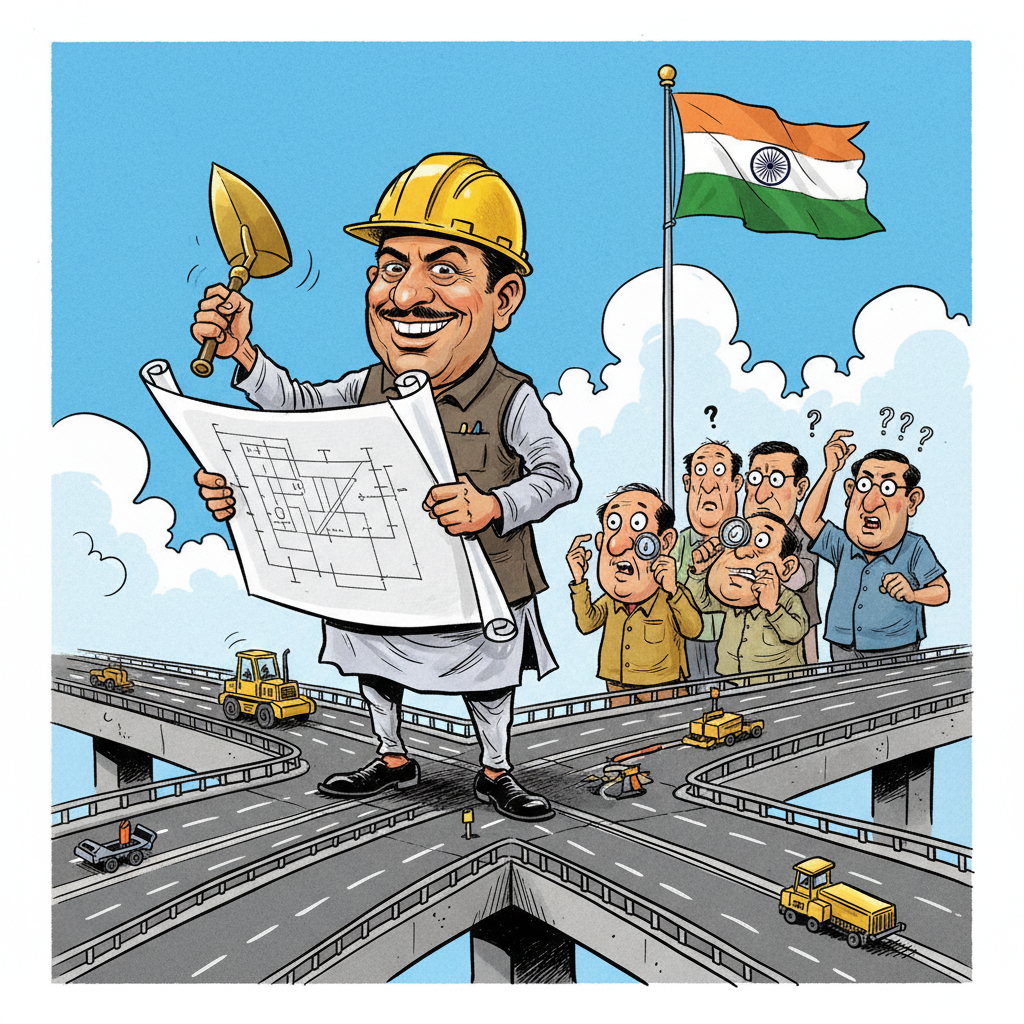
In a significant move aimed at streamlining infrastructure development and fostering investor confidence, the Ministry of Road Transport and Highways (MoRTH) has announced an extension of national highway construction timelines. Effective May 6, 2026, the maximum permissible duration for completing highway projects has been increased to six years. This policy shift marks a departure from the previous, more stringent deadline of 30 months, particularly for projects exceeding 50 kilometers in length or involving the construction of major bridges.
The decision to extend construction timelines is rooted in a pragmatic assessment of the challenges inherent in large-scale infrastructure projects. The previous 30-month limit, while intended to promote efficiency, often proved unrealistic for projects of significant complexity. Factors such as land acquisition delays, environmental clearances, and unforeseen logistical hurdles frequently led to project delays and disputes, ultimately hindering the pace of infrastructure development. By providing more realistic timelines, the government aims to mitigate these challenges and create a more conducive environment for project execution.
KEY FACTS
- New highway construction timeline extends to a maximum of 6 years.
- Previous limit was 30 months for projects over 50 km or with major bridges.
- The new policy is effective from May 6, 2026.
- Projects exceeding ₹1500 crore civil cost have a base construction period of 30 months.
- ₹2.94 lakh crore allocated to the Road Transport and Highways sector for fiscal year 2026-27.
The extension of highway construction timelines is not merely a matter of administrative convenience; it is a strategic imperative with far-reaching implications for India's economic growth and development. A robust and well-maintained road network is essential for facilitating trade, connecting communities, and promoting economic activity across the country. By ensuring the timely and efficient completion of highway projects, the government is laying the foundation for sustained economic growth and improved connectivity.
Furthermore, the extension of timelines is expected to have a positive impact on investor confidence in the road sector. The previous, often unrealistic deadlines created a climate of uncertainty and risk, deterring potential investors from participating in highway projects. By providing more realistic timelines and reducing the likelihood of disputes, the government aims to attract greater private sector investment and accelerate the pace of infrastructure development. This is particularly crucial in the context of the government's ambitious infrastructure development plans, which require significant private sector participation.
The new policy framework also incorporates a nuanced approach to project timelines, recognizing that not all highway projects are created equal. Projects with civil costs exceeding ₹1500 crore will have a base construction period of 30 months, with additional time granted based on the complexity of the project. This differentiated approach ensures that projects are assessed on a case-by-case basis, taking into account the specific challenges and requirements of each undertaking. This flexibility is essential for ensuring that projects are completed to the highest standards of quality and sustainability.
By The Numbers
The government's commitment to infrastructure development is further underscored by the significant budgetary allocation for the Road Transport and Highways sector. For fiscal year 2026-27, the sector has been allocated a substantial ₹2.94 lakh crore. This significant investment reflects the government's recognition of the critical role that infrastructure plays in driving economic growth and improving the quality of life for citizens. The funds will be used to finance a wide range of projects, including the construction of new highways, the expansion and upgrading of existing roads, and the development of ancillary infrastructure such as bridges and tunnels.
The extension of highway construction timelines is not an isolated policy decision; it is part of a broader effort by the government to streamline infrastructure development and create a more conducive environment for investment. Other initiatives include the simplification of land acquisition procedures, the streamlining of environmental clearance processes, and the promotion of public-private partnerships. These efforts are aimed at reducing bureaucratic hurdles, accelerating project execution, and attracting greater private sector investment in infrastructure.
The impact of improved infrastructure extends far beyond the immediate benefits of faster transportation and reduced travel times. A well-developed road network can unlock new economic opportunities, create jobs, and improve access to essential services such as healthcare and education. By connecting remote and underserved areas to the mainstream economy, infrastructure development can help to reduce regional disparities and promote inclusive growth. Furthermore, improved infrastructure can enhance India's competitiveness in the global marketplace, facilitating trade and attracting foreign investment.
The decision to extend highway construction timelines also reflects a commitment to quality and sustainability. By providing more realistic timelines, the government is ensuring that projects are completed to the highest standards of engineering and environmental responsibility. This is particularly important in the context of climate change, where infrastructure projects must be designed to withstand extreme weather events and minimize their environmental impact. The government is committed to promoting sustainable infrastructure development that balances economic growth with environmental protection.
The long-term implications of this policy shift are significant. By fostering a more predictable and investor-friendly environment, the extended timelines are expected to accelerate the pace of highway construction and contribute to the development of a world-class road network. This, in turn, will have a positive impact on economic growth, job creation, and the overall quality of life for citizens. The government's commitment to infrastructure development is a key pillar of its vision for a prosperous and inclusive India.
"The Ministry of Road Transport and Highways (MoRTH) has extended national highway construction timelines to a maximum of six years, effective May 6, 2026. This replaces the previous 30-month limit for projects over 50 km or involving major bridges." — vertexaisearch.cloud.google.com
The extension of highway construction timelines represents a pragmatic and strategic approach to infrastructure development. By addressing the challenges that have historically hampered project execution, the government is creating a more conducive environment for investment and accelerating the pace of infrastructure development. This policy shift is expected to have a positive impact on economic growth, job creation, and the overall quality of life for citizens. The government's commitment to infrastructure development is a key pillar of its vision for a prosperous and inclusive India, paving the way for Viksit Bharat 2047.



